
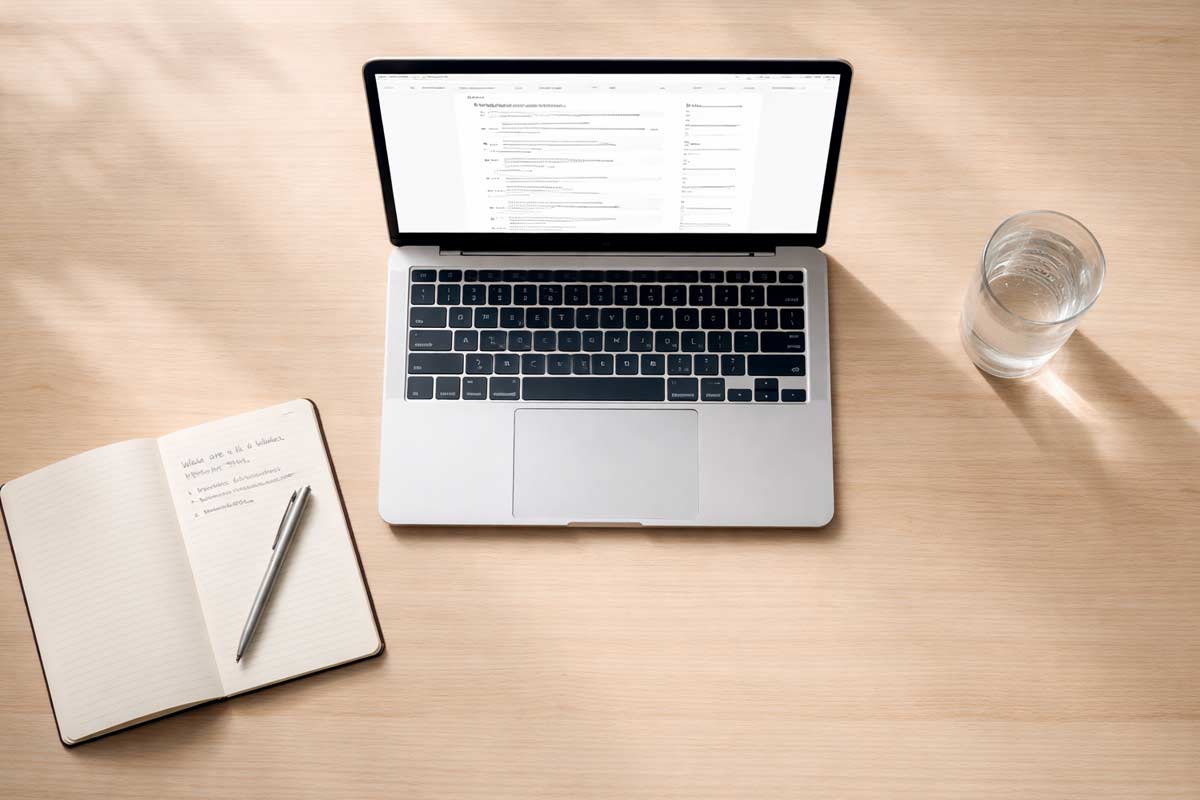
In twenty years of leading students at ADHI Schools, I have seen thousands of students start their licensing journey. At this point, I can tell pretty quickly whether a student will be licensed in four months or still "working on it" in twelve.
The difference isn't intelligence or background. It often comes down to their environment.
Folks often treat real estate school like a hobby—they fit it into the gaps of their life. First-time passers treat it like a closing. They don't rely on motivation; they rely on a Passive-to-Active (PTA) System. If you do not intentionally design your study setup, your environment will design your failure.
To pass the California state exam on your first attempt, you must move from Passive Consumption (watching videos) to Active Recall (retrieving information). My PTA System is the architecture that forces this transition.
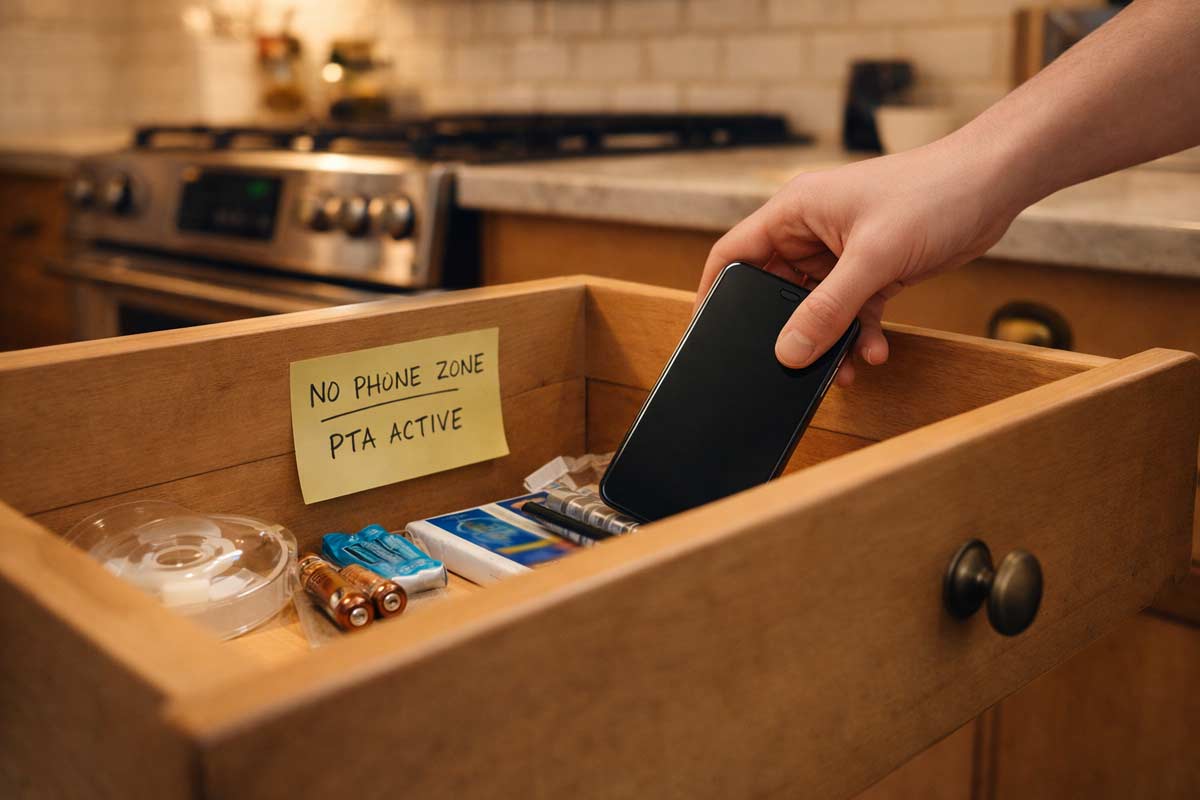
Your brain is a proximity‑based machine. If your phone is within reach, a portion of your cognitive load is dedicated to not checking it.
Most students fail because they use tools that encourage multitasking. A tablet with 15 open apps is not a study tool; it’s a distraction device.
The biggest mistake I see is “binge studying.” Students try to pull 8‑hour sessions on Sundays. They retain nothing.
This is where most students lose a year of their lives. They mistake familiarity for mastery.
I’ve seen students who claim to have “read” the textbook but can’t pass a 150‑question practice test. They fell into the trap of passive reading. They chose a setup that made it easy to "watch" but hard to "do."
Do online real estate classes actually prepare you? Only if your setup forces you to answer questions. If your study routine doesn't involve being "wrong" at least 30% of the time during practice, you aren't learning—you’re just scrolling.
Kartik’s Reality Check: In two decades, I have never seen a student fail the state exam because they didn't "read enough." They fail because they didn't "retrieve enough." Your setup must be a retrieval machine.
If your current study habit looks like this, you are effectively choosing to fail:
You are at a crossroads that determines how long real estate school should take. You can either drift through the material and hope for the best, or you can build a PTA system that guarantees a result.
Consistency is the byproduct of a good environment. If you find yourself constantly losing steam, read our analysis on how to stay motivated during real estate school. Usually, it’s not a lack of "willpower"—it’s a broken setup.
When you compare the Best Real Estate Schools in California, look for the one that doesn't just give you a login, but gives you a framework for success. Check the student reviews of online real estate schools and you’ll see that the ones who pass are the ones who treated the process with the professional rigor it deserves.
Q: Is it okay to study at a coffee shop?
A: Only if you have noise‑canceling headphones and can handle the "Portable PTA Kit." If people‑watching is more interesting than the Law of Agency, stay home.
Q: Should I use digital flashcards?
A: Yes, but only if you create them yourself. The act of writing the question is 50% of the learning.
Q: What if I miss a week of my routine?
A: Do not try to "catch up" by doubling your hours. You’ll just burn out. Return to the 20/2/1 plan immediately. The system is designed to absorb life’s interruptions.
Q: How do I know if my setup is working?
A: By your practice test scores. If your scores aren't rising, your environment is likely too passive.
Q: Does the PTA system work for everyone?
A: It works for everyone who actually implements it. It is the converged "best practice" of 20 years of successful California brokers.
If you don’t design your setup, your environment will design your outcome. A professional career starts with a professional study habit. Build your PTA Command Center today, put your phone in another room, and start your first 20‑minute sprint.
Your future as a California agent depends on the systems you build today.
Founder, Adhi Schools
Kartik Subramaniam is the Founder and CEO of ADHI Real Estate Schools, a leader in real estate education throughout California. Holding a degree from Cal Poly University, Subramaniam brings a wealth of experience in real estate sales, property management, and investment transactions. He is the author of nine books on real estate and countless real estate articles. With a track record of successfully completing hundreds of real estate transactions, he has equipped countless professionals to thrive in the industry.

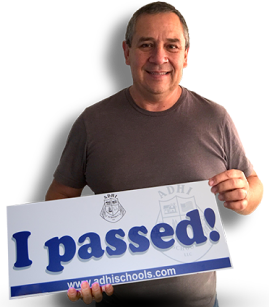
"Hey guys,
I took the exam today and passed!!!!
It only took me one try which was one of my goals. I took the online
classes and follow your suggestions so I took the crash course,
used the crash course app a lot, took 7 mock tests and went
confident to present the exam. Thank you for the great job you are
doing, you guys are awesome!!!! May God continue to bless you!"
Willie V.