
For many applicants, the most stressful part of getting a license isn’t the real estate license courses or the real estate exam—it’s the California real estate license background check.
The Department of Real Estate (DRE) runs a fingerprint-based check on applicants as part of the licensing process. While many people with past infractions navigate this step successfully, others face delays or denials—often not because of the crime itself, but because of how they handled the application.
Disclaimer: I am a real estate educator, not an attorney. This article is for informational purposes only. If you have a complex criminal history, consider consulting a lawyer specializing in administrative law.
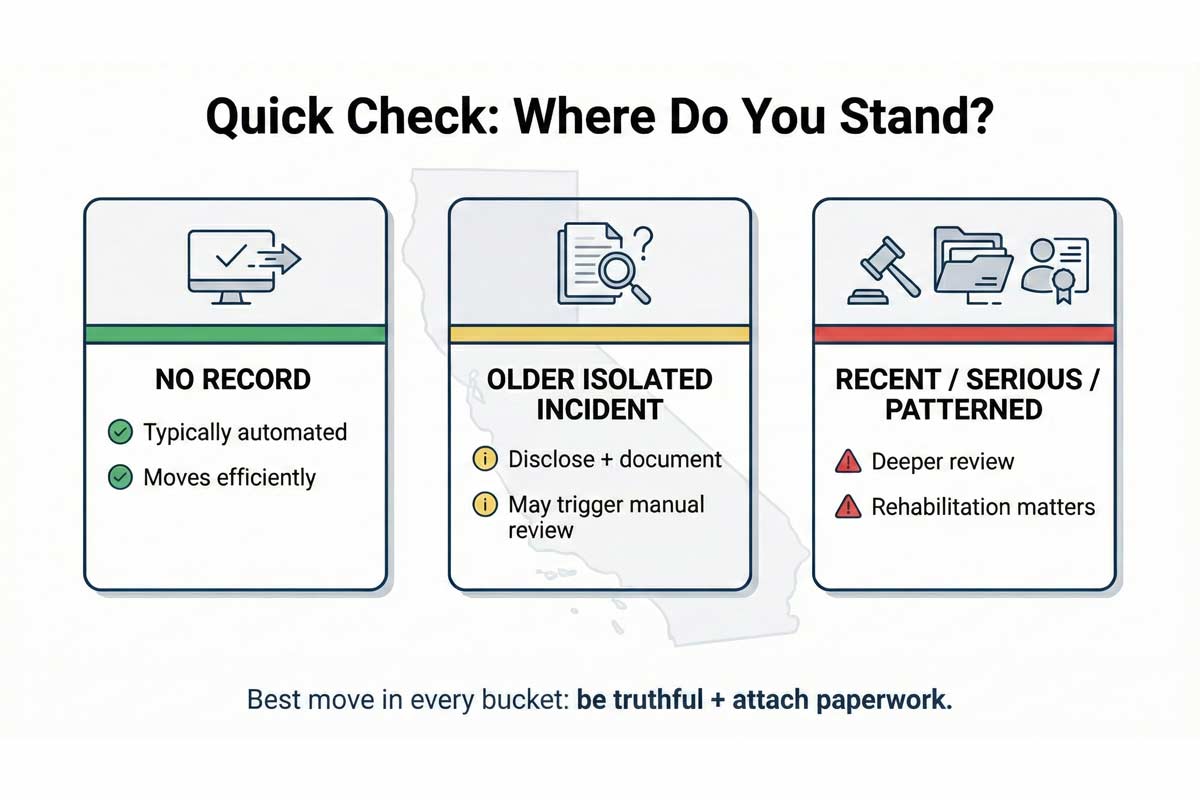
Before diving into the details, identify which "bucket" you likely fall into. This helps set your expectations.
The DRE uses a "Live Scan" service request. This digital fingerprinting process checks your prints against California Department of Justice (DOJ) and FBI databases.
It can surface criminal history information; what appears depends on record reporting and the specific questions being asked. The Live Scan system simply reports data—it does not make the decision. The DRE's Licensing Section reviews the results to determine if you meet the requirements for licensure.
If you are trying to time your application, understanding the logistics matters. You can learn more about the timeline here: How Long Does the CA Real Estate Fingerprinting Process Take?
The DRE evaluates whether a crime or act has a "Substantial Relationship" to the duties of a real estate licensee.
Because agents handle client funds, enter private homes, and negotiate binding contracts, conduct in these areas tends to draw more scrutiny because it relates to trust, money, and consumer protection:
The DRE considers contextual factors to build a risk profile:
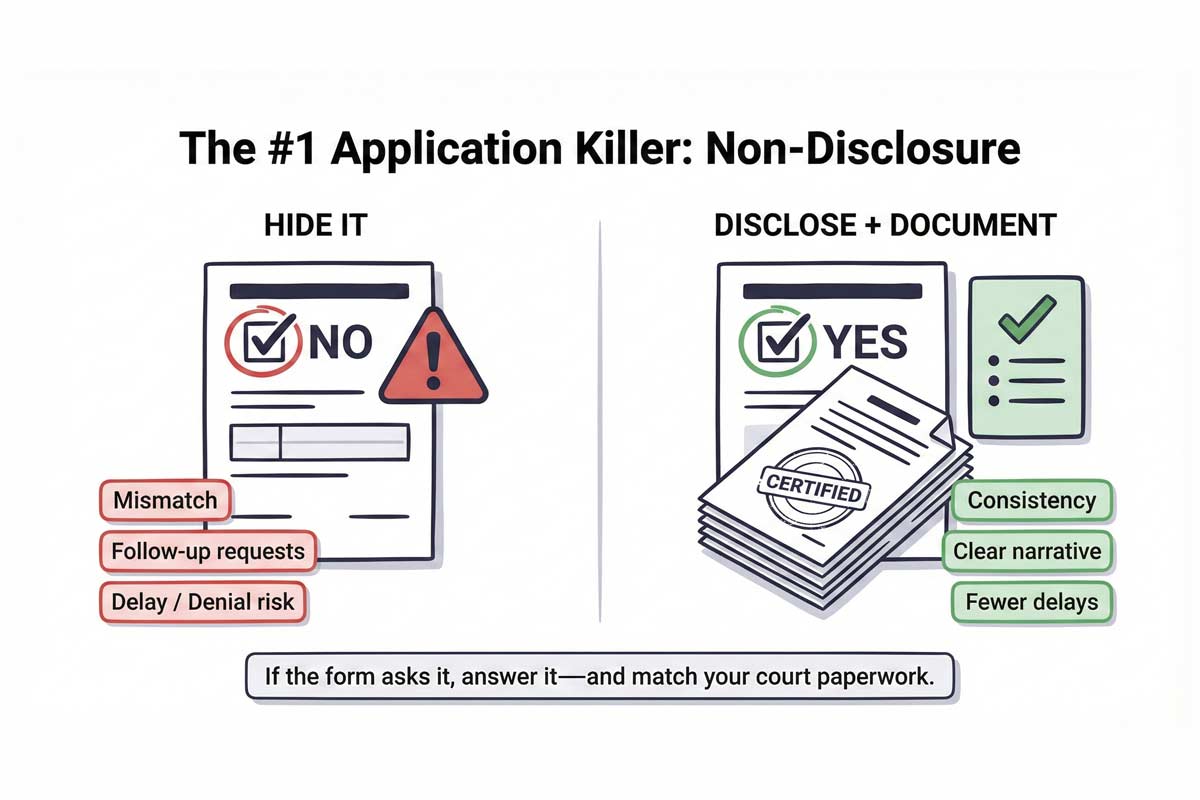
The fastest way to complicate your application is to hide your history. If the form asks a question, answer that question—don’t answer the version you wish it asked.
If you check "NO" on a criminal history question when the correct answer is "YES," the DRE may view it as a new act of dishonesty. This can be grounds for denial even if the original offense was minor.
Crucial Warning: Consistency Matters
Your written explanation must match the official court paperwork. If you say an incident happened in 2015 but the court docket says 2017, or you list a different charge than what is on the record, it triggers follow-up questions. Double-check your dates and charges against the actual documents before writing your statement.
Don’t wait until you are filling out the form to start digging.
Keep your explanation factual, accountable, and brief. Attach this to your application if required.
Note: Attach your court paperwork to back this up. Don’t rely on memory.
If the background check triggers a review, the process typically follows these steps:
Your goal is to show stability and honesty.
Real-World Scenario:
I recall a student with a theft conviction from her early 20s who disclosed it fully, attached court records, and provided a character letter from her employer. Submitting documentation upfront can reduce follow-up requests compared to leaving the reviewer guessing.
Will a misdemeanor stop me from getting licensed?
Not necessarily. The DRE looks at the nature of the crime (Does it relate to real estate duties?) and how much time has passed. A misdemeanor involving dishonesty is viewed differently than one that does not.
What if it was a long time ago?
Time is often a mitigating factor. A clean record for a significant period helps demonstrate rehabilitation and reduces the "risk profile."
Do arrests matter or only convictions?
Answer exactly what the DRE application asks. If the question asks for convictions, disclose them. Pending matters (arrests awaiting trial) may delay review until resolved.
Does expungement mean I don't have to disclose?
Some licensing processes still require disclosure even after dismissal/expungement—follow the instructions on the specific DRE form.
What if I forgot to list something?
If you realize you made an error after submitting, contact the DRE immediately to amend your application. Self-correcting is always better than letting them discover the omission on their own.
A background check is a standard part of protecting the public. If you own your past, provide the right documentation, and focus on your current qualifications, you improve your odds of a smooth process
Ready to map out the rest of your journey? Check out our complete Check out our complete California Real Estate License Guide.

Founder, Adhi Schools
Kartik Subramaniam is the Founder and CEO of ADHI Real Estate Schools, a leader in real estate education throughout California. Holding a degree from Cal Poly University, Subramaniam brings a wealth of experience in real estate sales, property management, and investment transactions. He is the author of nine books on real estate and countless real estate articles. With a track record of successfully completing hundreds of real estate transactions, he has equipped countless professionals to thrive in the industry.

"Hey guys,
I took the exam today and passed!!!!
It only took me one try which was one of my goals. I took the online
classes and follow your suggestions so I took the crash course,
used the crash course app a lot, took 7 mock tests and went
confident to present the exam. Thank you for the great job you are
doing, you guys are awesome!!!! May God continue to bless you!"
Willie V.