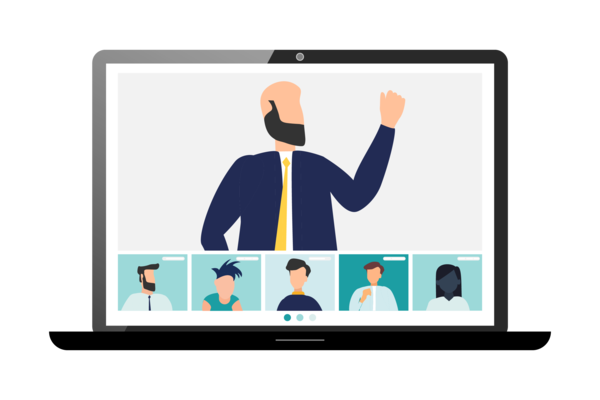

You’ve seen the ads. You’ve read the promises of "get your license in weeks." But as you sit in front of your laptop, a nagging question remains: “Will online real estate classes actually prepare me—or am I just buying a stack of PDFs and some videos?”
It’s a valid fear.
The California Department of Real Estate (DRE) exam is notorious for its difficulty—with pass rates often hovering around 50%—and the real-world business of selling homes is even tougher.
I’ve spent over 20 years helping students navigate the California licensing process. I can tell you this:
Online classes can absolutely prepare you for success, but only if the program provides the right structure and you—the student—bring the right system.
To answer if online real estate courses work, we have to define what you are preparing for. In my experience, there are two distinct lanes of readiness:
This is about academic knowledge. You need to understand agency, disclosure, property ownership, and financing. You must be able to navigate the California-specific phrasing, disclosure logic, and legal nuance (like the 2026 updates to AI-image disclosures) that the DRE exam is known for.
This is the "Monday Morning" reality. Can you explain a purchase agreement? Do you know how to handle a difficult client? Many programs don’t fully cover this lane because pre-licensing is built around theory and legal foundations first—so you need a plan to bridge into application.
Online learning isn't just a "budget" version of a classroom; it has specific advantages that can lead to better retention if used correctly.
What this means for you: If you are a working adult, an online real estate school in California offers the only realistic way to fit 135 hours of education into a busy life.
Without a physical instructor staring at you, it’s easy to fall into certain traps. If you don't account for these, you'll reach the end of the course and realize you've learned very little.
Real Scenario: I've seen students who get stuck on one concept (like agency relationships or trust fund handling), keep moving forward anyway, and that gap can snowball.
Online can absolutely work—but not all online programs are built the same. Here are the features that actually move students from “completed the hours” to “ready for the CA exam and real clients”:
What this means for you: You’re not looking for “more videos.” You’re looking for a program that builds correct thinking under pressure.
Before you schedule that state exam, use this "scorecard" to evaluate your readiness.
Real Scenario: A student finishes the 135 hours quickly, feels confident, then scores 62–68% on timed practice exams because they never trained recall under pressure. The fix isn’t “more studying”—it’s structured timed sets + error log review.
If you’re wondering how your timeline should look based on these readiness markers, read How Long Should Students Expect Real Estate School to Take?
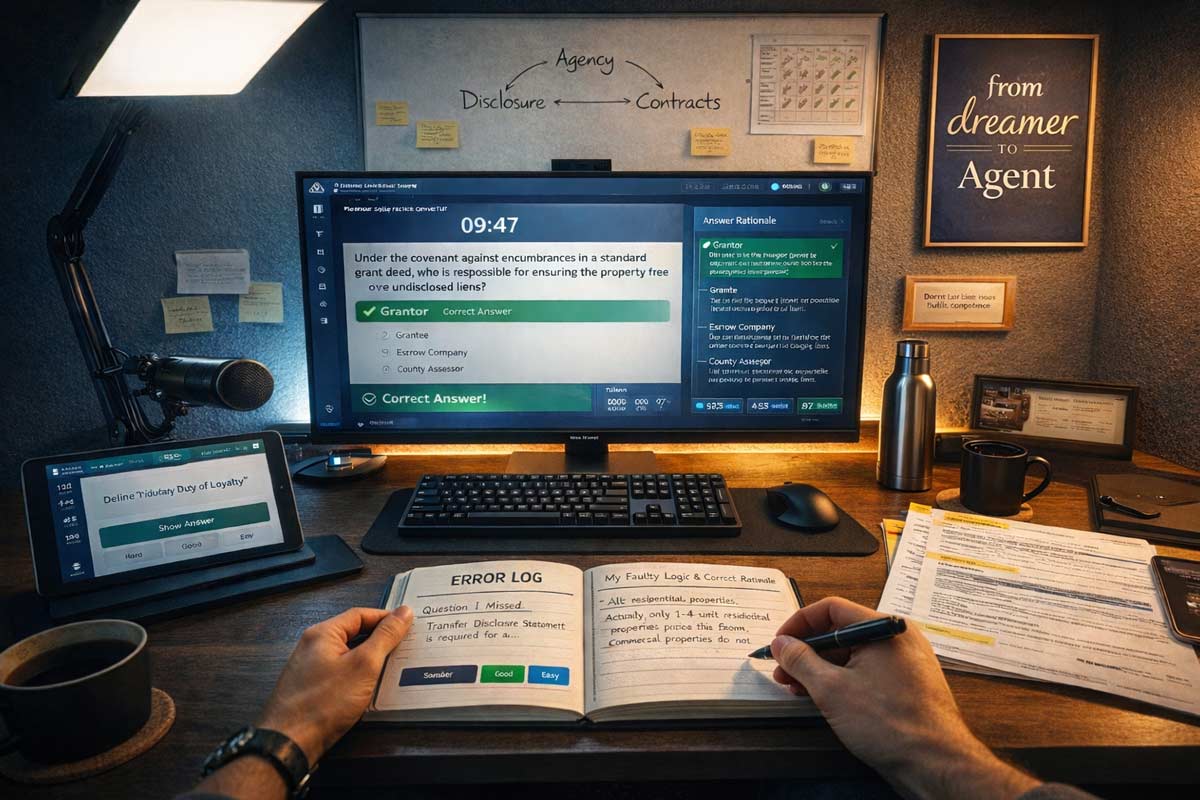
To make online classes work, you need more than just a login. You need a routine.
Passing the exam makes you a "Licensee," but it doesn't make you competent. To bridge that gap while you are still in school, try these Kartik-approved tactics:
Real Scenario: I once met a student who passed the exam with flying colors but told me they froze when a potential client asked about a basic disclosure form. They had the academic knowledge but never practiced the "bridge" to real-world conversation.
Are online real estate courses legit in California?
Yes, as long as the provider is approved by the California Department of Real Estate (DRE). Always check the DRE website for a provider's sponsor number before enrolling.
Can I pass the CA real estate exam on the first try with just online classes?
Yes, but you usually need supplemental practice exams and a crash course. The "pre-license" hours teach you the law, but "crash course" style practice exams teach you how to pass the test.
What happens if I fail the online course final?
Most reputable schools allow you to retake the final exam after a short waiting period (mandated by the DRE). It’s a sign you need to go back and review your error log.
Do online real estate classes prepare you for being an agent?
Online classes prepare you for the exam. Becoming an effective agent requires additional application, role-play, and real-world exposure—which is why bridging theory to practice is critical during school.
Is an online course better than an in-person one?
It depends on your learning style. Online is better for flexibility and repetition; in-person is better for networking and immediate Q&A. Many students find a "hybrid" approach is the most effective.
Online classes can prepare you for a legendary career in California real estate, but they are just one tool in your belt. Success comes down to the quality of the curriculum and the rigor of your study habits.
If you’re still weighing your options and want to see how different programs stack up against these standards, explore our comprehensive guide on the best real estate schools in California to find the right fit for your learning style.

Founder, Adhi Schools
Kartik Subramaniam is the Founder and CEO of ADHI Real Estate Schools, a leader in real estate education throughout California. Holding a degree from Cal Poly University, Subramaniam brings a wealth of experience in real estate sales, property management, and investment transactions. He is the author of nine books on real estate and countless real estate articles. With a track record of successfully completing hundreds of real estate transactions, he has equipped countless professionals to thrive in the industry.

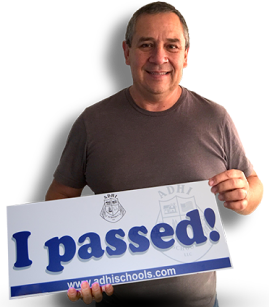
"Hey guys,
I took the exam today and passed!!!!
It only took me one try which was one of my goals. I took the online
classes and follow your suggestions so I took the crash course,
used the crash course app a lot, took 7 mock tests and went
confident to present the exam. Thank you for the great job you are
doing, you guys are awesome!!!! May God continue to bless you!"
Willie V.