

A "Red Flag" is a symptom of a systemic failure. If a brokerage checks a bunch of these boxes—or any single box in Category 2 (Support & Compliance)—think long and hard about signing with them.
“Your biggest risk isn’t a low split; it’s a high split with no support—leaving you with 100% of zero.”
While passing the California real estate exam is a monumental achievement, another important phase of your career begins the day you select a broker. In advising thousands of new licensees, I have watched many talented agents struggle early on because they chose a brokerage that provided zero operational protection.
A red flag is any trait suggesting a brokerage prioritizes its own growth metrics over your professional development and legal safety. Conversely, a Green Flag system is one with transparent math, documented support standards, and a rigorous compliance framework.
Choosing a brokerage is not a branding exercise; it is choosing a Risk Management System for your license. In California, where disclosure requirements are complex, your broker’s supervision is your primary line of defense.

Use these tables to guide How You Interview Brokerages in California. Demand the "Proof Artifact" for every category.
| # | The Red Flag | The Recruiter Pitch | The Real Risk | Exact Verification Question | Proof Artifact |
|---|---|---|---|---|---|
| 1 | "Off-the-top" Fees | "It's a 90/10 split." | Brand royalties can drop your actual take-home significantly. | "Is my split calculated on Gross Commission or Net after brand fees?" | Written Fee Schedule |
| 2 | Hidden E&O Costs | "Insurance is included." | You may be liable for a significant out-of-pocket deductible per claim. | "What is my out-of-pocket deductible if a claim is filed against me?" | E&O Policy Dec Page |
| 3 | Mandatory Junk Fees | "Low monthly overhead." | Monthly desk/tech fees erode your capital while you are still ramping up. | "What is the total monthly cost to hang my license if I close zero deals?" | ICA (Fee Section) |
| 4 | Exit Fee Clawbacks | "Joining is free!" | You may owe "training reimbursements" if you move your license. | "Are there any financial penalties or fee clawbacks if I leave?" | ICA (Termination) |
| 5 | No Cap Clarity | "You keep 100% later." | "Caps" may only apply to the broker split, not the brand royalty. | "Does the annual cap include or exclude franchise/royalty fees?" | Commission Policy |
| 6 | Admin/Client Fees | "Standard processing." | Hidden fees charged to your clients can damage your reputation. | "Does the brokerage charge my clients any 'administrative' or 'compliance' fees?" | Written Admin Fee Policy |
| # | The Red Flag | The Recruiter Pitch | The Real Risk | Exact Verification Question | Proof Artifact |
|---|---|---|---|---|---|
| 7 | The "Ghost" Broker | "I'm always available." | If the broker is unreachable on weekends, you have no legal supervision. | "Who is the designated backup if the Responsible Broker is unreachable?" | Weekend Duty List |
| 8 | Delayed File Audit | "We review for closing." | Late audits can lead to serious legal exposure after the deal closes. | "When is the first compliance review performed on a new escrow?" | File Review SOP |
| 9 | Unsupervised AVIDs | "Just get it signed." | Failure to properly inspect (AVID) creates massive liability for new agents. | "Who specifically reviews my Agent Visual Inspection Disclosures?" | Compliance Checklist |
| 10 | No Support SLA | "Open-door policy." | You lose a deal because a contract emergency goes unanswered. | "What is the written policy for emergency response times on weekends?" | Escalation Procedure |
| 11 | No Legal Hotline | "Ask the manager." | Managers may give non-legal advice; you need expert guidance. | "Do agents have direct access to a legal hotline or staff attorney?" | Policy Manual |
| 12 | Part-Time Broker | "I still sell too." | A broker in personal production may prioritize their deals over your safety. | "Who on staff is responsible for performing daily compliance reviews?" | Review Staffing List |
| # | The Red Flag | The Recruiter Pitch | The Real Risk | Exact Verification Question | Proof Artifact |
|---|---|---|---|---|---|
| 13 | Unstructured Mentors | "Paired with a pro." | A producer may lack the protected time to review your first counter-offer. | "Is the mentor's time specifically compensated for teaching?" | Mentorship Syllabus |
| 14 | Video-Only Training | "1,000+ videos." | Passive watching does not build the skill of handling tough objections. | "What time is the weekly live roleplay or script practice session?" | Training Calendar |
| 15 | Recruiting Focus | "Growth incentives." | The office may prioritize agent attraction over production support staff. | "Can I see the names of the staff responsible for contract audit?" | Staff Roles List |
| 16 | No RPA Training | "You'll learn on the job." | You cannot explain the Purchase Agreement to a skeptical client. | "When is the next live class specifically covering the RPA?" | Training Syllabus |
| 17 | "Ramping" Leads | "We provide leads." | Leads are often old or recycled, wasting your prospecting time. | "How are leads distributed, and can I see the age of current lead inventory?" | CRM Lead Routing Rules |
| 18 | High Turnover | "We're growing fast!" | High churn indicates a lack of retention through support and value. | "Can I speak with two agents who have been in this office for 3+ years?" | Direct Agent References |
While commission structures vary significantly across California, the underlying math remains constant. You should calculate your Effective Split.
Scenario: Your First $1M Deal ($25k GCI)
Illustrative scenario assuming you close after 6 months of ramp-up overhead and an example (assumed) 6% franchise royalty rate.
| Item | 90/10 Model (High Fee) | 70/30 Model (All-In) |
|---|---|---|
| Gross Commission | $25,000 | $25,000 |
| Broker Split | ($2,500) | ($7,500) |
| Example (Assumed) Royalty (6%) | ($1,500) | $0 |
| Monthly Fees (6 months) | ($1,500) | $0 |
| NET TO AGENT | $19,500 | $17,500 |
The Lesson: The 90/10 model netted more here, but if the 70/30 model provided a mentor who helped you close that deal one month faster, you would have gained production momentum that outweighs the split difference. Speed + Supervision often beats raw split.
In California, contract deadlines are unforgiving. If you have a question about a counter-offer or a contingency removal at 4:30 PM on a Friday and your broker is unavailable, you risk a breach of contract for your client.
If the broker is a solo practitioner with high personal production and no backup, verify the actual written support system. Don't assume access just because they were friendly during the interview.
California disclosure requirements (TDS, SPQ, AVID) are legally dense. A Green Flag brokerage uses a Safety Net approach:
Recruiters sell "The Dream"; brokers sell "The System." To verify the training is real, you should treat the interview like a diagnostic exam. Demand these items:
Before deciding Should You Join a Team or Go Solo, analyze the lead-gen model:
Score each 1-5 (1 = Poor, 5 = Excellent). If Compliance or Support SLA is below 4, this brokerage might be a "Pass."
| Criteria | Score |
|---|---|
| Training Proof (Actual syllabus/calendar verified) | |
| Support SLA (Documented response < 1 hour for emergencies) | |
| Compliance Review (Audit within 24-48 hours of execution) | |
| Fee Transparency (Written Schedule of Fees provided) | |
| Mentorship Structure (Time specifically protected/compensated) | |
| Lead Model Clarity (Clear path to self-generated business) |
If you suspect you've made a mistake, take these steps:
Is a 100% commission brokerage good for new agents?
Usually no—unless it has documented supervision, training proof, and transparent fees. One disclosure error can create serious exposure that may cost more than any "saved" commission.
What is a "Franchise Fee"?
It is a royalty paid to a national brand. Always verify if it is calculated on the Gross commission and whether the cap applies to the royalty or only the broker split.
What is an E&O Deductible?
IErrors and Omissions insurance protects you, but many brokers have a deductible that can be several thousand dollars. You need to know if you are responsible for that out-of-pocket in the event of a claim.
Your first year in real estate is about survival and skill-building. The brokerage you choose should be your foundation, not your burden. By focusing on risk management and demanding proof, you ensure your career starts on solid ground.
Ready to build your career on a foundation of real education and support?

Founder, Adhi Schools
Kartik Subramaniam is the Founder and CEO of ADHI Real Estate Schools, a leader in real estate education throughout California. Holding a degree from Cal Poly University, Subramaniam brings a wealth of experience in real estate sales, property management, and investment transactions. He is the author of nine books on real estate and countless real estate articles. With a track record of successfully completing hundreds of real estate transactions, he has equipped countless professionals to thrive in the industry.

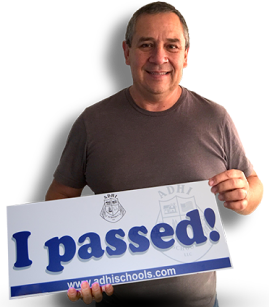
"Hey guys,
I took the exam today and passed!!!!
It only took me one try which was one of my goals. I took the online
classes and follow your suggestions so I took the crash course,
used the crash course app a lot, took 7 mock tests and went
confident to present the exam. Thank you for the great job you are
doing, you guys are awesome!!!! May God continue to bless you!"
Willie V.