Oh, the allure of the real estate world! It's like a giant magnet for folks with big dreams of ditching the 9-to-5, being their own boss, and really taking control of their money. And why not, right? The Read more...
Oh, the allure of the real estate world! It's like a giant magnet for folks with big dreams of ditching the 9-to-5, being their own boss, and really taking control of their money. And why not, right? The beauty of diving into real estate is that you are the captain of your own ship. Your business grows as much as you hustle, and who doesn't love the sound of that?
Here's a little inside scoop: there's this magic number that everyone pencils at the top of their dream board - a cool $100,000. Cracking six figures isn't just about brimming bank accounts (although that's a sweet perk). It's more like a golden ticket that gets your foot in the door and your name on the leaderboard. It's a confidence booster, a sign you're playing in the big leagues, and can give you the confidence to climb even higher. So, for anyone breaking into the biz, crossing off that $100K target isn't just a flashy ambition; it's the first major pit stop on a thrilling ride to the top!
This number also strikes a balance between ambition and attainability. New agents, while enthusiastic, are aware of the realities of starting in real estate: the unpredictability of the market, the initial period where commissions might be sparse, and the competitive nature of the industry. Setting a goal too high might lead to early burnout from chasing unattainable targets, while too low a goal might not provide enough motivation. $100,000 is an accepted “middle ground” that provides a realistic target while offering enough challenge for motivation without being discouragingly unattainable.
But this requires a game plan.
And let's be real: a goal without a plan is just a wish. Without a target, how will you measure how far you've come? Or know what’s hot and what’s not? You need it to backtrack, tweak your strategies, and keep yourself honest. It’s your own personal reality check, stopping you from floating off into space.
So once you've aced your real estate exam your education truly begins. Now, instead of theory, you're analyzing the local real estate market in the real world.
So, what does the blueprint for achieving this goal entail?
To start, understanding the average sales price of homes in your market is a fundamental data point, as it correlates to potential commissions.
Suppose the median sales price in your area is $850,000. This will be your guiding figure, keeping in mind that actual property prices will be around this point.
The standard commission for real estate transactions hovers between 2-3% of the property's selling price. Using the average sales price gleaned from your market research, a 2.5% commission on an $850,000 property equates to $21,250.
So to reach your $100,000 goal you will need to close escrow on around five properties. However, remember that some deals will inevitably fall through due to various factors outside of your control.
Working with your broker or manager, you might come to realize that in order to close five transactions, you might need to open escrow on eight to ultimately close the five deals required to meet your income target.
Keep in mind that brokerage commission splits are a reality that will affect your take-home pay. If your brokerage claims a 30% share of your commission, your net earnings from each deal decrease, demanding another adjustment in your sales strategy to meet income objectives.
Develop a business plan that accounts for your brokerage's commission structure, the average property price in your area, and the realities of deal attrition. Regularly assess your progress and adjust your strategies as you learn more about market dynamics. The first step in doing this is to devise a schedule you need to open the eight escrows needed to achieve your income goal.
Remember there are only two ways to make more money in real estate:
Increase your average sales price
Close more deals
Whichever of these you choose, there are three crucial skills that new agents should develop to hit this lucrative target.
Prospect/Market
Lead Follow Up
Make Presentations
Prospecting and Marketing
Prospecting, the active process of searching for potential customers or buyers, is crucial in real estate sales. This proactive approach involves identifying individuals or entities in the market to purchase, sell, or invest in property. It is often what sets successful real estate professionals apart from their peers. In an industry where opportunities and competition coexist intensely, prospecting acts as a lifeline, ensuring a consistent flow of business opportunities and helping professionals keep their pipeline of potential sales active. Without effective prospecting, a real estate agent's business becomes highly susceptible to the peaks and troughs of market conditions, impacting sustainability and growth.
Moreover, prospecting allows real estate agents to establish and maintain relationships with a network of potential clients, which is essential in an industry driven by trust and personal connections. Agents build a reputation and a sense of authority among potential and future clients through regular communication initiated by prospecting efforts, such as calls, meetings, or community engagements. This continuous cycle of outreach and relationship management often leads to referrals, repeat business, and a robust client base, fostering long-term success. Prospecting is not just about seeking immediate opportunities; it's about nurturing an ecosystem of future opportunities, creating a solid foundation for a resilient and thriving real estate business.
Lead Follow Up
Securing a lead is just the beginning; following up is where the real work lies. The real estate industry thrives on relationships and trust, aspects developed through consistent communication. New agents should establish a systematic approach to lead follow-up, ensuring potential clients stay caught up.
This strategy might include personalized emails, regular check-in calls, or informative newsletters. A CRM (Customer Relationship Management) system can be invaluable here, helping manage your contacts and set follow-up reminders. Responding promptly and thoughtfully to inquiries is crucial, showing potential clients your commitment and setting the stage for successful transactions.
Remember - the money is in the lead follow up
Improving Your Presentation Skills
An often under-emphasized real estate license education skill is the ability to present effectively. Whether you're pitching to a prospective client, showcasing a property, or negotiating deals, your presentation skills are constantly under the spotlight.
New agents should invest time in improving these skills — practicing property showings, role-playing negotiation scenarios, or even taking a public speaking course. A compelling presentation can sway decisions in your favor and is often the key to converting leads into sales. As you gain confidence, you'll also build a reputation for professionalism and competence, factors clients seriously consider when choosing an agent.
Earning $100,000 a year in real estate is not a feat achieved by sitting back and waiting for opportunities to knock. It results from proactive effort in prospecting, meticulousness in lead follow-up, and continual refinement of presentation skills. These activities and the foundational benefits of getting a real estate license create a pathway to reach and exceed your income goals.
Embrace these tasks with the understanding that real estate isn't just about selling properties; it's about forging relationships, providing top-notch service, and asserting your value in a competitive marketplace. Each satisfied client, successful deal, and learned lesson propels you closer to that six-figure milestone.
If you are interested in learning more about getting your real estate license, reach out at www.adhischools.com or call us at 888-768-5285.
Love,
Kartik
|

Top 5 Mistakes New Real Estate Agents Make After Getting Licensed (And How to Avoid Them)
Starting a career in real estate is exciting and has many opportunities. However, like any job, it has Read more...
Top 5 Mistakes New Real Estate Agents Make After Getting Licensed (And How to Avoid Them)
Starting a career in real estate is exciting and has many opportunities. However, like any job, it has its challenges. New agents might initially find it complicated, even after completing real estate school and getting their licenses. While getting a license is an important step, it's just the beginning. Challenges arise when handling property sales, building client relationships, and understanding market changes. I wanted to write an article to highlight common mistakes made by new agents and give advice on how to avoid them for a more rewarding real estate career.
Mistake 1: Not Building a Marketing Strategy
One of the most common pitfalls for newer real estate agents is the belief that clientele will magically gravitate toward them with little proactive outreach. This misconception can be detrimental to an agent's budding career. Today's real estate market is saturated, and standing out requires more than obtaining a license and setting up a desk in an office. Successful agents understand that a consistent and well-thought-out marketing strategy is at the heart of their business.
A robust marketing strategy is a combination of both online and offline efforts. In the digital age, online methods such as social media campaigns, targeted ads, email newsletters, and a professional website are indispensable. These tools increase an agent's visibility and help build credibility and trust among potential clients. On the other hand, offline methods like networking events, open houses, and local advertising play a vital role in community engagement and personal brand building. Together, these strategies form a comprehensive approach to reaching and attracting clients. For a new real estate agent, investing time and resources into a marketing strategy from the outset can make all the difference between a thriving career and one that never quite takes off.
Mistake 2: Neglecting Continuous Learning
Starting a real estate career usually begins with training, like what ADHI Schools offers. We prepare students for the licensing exam and give our students a basic understanding of the industry. But this initial knowledge is just the beginning. The real estate world constantly changes—new market trends, shifting property values, and updated regulations exist. So, while the foundation from schools like ADHI is important, agents shouldn't stop there.
To succeed, agents must keep learning. Regular training, workshops, and staying updated on the market are crucial. This continuous education helps agents stay ahead and better serve their clients. Simply put, the most successful agents know their learning never stops, even after formal schooling.
Mistake 3: Undervaluing Networking
The Power of Networking in the Real Estate Industry
For many newer real estate agents, passing the real estate exam marks a significant milestone in their budding careers. It's an achievement that opens the door to the vast world of property sales, acquisitions, and negotiations. However, a crucial aspect that can sometimes be overlooked in the initial stages is the immense value of networking.
While acing the real estate exam is a testament to one's foundational knowledge, the journey ahead requires more than just theoretical understanding; it demands connections, collaborations, and mentorships.
Failing to build a robust professional network can leave agents isolated in an industry where relationships often drive success. Engaging with local real estate groups, for instance, not only offers insights into regional market trends but also provides opportunities for collaborations and referrals. Likewise, attending industry events can introduce agents to seasoned professionals, potential clients, and even future mentors. These interactions often lead to partnerships, joint ventures, and other collaborative efforts that can bolster an agent's market presence and portfolio.
Furthermore, seeking mentorships can be a game-changer. A mentor can provide guidance, share experiences, and offer valuable advice on navigating the industry's complexities. They can be instrumental in avoiding common pitfalls and capitalizing on hidden opportunities.
So while passing the real estate exam is essential to establishing oneself in the industry,
the relationships built afterward often dictate the trajectory of success. Undervaluing networking can be a significant oversight, but with proactive effort, newer agents can weave a network that supports and propels their career forward.
Mistake 4: Not Setting Clear Goals and Milestones
In the bustling world of real estate, momentum and direction are paramount. One of the pitfalls that newer agents can sometimes fall into is navigating the industry without clear goals and milestones. Just as a ship without a compass can drift aimlessly, a real estate agent without set objectives may find themselves working hard but not necessarily smart. A lack of direction can significantly hamper growth, leading to missed opportunities and inefficient use of time and resources.
Setting both short-term and long-term goals is essential for charting a clear path forward. Short-term goals offer immediate targets, ensuring agents remain focused and motivated in their daily endeavors. These can range from acquiring a set number of new clients in a month to closing specific property deals. On the other hand, long-term goals provide a broader vision, guiding agents towards larger aspirations like becoming a top agent in their region or expanding into luxury or other high-end markets.
Other examples of short-term goals can be to tour several homes for sale in your target area each week to understand pricing and features. Another example might be to familiarize yourself with local market trends, neighborhood specifics, and school zones by a certain date.
Long-term goals as a real estate agent include achieving a specific income or commission amount by the end of 12 months or becoming one of the top agents in your office or area based on sales volume or closed deals. Other areas of long term growth might be to grow your team by hiring an assistant, a buyer's agent, or other supporting roles.
However, setting goals is only half the battle. Regular reviews are vital to assess progress and ensure alignment with these objectives. The real estate market is dynamic, and strategies that work today might need tweaking tomorrow. Agents can adjust their strategies by periodically evaluating their progress, ensuring they remain on the path to success.
In essence, while the real estate landscape offers vast opportunities, the agents with clear goals and the diligence to review and adapt find themselves at the forefront of success.
Mistake 5: Poor Time Management
The Pitfalls of Mismanaging Time in Real Estate
In the bustling world of real estate, time is of the essence. New agents are quickly introduced to a whirlwind of tasks, from back-to-back client meetings to endless property showings and the necessary (albeit boring) set of administrative duties. With effective time management, they can avoid drowning in these responsibilities, missing golden opportunities, and feeling unnecessary stress. Moreover, the work-life balance—vital for mental well-being and long-term productivity—crumbles when business tasks consume every waking moment.
The key to taming the time management beast is leveraging the right tools. Thankfully, today's technology offers many solutions tailored for real estate professionals. Whether it's an online calendar that nudges with timely reminders or a comprehensive CRM system that optimizes client interactions, there's a tool for every need. By incorporating these into their daily routines, agents can ensure they're not just busy, but productive. A structured schedule also earmarks moments for relaxation and personal time—because a burnt-out agent benefits no one.
The unpredictability of real estate demands discipline in time management. For new agents, knowing these challenges and being ready for them can lead to real success in the long run. Everyone makes mistakes, but being prepared and knowing how to handle common problems can help a lot. If new agents focus on good marketing, keep learning, build strong connections, set clear goals, and manage their time well, they can avoid many common mistakes.
Love,
Kartik
|

Scheduling for Real Estate Agents: A Must-Have for Success
Being self-employed in the real estate industry presents unique challenges, especially when maintaining a consistent schedule. This is true Read more...
Scheduling for Real Estate Agents: A Must-Have for Success
Being self-employed in the real estate industry presents unique challenges, especially when maintaining a consistent schedule. This is true for both newcomers fresh from our real estate license school as well as seasoned agents. A well-organized timetable is essential. It ensures efficient time management, helps prioritize tasks, and ultimately aids in achieving career goals. Scheduling can also help achieve work-life balance, avoid burnout, and encourage balance.
Despite the benefits, scheduling can be challenging for real estate agents for a number of reasons:
The unpredictable nature of the job: Real estate agents often have to deal with unexpected events, such as last-minute client requests or property viewings. This can make it difficult to stick to a schedule.
Client-centric demands: Real estate agents need to be flexible and accommodating to their clients' needs. This may mean having to adjust their schedule on a regular basis.
The absence of a 9-to-5 structure: Real estate agents (especially in the residential sector) do not have fixed working hours, which can make it difficult to establish and maintain a routine.
With all this said, I wanted to suggest a sample schedule for the real estate professional to consider that is sustainable and ensures productivity. I’ve explained more about each of these below the schedule itself.
7.30am -10.00am Prospecting
10.30am – 12.00pm Lead Follow Up
1.30pm – 3.00pm Administrative Time
3.30pm – 4.30pm Preview Property/Market Analysis (MLS/CoStar Time)
5.00pm – 7.00pm Appointments or go home
Prospecting
Prospecting and lead generation are key tactics real estate agents use to get new clients. Lead generation is about attracting people by providing useful content online, like property listings, and using ads on social media, while also using traditional methods like direct mail real estate campaigns and open houses. On the other hand, prospecting is more active and involves agents directly reaching out to people, like making cold calls or asking previous clients for referrals. It's important for agents to effectively use both strategies: drawing people in with lead generation and then actively engaging with them through lead follow up to guide them through the buying or selling process in the competitive world of real estate.
Lead Follow-Up
In real estate, quickly and helpfully responding to potential customers, or "lead follow-up," is super important. This isn’t just being polite; it’s about showing you're reliable and trustworthy in a world where people are making big money decisions. Even in real estate school, there’s a big focus on this, teaching students that prompt and informative responses are key to turning interested people into actual clients. This has become especially crucial in our digital age, where potential clients can easily find another agent online if they don’t get quick answers. Therefore, learning about online communication and using tools to manage customer relationships is vital. In a nutshell, the careful and timely follow-up with leads often makes the difference in landing a deal in the real estate business.
Studying the Market
In real estate, knowledge about the market and continuous learning is vital. Market analysis involves studying current conditions and future possibilities in your local market, including pricing trends, demand, economic factors, and comparing similar properties. Like a doctor needs to stay updated with medical research, real estate agents must regularly analyze the market to provide accurate advice and spot trends or opportunities. Continuous learning, from seminars to online real estate courses, helps agents understand the many factors affecting the market. Agents must schedule time for these activities to stay informed, provide insightful advice, and gain a competitive edge in the fast-moving real estate world.
Preview property
Previewing properties is a crucial step for real estate agents, involving personally inspecting a property before showing it to potential buyers. This practice helps agents to know the property's features and any issues, enhancing client trust by providing accurate information and using their time wisely with suitable properties. For listing agents, previewing property also helps identify selling points and guide marketing strategies. This activity also assists in managing risks by identifying potential issues, facilitates professional development by keeping agents updated on trends, and ensures time efficiency by focusing on relevant properties.
Previewing property is invaluable for newer real estate agents as it offers firsthand experience and insights into the housing market. By personally visiting and inspecting properties, new agents become familiar with diverse property features, current market trends, and potential selling points, enabling them to answer client queries confidently.
This hands-on approach not only boosts their knowledge and credibility but also aids in building trust with potential clients, ensuring they offer relevant and informed property choices to match their clients' needs.
Showing properties and making presentations or go home
In the active world of real estate, two essential activities are showing properties and making presentations, both pivotal in aiding the transaction process.
Showing Properties: Real estate agents should allocate specific times in their calendars to show properties to qualified buyers. By having these slots pre-booked, agents can effectively structure their day and ensure they also have dedicated time for other essential tasks related to their real estate business.
Making Presentations: In real estate, listing presentations are crucial. Aiming to fit as many of these into your week as possible is beneficial. If you aren't engaged in showing a property or delivering a buyer or listing presentation, it's a sign you've concluded your essential tasks for the day. Adhering to a diligent schedule means you've put in solid work, and while heading home is an option, always remember that maximizing client interaction is always beneficial for success.
Scheduling Implications
Given the significance of these activities, real estate agents must make them central in their schedules:
Prioritization: Dedicating specific time slots for property showings and presentations ensures that agents remain undistracted during these crucial moments, providing undivided attention to clients.
Preparation: Scheduled times allow agents to prepare effectively — be it researching the nuances of a property, tailoring a presentation to a specific audience, or gathering additional resources to support their narrative.
Efficiency: Structured schedules optimize an agent’s time, ensuring a balance between personal client interactions and back-end research and administrative tasks.
By prioritizing property showings and crafting compelling presentations, agents bridge this gap. And in making deliberate time for these activities in their schedules, they amplify their efficacy, ensuring that every client interaction is informed, personalized, and impactful.
Don’t forget to incorporate regular intervals for short breaks that can ensure consistent productivity levels throughout the day.
Set Boundaries: Agents need to demarcate clear boundaries between work and personal time, ensuring neither encroaches upon the other.
Flexibility: While structure is vital, agents should allow spontaneous breaks or personal time, especially during taxing days.
Holistic Approach: Emphasizing the need for breaks and personal time signifies an agent's understanding of success as a holistic concept, encompassing both professional achievements and personal well-being.
While the hustle and bustle of real estate are inescapable, the importance of personal well-being remains paramount. By integrating breaks and personal time into their schedules, real estate agents do not merely enhance their productivity but also enrich their overall quality of life. After all, in a profession built upon relationships and personal connections, an agent's well-being is not just a personal asset but a professional one as well.
Love,
Kartik
|

The Changing Landscape of the Real Estate Industry
The world is now at our fingertips, and the real estate industry is no exception. Buyers can browse properties from the comfort of their own homes, Read more...
The Changing Landscape of the Real Estate Industry
The world is now at our fingertips, and the real estate industry is no exception. Buyers can browse properties from the comfort of their own homes, and agents can reach a global audience for their listings. This connectivity has created new opportunities for both buyers and sellers, and has also made the real estate market more competitive. The real estate industry is constantly changing, and it is important for agents and consumers alike to stay ahead of the curve. New technologies are emerging all the time, and agents who are able to embrace these technologies will be well-positioned to succeed in the future. In short, the real estate industry is in a new era, and it is an exciting time to be involved. The digital revolution has transformed the industry, and there are new opportunities for everyone.
Online listings, virtual tours, and digital marketing strategies have become the new norm, altering how real estate transactions are conducted and the expectations of both buyers and sellers.
Take a step back to the 1980s and early 1990s when the Multiple Listing Service materialized in hefty "phone book" styled catalogs. These pages showcased properties through single black-and-white photographs accompanied by brief, often vague descriptions that barely scratched the surface of what each home had to offer.
Today, dozens of full-color and high-resolution photos accompany each listing, with a lengthy description of each property that anyone with an internet connection can read. High-definition video tours abound with interactive components, allowing buyers to experience the property without leaving their homes.
Information is now readily accessible, effortless to obtain, and available everywhere.
How Has The Real Estate Licensing Process Changed Over The Years?
As of the date of this writing, the requirements to get a real estate license are three required statutory courses. These courses are Real Estate Principles, Real Estate Practice, and one elective course the candidate can choose from a list. Then the candidate will have to prepare for and pass the real estate exam.
However, these requirements have changed over time. Before October 1, 2007, only the Real Estate Principles course was a required to obtain a real estate license. Once completed, the candidate could get their real estate license, albeit a "conditional" one. Then, within 18 months, the new licensee could complete two other statutorily required courses and remove the "conditional" aspect of the real estate license.
The Department of Real Estate is again changing the real estate licensing requirements effective January 1, 2024. Applicants for a real estate license on or after that date must complete Real Estate Principles, Real Estate Practice with an "implicit bias" component, and one elective course. As the population becomes more diverse, real estate agents need to be able to understand and address the unique needs of all clients. The licensing process can play a role in preparing agents to be more inclusive and culturally competent.
Ultimately, the aim is to ensure that new agents are prepared to provide their clients with the highest level of service and professionalism. As the industry evolves, the licensing process will continue to adapt to meet the market's changing needs and protect consumers.
This change shows that the real estate licensing process adapts over time, hoping that new agents are knowledgeable, fair, and understanding when dealing with different kinds of people. These ongoing changes in the real estate licensing process show the industry's dedication to preparing new agents for the modern challenges of the real estate market.
The Future for Homebuyers
Home Buyers
In today's digital age, home buyers find themselves in a more empowered position than ever before when it comes to navigating the real estate market. Here's how:
Better Informed
Gone are the days when buyers had to rely solely on agents to get information about properties. Now, a wealth of information is just a click away. Various online platforms provide detailed information about the properties on the market, including asking prices, floor plans, amenities, and neighborhood statistics. The consequence is a breed of well-informed buyers who can make decisions based on data available at their fingertips, leading to more satisfying and confident purchases.
Convenience
The surge in digital platforms has notably streamlined hunting for a new home. Potential buyers can virtually tour numerous properties from the comfort of their homes at any time that suits them. This saves a significant amount of time and makes it easier to compare different options without the pressure of travel and appointments. Additionally, online tools like mortgage calculators and neighborhood insights assist buyers in making informed decisions quickly. The result is a smoother, more pleasant home-buying process where prospects can easily shortlist their preferred properties before visiting in person, making the entire journey less cumbersome and more aligned with individual preferences and needs.
Through these advancements, the real estate industry has reshaped the home buying process into a more buyer-friendly experience, bridging gaps and fostering a more transparent and efficient transaction environment.
The Future For Home Sellers
Home Sellers
Home sellers stand to gain immensely as the real estate industry embraces the digital revolution. From expansive outreach to enhancing the visual allure of listings, here's how the modernization of the industry is benefiting home sellers:
Wider Reach
In the era preceding the Internet, sellers largely depended on local agents and word-of-mouth to find potential buyers. But now, digital platforms have obliterated geographical barriers, offering an opportunity for listings to be viewed by a national, even global audience. Websites, apps, and social media platforms have become powerful tools in a seller's arsenal, enabling them to reach a vastly expanded pool of potential buyers. This increases the likelihood of finding the right buyer more quickly and fosters a competitive environment, driving the property price upward. Through online listings and virtual tours, sellers can ensure their property is visible to a much larger audience, enhancing their chances of a successful sale.
Visual Appeal
The ability to showcase properties through high-resolution images and videos has revolutionized the real estate listing process. Sellers can now work with professionals to create visually stunning virtual tours, aerial views captured by drones, and 3D home tours, allowing prospective buyers to explore every nook and cranny of a property without leaving their homes. This enhanced visual presentation attracts more viewers and enables the property to be presented in its best light, highlighting its strengths and downplaying its weaknesses. Consequently, a listing becomes more appealing and stands out in the crowded marketplace, potentially attracting more inquiries and visits and resulting in a quicker sale at a better price.
Digital tools have given sellers powerful ways to showcase their homes to a wider and more diverse audience, making the selling process more efficient and profitable.
Overall, I am optimistic about the future of the real estate industry and the licensing process. The changes we see are necessary to ensure that the industry remains competitive and that consumers are protected.
As Robin Sharma has said “Change is hard at first, messy in the middle and gorgeous at the end.” The real estate industry is no exception.
Love,
Kartik
|

Navigating the Landscape of Trust: Interpersonal Skills in Real Estate
Interpersonal Skills: The Essential Ingredient for Real Estate Success
As a real estate expert, I am often asked what the most Read more...
Navigating the Landscape of Trust: Interpersonal Skills in Real Estate
Interpersonal Skills: The Essential Ingredient for Real Estate Success
As a real estate expert, I am often asked what the most important quality is that a new agent needs to succeed. Without a doubt “interpersonal skills” is at or near the top of that list.
Interpersonal skills are the ability to communicate and interact with others effectively. These skills are essential for success in any profession, but they are especially important in real estate. Real estate agents need to be able to build relationships with clients, understand their needs, and negotiate on their behalf.
Here are a few of the most important interpersonal skills for real estate agents:
Communication: Agents need to communicate effectively with their clients verbally and in writing. They need to be able to explain what are sometimes complex concepts clearly and concisely. They also need to be able to listen attentively to their client's concerns.
Empathy: Agents need to be able to put themselves in their client’s shoes and understand their perspectives. This helps them understand their client's needs better and provide the best possible service.
Negotiation: Agents need to be able to negotiate effectively on behalf of their clients. This involves being able to understand both sides of the talk, to develop persuasive arguments, and to compromise when necessary.
Problem-solving: Agents need to be able to solve problems that arise during the buying or selling process. This requires creativity, flexibility, and a willingness to go the extra mile.
Real estate agents with strong interpersonal skills are more likely to build long-term client relationships. These relationships are essential for repeat business and referrals.
Building rapport with clients is not just a strategy but a way to create opportunities for growth for both the agent and the client. Understanding their needs and preferences is not just about following a checklist but actually finding solutions that meet their goals and budget. Through this process, the real estate agent becomes a trusted advisor, helping clients navigate the complex real estate market with empathy, foresight, and dedication.
Effective communication is essential for real estate agents to build trust, establish credibility, and close deals. It allows agents to understand their client's wants and to keep them informed and engaged throughout the buying or selling process.
Open Dialogue
Building rapport with clients is one of the most important aspects of effective communication. This means creating a safe and supportive environment where clients feel comfortable expressing their concerns and expectations. Agents can do this by being friendly, approachable, and empathetic. They should also listen attentively to their clients and ask clarifying questions. When clients feel comfortable communicating with their agent, they are more likely to be open and honest about their requirements. This allows the agent to understand the client better and to provide them with the best possible service.
Feedback Loop
Another important aspect of effective communication is creating a feedback loop with clients. This means keeping clients informed about every step of the process and getting their feedback regularly. This allows the agent to ensure the client is pleased with the process and to make adjustments as needed.
Agents can create this feedback loop by communicating with their clients regularly via phone, email, or text. They should also schedule regular in-person meetings to discuss the client's progress and answer any questions. In our real estate license school program, we often talk about the importance of regular check-ins with the client to ensure that communication is done with regularity and is predictable. This is essential for building trust, establishing credibility, and closing deals. You don’t have to wait to pass the real estate exam to start practicing these skills.
Here are some additional tips for effective communication in real estate:
Be clear and concise in your communications. Avoid using jargon or technical terms that your clients may not understand.
Be respectful and professional in all of your interactions with clients.
Be responsive to your client’s concerns.
Be honest and transparent in your dealings with clients.
Follow up with your clients regularly.
Long-Term Relationships
Building long-term relationships with clients is essential for real estate agents. Satisfied clients are more likely to return for future transactions and to refer their friends, family, and colleagues.
Repeat Business
When clients have a good rapport with their agents, they are more likely to trust and feel comfortable working with them again. This can lead to repeat business, as clients return to their agent when they are ready to buy or sell another property.
Referrals
Clients with a positive experience with their agent are likely to refer them to their friends, family, and colleagues. This is one of the most valuable sources of new business for real estate agents.
There are several things that real estate agents can do to build long-term relationships with their clients. Here are a few tips:
Provide excellent customer service. This means being responsive, helpful, and going the extra mile for your clients.
Keep your clients informed. Please regularly communicate with your clients throughout the buying or selling process and update them on your progress.
Be honest and transparent. Be truthful with your clients about the market conditions and their chances of success.
Be a good listener. Take the time to listen to your client's concerns and show them that you understand.
Stay in touch. Keep in touch with your clients after the transaction is closed. Send them holiday cards, birthday cards, or market updates.
By following these tips, real estate agents can build strong relationships with their clients that will last years.
Here are some additional benefits of building long-term relationships with clients:
Increased income: Long-term clients are more likely to purchase or sell multiple properties with you over time, which can lead to increased income.
Reduced marketing costs: Referrals from satisfied clients are one of the most cost-effective ways to generate new leads.
Improved reputation: A positive reputation is essential for success in real estate. When you have a long track record of satisfied clients, other potential clients are more likely to trust you and want to work with you.
Investing in your client relationships can build a successful and sustainable real estate business.
The role of a real estate agent extends beyond merely facilitating the purchase or sale of a piece of real estate. It involves building and nurturing solid relationships with clients. The bedrock of a successful real estate career lies in understanding and aligning with the client's preferences, and goals. This fosters trust and respect and can pave the way for repeat business and valuable referrals.
Effective communication forms the cornerstone of this relationship-building process. By maintaining an open dialogue and a continuous feedback loop, agents can ensure that clients are informed and engaged throughout the buying or selling journey. Furthermore, this approach enables agents to adapt and respond effectively to the client's evolving needs and preferences. Additionally, cultivating long-term relationships should be at the forefront of an agent's strategy. This involves providing excellent customer service, staying transparent in dealings, and keeping in touch even after completing transactions. In doing so, agents can build a positive reputation and a stable, successful career in the real estate sector.
By honing these interpersonal skills, real estate agents can set themselves up for a fulfilling and prosperous career marked by satisfied clients and a strong network of referrals.
Love,
Kartik
|
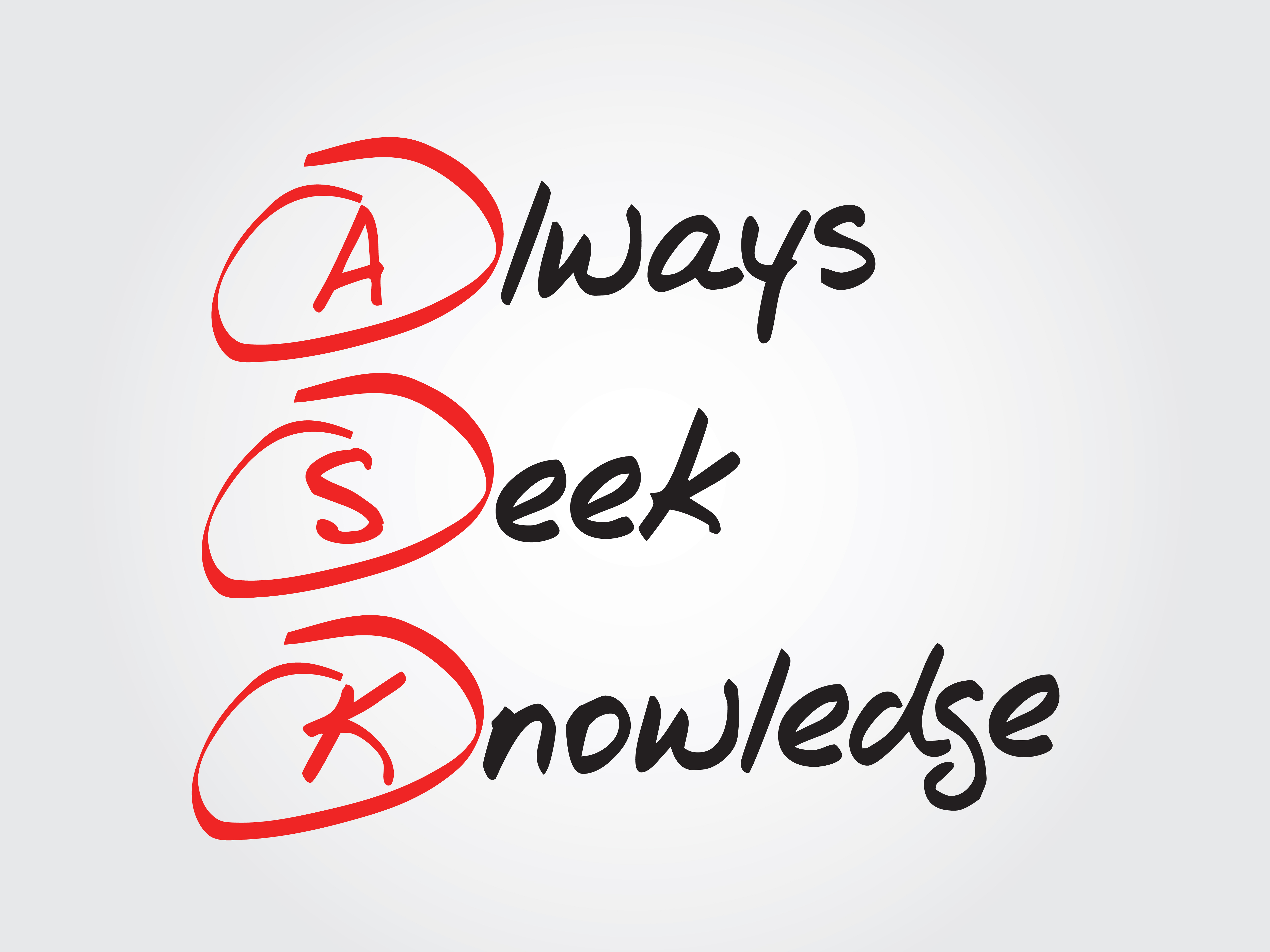
Navigating the complexities of real estate and passing the real estate exam often requires a way to remember concepts, and acronyms can help. I wanted to write an article to share a few acronyms to Read more...
Navigating the complexities of real estate and passing the real estate exam often requires a way to remember concepts, and acronyms can help. I wanted to write an article to share a few acronyms to aid real estate license examinees to understand and recall critical concepts for the exam. I wanted to review terms like the "bundle of rights", factors determining property value, criteria to determine whether or not something is a fixture, the specifics of joint tenancy, the fiduciary responsibilities of agents, and the government's powers concerning property to help you pass the real estate exam.
Each one of these acronyms, from TEEUP to PETE, offers a snapshot of a broader principle. By familiarizing yourself with these, you'll better grasp concepts and be prepared for the California real estate exam. Let's break down these acronyms and highlight their significance in real estate.
Bundle of Rights
The "bundle of rights" is a foundational concept in real estate that refers to the rights associated with property ownership. When someone owns a property, they don't just own the physical land and buildings; they possess legal rights that can be separated and individually sold, transferred, or leased. These rights encompass various ways an owner can use, enjoy, or dispose of the property.
TEEUP: This represents a buyer's bundle of rights, which are:
Transfer: Lawfully transferring ownership.
Encumber: Borrowing against the property.
Enjoy: Peaceful enjoyment without disturbances.
Use: The lawful use of the property.
Possess: Exclusive possession rights.
Factors That Influence Value
Understanding the underlying factors that drive property value is essential. These are commonly represented by the acronym 'DUST' and are intertwined and play a critical role in the valuation process.
DUST: The pillars of property value:
Demand: How many qualified buyers are interested in the property.
Utility: Its usefulness.
Scarcity: Availability in the market and how many other properties are competing with the property in question.
Transferability: Ease of changing ownership.
Determining Whether or Not Something Is a Fixture
In real estate, distinguishing between personal property and fixtures can often lead to intricate debates and discussions. The line between an item considered a movable personal possession and a permanent property fixture is not always clear. Think about kitchen appliances, pool equipment, or even home theater components. To demystify this gray area and provide clarity, professionals often rely on a set of criteria aptly summarized by the acronym 'MARIA.' Let's unpack each of these criteria to understand better what makes an item a fixture in real estate.
MARIA: Criteria to determine if an item is a fixture:
Method of Attachment - The degree of permanence is based on the means of attachment.
Adaptability - Can the item be used elsewhere.
Relationship of parties - Between buyer and seller, the law tends to favor the buyer.
Intention during attachment - Was the intent of the owner to make the item a permanent part of the structure?
Agreement between parties - What did the purchase contract say about the item?
Unities to a Joint Tenancy Holding
Real estate ownership can be complex, especially when multiple parties are involved. Joint tenancy, a common form of co-ownership, allows multiple individuals to hold a shared interest in a property. However, specific conditions must be met for a joint tenancy to be established. These conditions ensure that each tenant's rights are protected and clearly defined. Summarized by the acronym 'TTIP,' these factors are crucial in defining and understanding the nuances of joint tenancy. Let's delve into each of these factors for a clearer perspective.
TTIP: Factors determining joint tenancy:
Time: Acquiring at the same time - All joint tenants must take title to the property at the same time.
Title: Acquiring via the same document - All joint tenants names must be listed on the same deed.
Interest: Equal stake in the property - All joint tenants must own an equal share of the property, regardless of capital contribution.
Possession: Equal possession rights - All joint tenants have the right to touch, use and occupy the entire property and cannot be physically divided.
Fiduciary Duties
Agents play a pivotal role in guiding, assisting, and representing clients. Yet, with this role comes a set of profound responsibilities. An agent's commitment isn't just about facilitating transactions - it’s anchored in a deep-rooted sense of trust and duty to their clients. These obligations, often termed fiduciary responsibilities, are essential in preserving the integrity of the agent-client relationship. Represented by the acronym 'OLDCAR,' these duties underscore the essence of being a trusted real estate professional. Let's explore each of these responsibilities in detail.
OLD CAR - Agent's fiduciary responsibilities:
Obedience - The agent must obey the lawful instructions of the principal.
Loyalty - The agent must be loyal to the client.
Disclosure - The agent must disclose all known material facts to the client.
Confidentiality - The agent must keep the client data confidential.
Accounting - The agent must account for the client funds.
Reasonable care/diligence - The agent must use reasonable care when dealing with the client.
Government Power Over Property
While property ownership bestows certain rights and privileges upon individuals, it's essential to recognize that these rights exist within a framework governed by higher authorities. Every government maintains inherent powers over properties within its jurisdiction, ensuring societal order, public interest, and the equitable use of land. Summarized by the acronym 'PETE,' these powers reflect the delicate balance between individual rights and the collective good. This section will delve into the government's four primary powers over property and their implications for owners.
PETE: The government's powers over property:
Police Power: Regulating for the health, safety and general welfare of the public.
Eminent Domain: Acquiring property for public use.
Taxation: Levying property taxes.
Escheat: Claiming property when an owner dies intestate (without a will).
TLDR
In a Nutshell: Acronyms are invaluable tools when studying for the California real estate exam aiding in efficiently recalling vital concepts. Commit these to memory to ensure a successful exam outcome. Remember, these aren't just random letters; they encapsulate essential real estate principles. Best of luck with your studies and the exam!
Love,
Kartik
|
Imagine a young couple finally stumbled upon a charming old Victorian house nestled at the end of a quiet cul-de-sac. Smitten by its ornate design and quaint charm, they quickly decided this was the home Read more...
Imagine a young couple finally stumbled upon a charming old Victorian house nestled at the end of a quiet cul-de-sac. Smitten by its ornate design and quaint charm, they quickly decided this was the home they wanted to start their new chapter in. As they navigated the escrow process, Sarah and Tom d
|

Exploring the Prospects of Online Real Estate Classes: A Guide to Earning Your License from Home
If you've ever wondered, "Can you take real estate classes online?" you're not alone. We get calls like Read more...
Exploring the Prospects of Online Real Estate Classes: A Guide to Earning Your License from Home
If you've ever wondered, "Can you take real estate classes online?" you're not alone. We get calls like this each and every day in our office. Online real estate courses provide a distinct edge regarding flexibility, accessibility, and convenience. Unlike traditional classroom-based courses, online learning enables you to study at your own pace and schedule, making it an ideal option for those juggling multiple responsibilities—no more commuting or adjusting your schedule around fixed class times. With online courses, the classroom is wherever you want, be it your home, office, or coffee shop. Moreover, many online platforms like ADHI Schools provide interactive tools and resources, ensuring that you grasp complex real estate concepts effectively.
Anyway - if you are wondering if you can take online real estate classes - The simple answer is yes, you absolutely can. With the advent of online education, it is now more convenient than ever to study and qualify for your real estate license without hyperlink to leaving the comfort of your home.
The Appeal of Online Real Estate Classes
Online real estate classes are a great way to enter the industry. They offer a convenient and flexible alternative to traditional classroom learning, allowing aspiring real estate professionals to learn at their own pace and from the comfort of their own home.
At ADHI Schools self-study students can take classes on their schedule, meaning they don't have to quit their day job or adjust their lifestyles to accommodate a rigid class schedule. This is a significant advantage over traditional methods, where you must attend physical classes at specific times.
Affordable Options
It's a common misconception that online classes may be expensive or cost-prohibitive. ADHI Schools seeks to democratize access to education, making it easier for individuals from all walks of life to pursue their dreams of becoming real estate agents or just getting their real estate license as a personal goal.
Online Real Estate Licensing Courses
For those seeking an online class for a real estate license, ADHI Schools has a unique curriculum and teaching style. These classes typically cover all necessary material to pass your state's licensing exam, including property laws, real estate practices, and property management principles.
Getting Your Real Estate License Online
Getting a real estate license may seem daunting, but it's straightforward and ADHI Schools is here to help. We have designed our course to guide you step-by-step through the licensing process.
You can take your real estate licensing exam after completing your online classes and passing the course exams through the ADHI Schools portal. Once you pass the state licensing exam, you will receive your real estate license and officially become a real estate agent.
Quality Online Real Estate Education
When you opt for an online real estate agent course with ADHI Schools you are ensuring you're getting a quality education. When choosing an online real estate license course, you should look for accredited institutions that offer comprehensive courses, expert-led training, and strong student support services like ADHI Schools.
Regardless of the course provider you choose, online classes for real estate licenses should come with resources like interactive quizzes, video content, and other learning aids to enhance your understanding of the material.
The Importance of Choosing the Right Program
To successfully acquire your online real estate agent license, finding the right program is crucial. Make sure to thoroughly research your options before making a decision. The right program should not only be affordable but also cater to your learning style, provide comprehensive resources, and have a track record of helping students pass their licensing exams.
"Can you take real estate classes online?" can be confidently answered with a "Yes." The online platform has made it easier for aspiring real estate agents to earn their licenses and start their journey in the industry. With many options ranging from general courses to specialized classes and from affordable choices to more comprehensive programs, there's something for everyone. Choosing the right course is a personal decision that requires careful consideration. But with the proper research and a clear understanding of your career goals, you can find online real estate classes that perfectly fit you.
As always, feel free to reach out to us at www.adhischools.com or call us at 888-768-5285.
Love,
Kartik
|

In the ever-evolving world of real estate, the concept of For Sale By Owner (FSBO) has gained considerable attention from sellers trying to save on the commission. FSBO is a method of selling a property Read more...
In the ever-evolving world of real estate, the concept of For Sale By Owner (FSBO) has gained considerable attention from sellers trying to save on the commission. FSBO is a method of selling a property without the involvement of a real estate agent or broker. The seller assumes all responsibilities, from setting the right price to handling the paperwork and closing the sale. On the surface, it might seem appealing, mainly due to the potential for saving on fat commission fees that typically go to a real estate agent.
Every now and then, I will get a call in our office from someone who is interested in selling a property on their own without hiring an agent so I figured I should probably write an article about this. It's easy to get lured by the prospect of saving money. Still, it's equally critical to understand the challenges and potential drawbacks of this do-it-yourself approach to selling a property. My intention is not to discourage those considering FSBO but to provide a comprehensive understanding of what it entails, enabling sellers to make an informed decision.
Pricing Challenges
One of the significant challenges faced by those selling their home through the FSBO method is correctly pricing the property. This task usually falls within the expertise of a real estate professional who has obtained a real estate license through training, education and passing a real estate license examination.
Without this professional experience, accurately assessing the value of your home can become a complex process. Sellers need to consider various factors such as the location, size, and condition of the property, recent sales of comparable homes in the area, current market trends, and even the time of year. A real estate license gives professionals the know-how to consider and correctly weigh all these aspects.
Online websites like Zillow can be handy for getting a basic idea about how much homes are worth in your area. But it's better to depend on more than just them to determine your home's value. Zillow uses a Zestimate tool which tries to estimate your home's value using public information and other factors, but the Zestimate can't consider things like how good your home looks, any improvements you've made, or what's unique about your home. On the flip side, a licensed real estate professional knows all the ins and outs of selling homes. They'll come to your home, look it over carefully, consider what makes it unique, and consider what similar homes have recently sold for.
So, while Zillow can give you a rough guess of your home's value, a real estate professional can give you a much better, customized estimate. They should help you set a price that's just right for your home, which can be important when trying to sell.
If the home is underpriced, it could lead to a faster sale, but you risk losing out on potential profit. On the other hand, overpricing the property can deter potential buyers, leading to the property languishing on the market for an extended period. Both scenarios are far from ideal and could result in financial losses or unnecessary stress for the seller.
Accurately pricing a home for sale is a complex process that can significantly impact the sale's success. With the experience and training that comes with obtaining a real estate license, this task can be easier for FSBO sellers.
Time Considerations
The FSBO approach also demands a substantial time commitment from sellers. Not only must the seller price the property properly, but they must also handle all aspects involved in marketing the home. This includes scheduling and conducting viewings, answering inquiries, and actively communicating with potential buyers. Typically managed by a real estate agent, these responsibilities can quickly become overwhelming for the uninitiated.
Legalities and Negotiation
Last but definitely not least, FSBO sellers must handle all the paperwork and legal aspects of a property sale. This requires a deep understanding of real estate laws, contracts, and negotiation skills. The risk of making a mistake or oversight can be high; correcting these can take considerable time and effort.
Deciding to sell your house yourself also can limit the number of people who even know about your house being for sale. The main reason for this is that FSBO listings generally don't appear on the Multiple Listing Services (MLS). The Multiple Listing Service (MLS) is an important tool that can only be accessed by those who have passed the real estate test and are members of an Association of Realtors. Also, negotiating a deal can be hard without the help of an experienced real estate agent. If you're an owner representing yourself in the sale, staying objective during negotiations can take a lot of work. Real estate agents have honed their negotiation skills over many deals, which is a big plus they bring to the table.
Embarking on the FSBO route involves tackling negotiations without the advantage of professional experience. This aspect can be daunting, particularly if the buyer is represented by a seasoned real estate agent. These professionals have the skills and expertise acquired from handling numerous transactions, giving them an upper hand in the negotiation process.
In addition to this, there are emotional factors that often come into play during negotiations. Sellers may have a sentimental attachment to their homes, which can cloud judgment and lead to unrealistic expectations. This emotional investment can also make it challenging to respond objectively to criticism about the property or to negotiate effectively on price and terms.
Another often-overlooked aspect of selling a property FSBO are the legal complexities involved. This process requires understanding local and national real estate laws, regulations, and required disclosures. Without this expertise, sellers can find themselves in non-compliance, leading to penalties or delayed transactions.
The risk of legal disputes is significantly heightened in FSBO sales. Mistakes or omissions in the paperwork, or unintentional non-disclosure of specific property details, could lead to lawsuits after the transaction is completed. These issues can be costly, time-consuming, and stressful to resolve.
FSBO sellers also face potential financial losses due to these legal pitfalls. Costs associated with lawsuits, penalties for non-compliance, or needing to hire a legal professional for assistance can quickly add up.
Consider Getting Your Real Estate License
Another option is getting your real estate license if you're adamant about saving money on real estate commissions. This provides you with the necessary expertise to navigate your home sale and offers an understanding of the market, negotiation skills, and a grasp of the legal aspects of real estate transactions - at least at a high level. You’ll still need to put your license with a broker in order to do an act that requires a license but it’s at least a start.
Whether you sell FSBO, hire a real estate professional, or obtain your real estate license and represent yourself, it's crucial to understand what each path entails. We encourage all potential sellers to seek professional advice to ensure they make an informed decision that best suits their needs and circumstances.
While the FSBO route may initially seem more cost-effective, it requires a significant investment of time and energy that should not be underestimated.
As always, if you are considering getting your real estate license, even to sell just your own home, visit www.adhischools.com or call us at 888-768-5285.
Love,
Kartik
|
In the wake of escalating wildfire risks and a rapidly
changing environmental landscape, major property
insurers are taking steps that could drastically alter the
state of homeowner insurance in California. Read more...
In the wake of escalating wildfire risks and a rapidly
changing environmental landscape, major property
insurers are taking steps that could drastically alter the
state of homeowner insurance in California. Farmers
Insurance, a significant player in the state's insurance
market, has recentl
|