
Embarking on a journey in the real estate industry doesn’t end once you’ve completed your real estate school courses and earned your license. Graduating from a reputable real estate school is the Read more...
Embarking on a journey in the real estate industry doesn’t end once you’ve completed your real estate school courses and earned your license. Graduating from a reputable real estate school is the first step in establishing yourself as a successful, full-time professional. The path from the classroom to closing your first ten deals requires a clear vision, strategic planning, consistent learning, and a willingness to adapt to the evolving market.
This 12-month real estate career roadmap breaks down the steps you must take after finishing real estate license school— from fine-tuning your exam preparation and connecting with a brokerage to building a thriving client base and celebrating post-license success. By following this timeline, you’ll understand precisely what to do after real estate school, making it easier to transform your real estate license into a sustainable, flourishing career.
Month 1-2: Solidifying Your Foundation After Real Estate School
Focus: Exam Prep, Brokerage Research, Personal Branding
As soon as you’ve finished your real estate school coursework, it’s time to focus on passing the state exam. The sooner you conquer this hurdle, the quicker you can start working with clients. Don’t overlook exam prep; this step is critical to your post-license success. Revisit your course materials, utilize any available online practice exams, and engage with peers from your real estate school study groups.
Simultaneously, start researching brokerages in your area. Look for a company that aligns with your values, offers robust training, provides mentorship opportunities, and emphasizes ongoing development. The right brokerage can accelerate your success by supplying valuable resources and market insights. While you’re at it, begin building your brand. Claim social media handles, set up a professional website, and consider a logo that reflects your target audience and niche.
Month 3-4: Passing the Real Estate Exam & Joining a Brokerage
Focus: Licensing, Mentorship, Initial Marketing
By now, you should have passed your real estate exam. This is a significant achievement that transforms you from a real estate student into a licensed professional. Next, it’s time to finalize your association with a brokerage. Ideally, choose one known for its supportive culture, ongoing training, and history of nurturing new agents. A brokerage that offers a mentorship program is invaluable, as seasoned agents can guide you through the nuances of transactions, local regulations, and building client relationships.
Start marketing yourself to your sphere of influence—friends, family, and acquaintances. Share your new role, highlight your affiliation with a reputable brokerage, and position yourself as a reliable point of contact for buying, selling, and investing in real estate. This initial outreach establishes the foundation of your database and can lead to early referrals.
Month 5-6: Developing Market Knowledge & Setting Goals
Focus: Local Market Research, Niche Specialization, Real Estate Tools
In the next couple of months, immerse yourself in your local market. Study neighborhood price trends, track recent sales, and learn to analyze the factors influencing property values. The more intimately you understand your territory, the easier it will be to advise clients, earn their trust, and negotiate favorable deals.
This period is also an excellent time to define your niche.
Consider what type of properties or clients you want to serve. You may excel working with first-time homebuyers, luxury listings, or investment properties. Specializing can help you stand out in a crowded field and streamline your marketing efforts, giving you a clear direction and focus in your career.
Invest in tools and software to boost efficiency—customer relationship management (CRM) platforms, digital marketing services, and transaction management systems. Mastering these tools not only helps you deliver a better client experience but also allows you to maintain an organized pipeline of leads, showings, and closings, empowering you to manage your business more efficiently.
Month 7-8: Lead Generation & Expanding Your Network
Focus: Prospecting, Real Estate Networking, Community Engagement
At this stage, your primary aim is to ramp up lead generation. Prospecting doesn’t have to be daunting; it can be as simple as hosting open houses, attending local events, or joining networking groups for professionals in complementary industries (mortgage brokers, interior designers, or home inspectors). The relationships you build now will pay dividends down the line.
Leverage your brokerage’s marketing resources. Participate in workshops, webinars, and coaching sessions on lead-generation strategies. Consider optimizing your online presence by creating content that answers common client questions, such as “How to select the right property?”
Month 9-10: Refining Your Skills & Building Client Relationships
Focus: Communication Skills, Negotiation, Client Referrals
By now, you’ve likely closed a few deals and gained experience working with different types of clients. Reflect on your successes and identify areas where you can improve. Consider enrolling in additional training or continuing education courses offered by your real estate school alumni network or professional associations. Improving your negotiation, presentation, and communication skills sets you apart from competitors who may rely solely on basic training.
Client satisfaction matters more than ever. Follow up with past clients for testimonials or referrals. Positive word-of-mouth can expand your client base without costly advertising. Personal touches—like a handwritten thank-you note after closing—reinforce your professionalism and dedication. These small gestures help foster long-term relationships that bring repeat business and consistent referrals, contributing to your post-license success.
Month 11: Scaling Your Real Estate Business & Diversifying Services
Focus: Listing Presentations, Real Estate Marketing Strategy, Continuing Education
With nearly a year under your belt, it’s time to consider scaling your business. If you’ve been primarily representing buyers, start targeting more listings. Listings often create a multiplier effect: representing a seller can attract multiple buyers from a single property, boosting lead generation.
Refine your real estate marketing strategy to showcase your listings through professional photography, video tours, and social media promotions. Explore partnerships with local businesses, such as interior designers or moving companies, that can elevate your brand's visibility. Continuously invest in your education—take advanced real estate and marketing courses, attend industry seminars, and earn certifications that strengthen your credibility and skill set.
Month 12: Celebrating Your Success & Planning Ahead
Focus: Review, Refine, Set New Goals
After 12 months in the industry, it’s time to review your progress. Have you reached your goal of closing your first ten deals? Reflect on what worked well and what could be improved. Review your lead sources—were some more fruitful than others? Did your brokerage relationship meet your expectations? Are you attracting the clients and listings you aimed for when you left real estate school?
Use this analysis to set new, more ambitious goals for the following year. Perhaps you’ll double your transaction volume, earn a specialized certification, or expand your team. The key is to remain adaptable and committed to ongoing growth. Real estate is dynamic, and professionals who embrace change are best positioned to thrive.
From Classroom to Closing: A Sustainable Real Estate Career
Completing real estate school and earning your license is only the beginning of a long, rewarding journey. Following this 12-month real estate career roadmap, you’ve learned precisely what to do after real estate school to transition smoothly from a new licensee into a confident, skilled agent who can handle any market challenge.
From acing your exam and choosing a supportive brokerage to mastering local market knowledge, boosting lead generation, and refining your negotiation skills, each step moves you closer to post-license success. Embrace continuous learning, prioritize client relationships, and keep a finger on the industry’s pulse. With dedication, strategy, and resilience, you can turn your initial investment in real estate school into a thriving career that lasts for years.
Love,
Kartik
|

Investing in commercial real estate presents a compelling opportunity for wealth generation and portfolio diversification, distinct from traditional residential investments. Thorough due diligence Read more...
Investing in commercial real estate presents a compelling opportunity for wealth generation and portfolio diversification, distinct from traditional residential investments. Thorough due diligence is paramount, requiring a comprehensive assessment of the property's income-generating potential and long-term value appreciation. Beyond the acquisition cost, astute investors must analyze lease structures, operating expenses, and prevailing market dynamics. By carefully considering these critical factors, investors can make strategic decisions aligned with their financial objectives.
1. Location Analysis: More Than Just a ZIP Code
A property’s location isn’t just about a trendy neighborhood or high foot traffic; it’s also about understanding the broader economic and demographic landscape. Consider the following when analyzing location:
Demographics & Workforce: Is the area’s population growing, and does it include a robust workforce to support local businesses?
Transportation & Accessibility: Tenants are more attracted to properties near major highways, public transit stations, or airports.
Local Amenities & Infrastructure: Proximity to dining, retail, banking, and other services can enhance the property’s appeal to tenants and customers.
Market Trends & Vacancy Rates: An area with historically low vacancy rates and rising rental prices suggests strong demand, while high vacancy might signal an oversaturated market.
2. Property Condition: Uncovering Potential Costs Beforehand
Don’t assume that a fresh coat of paint equals a property in good condition. A thorough assessment of the building’s physical state can save you from unexpected costs and headaches. Key considerations include:
Structural Integrity: Hire a professional inspector or engineer to check the foundation, roof, electrical systems, plumbing, and HVAC units.
Building Age & Lifespan of Systems: Older properties may need costly upgrades sooner. Identify what might need replacing in the next five to ten years.
Energy Efficiency & Sustainability: Look for energy-efficient features or opportunities to improve them—reducing operational costs and appealing to eco-conscious tenants.
Compliance With Building Codes: Confirm that the property meets current codes and standards. Fixing code violations can be expensive and time-consuming.
3. Zoning Regulations & Entitlements: Know What’s Legally Possible
Zoning laws dictate how a property can be used, and changes to these regulations can drastically affect your investment strategy. Before you invest:
Understand Current Zoning: Verify that the property’s intended use—retail, office, industrial, or mixed-use—is permissible under current zoning.
Potential for Rezoning or Variances: If the property’s best use isn’t allowed, research the likelihood of securing a zoning change or variance.
Future Development Plans: Check with local government agencies to see if new infrastructure, commercial developments, or transportation projects are planned. Such initiatives may affect property values and tenant demand.
4. Financial Performance & Cap Rate: Measuring the Property’s True Potential
At its core, commercial real estate investment is about generating returns. Understanding a property’s financial performance is key to determining whether it’s a good fit for your portfolio:
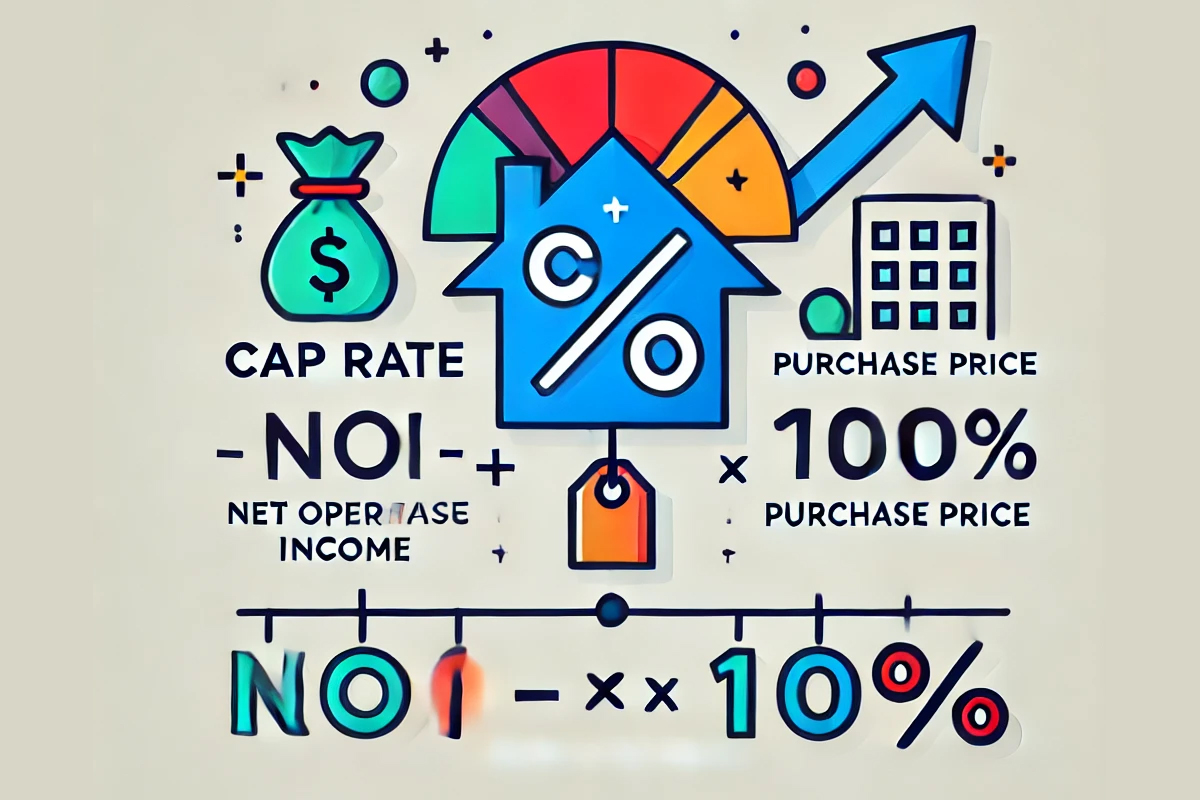
Cap Rate: The capitalization rate (cap rate) is calculated by dividing the property’s net operating income (NOI) by its purchase price. A higher cap rate typically indicates higher potential returns but may involve greater risk.
Rent Roll & Tenant Stability: Examine the current leases. Are the tenants reliable, and do they pay market-rate rents? Do they have long-term leases, or are many nearing expiration?
Operating Expenses: Scrutinize utility costs, property taxes, insurance, and maintenance fees to understand your ongoing expenses.
Potential for Upside: Is there room to increase rents, reduce vacancies, or improve the property to attract higher-paying tenants? Identifying such opportunities can significantly influence your decision.
5. Market Comparisons & Professional Guidance: Don’t Go It Alone
Evaluate the property against similar assets to gauge whether you get a fair deal. Comparative market analysis (CMA) can highlight pricing trends, average rents, and standard amenities offered by competing properties. Moreover, consider enlisting the help of professionals.
Real Estate Agents & Brokers: Local market experts can provide insights into trends, comps, and lease rates you might overlook.
Attorneys: Legal guidance ensures you understand the terms of acquisition, zoning regulations, and potential legal liabilities.
Accountants & Financial Advisors: These professionals can help you structure the investment tax-efficiently and forecast long-term returns.
6. Long-Term Strategy & Exit Planning: Think Beyond the Purchase
Finally, consider how this property fits into your long-term investment strategy. Are you planning to hold it for steady cash flow, reposition it for higher rents, or sell it for a profit? A clear exit strategy from the start ensures you’re making a move that aligns with your goals.
Time Horizon: Determine how long you plan to hold the asset and what milestones will signal it’s time to sell.
Market Cycles: All real estate markets fluctuate. Understand where the market is in the cycle and what that means for your property’s value trajectory.
Portfolio Balance: Ensure this property complements your existing portfolio, mitigating risk and enhancing diversification.
Making Informed, Confident Commercial Real Estate Decisions
Evaluating commercial properties isn’t just about ticking boxes—it’s about strategically aligning the asset with your long-term financial goals. By thoroughly analyzing the location, assessing the property’s condition, understanding zoning and legal parameters, scrutinizing financial metrics like the cap rate, and leveraging expert advice, you set the stage for a more confident and profitable investment.
When you’ve done your homework, you’ll be better positioned to walk into a deal knowing its true potential and the steps you’ll need to take to maximize it. In a competitive and complex market, knowledge is not just power—it’s the key to securing long-term success in commercial real estate investing.
Love,
Kartik
|
If you've ever considered buying a rental property or investing in commercial real estate, you may have encountered the term "cap rate." Short for "capitalization rate," this number Read more...
If you've ever considered buying a rental property or investing in commercial real estate, you may have encountered the term "cap rate." Short for "capitalization rate," this number plays a significant role in how investors judge a property's potential. But what exactly is it, how is it calculated, and why is it so important? In this guide, we'll break down the cap rate, how to use it, and why it matters when looking at real estate investments. You'll feel confident enough to understand and talk about cap rates like a pro by the end.
Understanding the Basics of a Cap Rate
At its simplest, a cap rate is a number that helps investors figure out how well a real estate investment might perform. Think of it as a quick way to measure how much net income you could make from a property compared to how much it costs. The cap rate, shown as a percentage, gives you a snapshot of the property's ability to produce income, much like a car's miles-per-gallon rating gives you a sense of its fuel efficiency.
Key Idea: A cap rate is a tool for estimating a property's potential earnings over time.
How Is a Cap Rate Calculated?
The formula for a cap rate is pretty simple. It looks like this:
Cap Rate = (Net Operating Income ÷ Purchase Price) x 100%
Net Operating Income (NOI) is a key component of the cap rate formula. It's the amount of money you have left after you've collected all the rent and paid the regular property expenses (like property taxes, insurance, maintenance, and management fees) but before you've paid for any loan costs or mortgages. In simpler terms, it's the property's yearly profit before debt, and it's crucial in determining the cap rate. Purchase Price: This is just how much the property costs when you buy it.
For example, you buy a small apartment building for $1,000,000. After collecting all the rent for the year and paying your expenses (but not the loan payments), you end up with $80,000. Using the formula:
Cap Rate = ($80,000 ÷ $1,000,000) x 100% = 8%
So, in this case, the cap rate would be 8%.
Why Do Investors Use Cap Rates?
Cap rates give investors an easy way to compare different properties. Imagine looking at two properties side by side:
Property A Costs $500,000 and brings in a net operating income of $50,000 annually.
Property B Costs $1,000,000 and brings in a net operating income of $80,000 annually.
At first glance, Property B is better because it earns more money each year. But let's look at the cap rates:
Property A Cap Rate: ($50,000 ÷ $500,000) x 100% = 10%
Property B Cap Rate: ($80,000 ÷ $1,000,000) x 100% = 8%
It's clear that Property A produces more income per dollar spent to buy it. In other words, Property A might give you a better return on your money even though it produces less income in total. The cap rate helped us see which property might be the better deal.
How Do Investors Use Cap Rates in Real Life?
Comparing Deals: Before buying, investors often examine several properties. By comparing their cap rates, they can quickly narrow down the most promising ones.
Understanding Risk: A higher cap rate usually means you'll get more income for the money you invest, but it will also mean more risk. For example, a property in a less stable neighborhood might have a higher cap rate because buyers want a higher reward to compensate for the extra risk they are taking by buying in a risky area.
Measuring Market Conditions: Cap rates can also show if a real estate market is hot or cooling off. When a market is "hot," prices often go up, and since your net income may not rise as fast as the price, cap rates might go down. Prices might drop or stop growing in a cooler market, pushing cap rates higher.
Guiding Future Decisions: Investors can also examine how cap rates change. If cap rates in an area are dropping, property prices are rising and deals are harder to find. If cap rates are going up, you might spot new investment opportunities.
What Is a "Good" Cap Rate?
You might be wondering: "What number should I look for when it comes to cap rates?" The truth is, there's no one-size-fits-all answer. A "good" cap rate depends on:
Location: Properties in popular, well-developed cities often have lower cap rates because they're seen as safer investments. For instance, a busy downtown area in a major city might have cap rates around 4% to 5% because people trust that demand for rental space will stay strong.
Property Type: Different real estate types—like office buildings, apartment complexes, or retail stores—might have different typical cap rates. This is due to differences in stability, tenant turnover, and the overall demand for that type of space.
Market Conditions: Property prices might rise faster than rents in a booming economy, pushing cap rates down. During more challenging economic times, cap rates might increase as prices fall or rents stagnate.
Generally, most investors feel comfortable with cap rates ranging from 5% to 10%, but this number can vary quite a bit depending on the factors above. A stable, low-risk property in a top location might have a cap rate as low as 4%, while a property with more risk might need a cap rate of 10% or higher to be worth the gamble.
Factors That Affect Cap Rates
Cap rates don't appear out of thin air. Many forces shape them:
Property Expenses: If property taxes, insurance, or maintenance costs go up, the net operating income goes down. A lower NOI means a lower cap rate if the purchase price stays the same.
Market Rents: As rents rise, the NOI increases, increasing the cap rate. If rents fall, the opposite happens.
Location and Demand: Popular cities and neighborhoods tend to cost more, often leading to lower cap rates since the purchase price is higher than the NOI.
Interest Rates and the Economy: When interest rates are low, investors may be willing to pay more for properties, pushing cap rates down. Buyers might pay a lower price when rates increase, causing cap rates to rise.
Using Cap Rates to Make Smarter Investments
Cap rates are a great starting point, but they shouldn't be your only tool. Think of them as one piece of a larger puzzle. Other things you'll want to consider include:
Cash Flow: Cap rates don't consider loan costs. If you need a mortgage, you should look at your cash flow after paying your monthly loan. A property might have a great cap rate, but if your loan costs are too high, you might not make any real profit at the end of the day.
Growth Potential: A cap rate shows you a snapshot of what's happening right now, but what about tomorrow? If the property's neighborhood improves, rents could increase, raising your NOI and possibly your returns. On the other hand, if the area is losing jobs and people are moving away, it might be harder to keep rents high.
Property Condition: A good cap rate won't matter much if the building needs a ton of expensive repairs in the near future. Look beyond the numbers to see the actual property's condition.
Exit Strategy: How do you plan to make money from this investment over the long run? Are you hoping to hold onto it for many years and collect rent, or are you planning to sell it after a few improvements? The correct cap rate for you might differ depending on your investment goals.
Comparing Cap Rates to Other Metrics
Cap rates are just one type of measurement. Some other metrics investors often use include:
Cash-on-Cash Return: This compares the amount you put down to the amount you get back each year. It's useful if you borrow some (or most) of the purchase price.
Internal Rate of Return (IRR): This is a more advanced calculation that measures an investment's total return over time, including all future cash flows and eventual sale proceeds. While more complex, IRR can provide a broader picture.
Gross Rent Multiplier (GRM): This more straightforward measure compares the property's price to its gross (total) rental income. GRM doesn't factor in expenses, so it's less complete than a cap rate. Still, it can be a quick first glance.
Each metric has its strengths and weaknesses. Many investors use a combination of tools to get the complete picture of a property's potential.
Common Mistakes to Avoid
Only Focusing on Cap Rates: A reasonable cap rate doesn't guarantee a good investment. Make sure you also consider the quality of the building, the location, the market trends, and other factors.
Forgetting About Expenses: Always make sure the NOI is accurate. Refraining from overestimating expenses or renting can lead to a misleading cap rate.
Ignoring Local Trends: A reasonable cap rate in one city might be low in another. Always compare cap rates to properties in the same market for a fair understanding.
Putting It All Together
Cap rates are key in real estate investing, especially for commercial properties. They help you understand the relationship between a property's income and cost, making comparing deals and gauging potential returns easier. While cap rates can't tell you everything you need to know, they're a great starting point. By understanding how to calculate a cap rate, what factors shape it, and how it fits other investing tools, you can make smarter choices and feel more confident in your investment decisions.
Remember: Real estate investing isn't just about one number. Combine the cap rate with other information, use it as a guide rather than a rule, and keep an eye on the bigger picture. Over time, as you gain experience, you'll understand what a "good" cap rate looks like in the markets you care about. From there, you'll be well on your way to building a strong portfolio and making investments you can be proud of.
Love,
Kartik
|

Passing the real estate licensing exam is a significant milestone in your journey to becoming a real estate agent. The exam can be daunting, as it not only tests your knowledge but also your ability to Read more...
Passing the real estate licensing exam is a significant milestone in your journey to becoming a real estate agent. The exam can be daunting, as it not only tests your knowledge but also your ability to manage time and apply what you’ve learned. This can be particularly stressful if you're unsure of what to expect.
However, the use of practice real estate exams can significantly reduce this stress by providing a familiar format and helping you prepare for the actual test. These tests look and feel like the real thing, helping you get comfortable with the format before the exam day. A good real estate school will ensure you have these practice tests as part of your preparation. Instead of just telling you to study, the school will show you how and give you the tools to do it right.
While no real estate school has access to the exact questions on your state licensing exam (those are kept confidential!), rest assured that our practice exams are designed to thoroughly prepare you. We meticulously align our questions with the concepts and topics published by the Department of Real Estate and our team of expert instructors crafts each question to mirror the style and difficulty of the actual exam, ensuring you build the knowledge and confidence needed to succeed. Unlike the official exam, we provide detailed answer explanations and feedback, allowing you to learn from any mistakes and solidify your understanding.
Why Practice Exams Matter
Practice exams are not just a “nice-to-have” but a key part of preparing for your real estate test. Here are the main reasons they help:
They Feel Like the Real Test: Practice exams should show the types of questions you’ll face and how the test is structured. By taking them, you won’t be caught off guard when you see the actual exam.
They Show You Your Weak Spots: A practice exam helps determine what to study. Maybe you’re good at finance questions but struggle with laws about property ownership. Once you know your weak areas, you can focus on fixing them.
They Teach You to Manage Time: You only have so much time to answer all the questions on test day. Practice exams help you learn how to pace yourself so you don’t run out of time.
They Build Your Confidence: The more you practice, the more comfortable you’ll feel. One student, for example, was initially nervous about the test. After taking several practice exams on crashcourseonline, they got used to the question types, and their scores improved. When they took the exam, they felt much calmer and better prepared.
They Help You Remember What You Learn: Studying isn’t just about reading notes. Trying to answer exam questions helps lock information into your memory. You learn by doing, not just by looking over pages of text.
Choosing a Real Estate School That Helps You Succeed
Only some real estate schools put the same effort into helping you pass the exam. When picking a school, look for these features:
Suitable Study Materials: You’ll want to make sure the school’s lessons match what your state’s test will cover. Up-to-date textbooks, online lessons, and a clear course outline ensure you aren’t wasting time on outdated information.
Expert Feedback: Knowing which answers you got wrong is not enough. The best schools give detailed explanations and may even have teachers to help you understand why you missed a question. This way, you turn mistakes into lessons.
Flexible Schedules: Everyone’s life is different. Good schools offer different ways to learn—online classes, in-person sessions, or a blend of both—so you can fit studying into your routine.
A Good Reputation: Check out what past students have to say. If many people pass the exam after taking the school’s course, that’s a good sign. You can also review the school’s track record with your state’s real estate board.
How to Use Practice Exams Effectively
Having practice exams isn’t enough—you need to use them correctly. Here are some tips:
Copy the Real Test Setting: When you take a practice exam, act like it’s real. Find a quiet spot, set a timer, and try not to take breaks. Getting used to this feeling will help you stay calm on exam day.
Look at Your Mistakes: After you finish a practice exam, go through the answer key. Don’t just skip the questions you got wrong—study them. Find out why you missed them so you won’t repeat the same error.
Focus Your Review: If you notice you keep missing questions on a particular topic, spend extra time studying that area. By focusing on your weaknesses, you’ll use your study time more wisely.
Start Small and Build Up: Begin with shorter quizzes on single topics before trying a full-length practice exam. This helps you get used to the material step-by-step before facing the test.
Try Different Types of Practice Tests: Don’t stick to just one set of questions. Mix it up by using different practice exams. This way, you’ll see many question styles and won’t be surprised on test day.
Beyond the Exam
While the primary goal of practice real estate exams is to help you pass the licensing exam, the skills you develop through these tests will continue to benefit your career. These exams teach you to think on your feet, manage your time, and handle challenging questions. These same skills will be invaluable when you work with clients, discuss contracts, or explain property details. The long-term benefits of practice exams extend far beyond the licensing exam, making them a valuable investment in your real estate career.
Practice real estate exams are an innovative and powerful tool. They help you get comfortable with the test format, find and fix your weaknesses, manage your time, and become more confident. By choosing a real estate school that provides high-quality practice tests and offers solid support, you set yourself up for success—not just on exam day but for your entire career as a real estate professional.
Practice real estate exams are more than just a stepping stone to passing the licensing exam; they're a strategic tool for building a strong foundation for your entire real estate career. By familiarizing yourself with the exam format, identifying your weaknesses, and honing your time management skills, you'll gain the confidence and knowledge needed to excel.
Love,
Kartik
|

Are your clients tired of endless open houses and outdated listings? The truth is, many of them are already using technology to transform the home-buying process—and you can too.
Read more...
Are your clients tired of endless open houses and outdated listings? The truth is, many of them are already using technology to transform the home-buying process—and you can too.
As you know from our online real estate school, technology is transforming every stage of the real estate process, especially how we buy and sell homes.
From detailed online listings to immersive virtual tours, modern tools empower buyers to find their dream home faster and smarter than ever before. For real estate professionals, understanding these technologies is key to building trust, anticipating client needs, and staying competitive in today’s market.
This guide will not only explore the top real estate tools your clients are using but also show you how to incorporate them into your process to provide exceptional service and close deals efficiently.
Top Tech Tools Your Clients Are Using
Real Estate Portals: Your Clients’ First Stop
For most buyers, platforms like Zillow and Realtor.com are the starting point for their home search. These tools allow clients to browse listings, compare prices, and gather data before they even contact an agent.
Here’s what sets them apart:
Zillow: A popular choice for its user-friendly interface and "Zestimate" home value tool.
Realtor.com: Known for its accurate listings sourced directly from MLS databases.
How to Use This Insight:
As a professional, you’ll often need to address questions or misconceptions clients bring from these platforms. Be prepared to explain discrepancies between a "Zestimate" and actual market value or provide deeper insights into MLS listings they’ve already seen.
Must-Have Mobile Apps
Your clients aren’t just using websites—they’re taking their home search on the go with apps like those from Zillow or Realtor.com as examples. These apps offer:
Instant Alerts: Notifications for new listings help buyers act quickly in competitive markets.
GPS-Enabled Searches: Clients can explore homes near their current location during a neighborhood drive.
Seamless Syncing: Apps sync with web accounts, ensuring buyers can access saved searches anytime.
How to Use This Insight:
Encourage your clients to share their saved searches and alerts with you so you can align your efforts with their priorities. Download these apps yourself to stay in sync and respond quickly when clients flag potential properties.
Virtual Tours & 3D Walkthroughs
Virtual tours are becoming the new standard for clients who want to narrow their options before scheduling in-person visits. Tools like Matterport and Zillow’s 3D tours allow buyers to:
View layouts and finishes from the comfort of their home.
Visualize potential renovations or furniture placements.
Save time by eliminating homes that don’t meet their needs.
How to Use This Insight:
Consider investing in 3D walkthroughs for your own listings to meet client expectations. Use virtual tours as a discussion point, guiding clients to evaluate layouts and features they might overlook in photos.
Smart Search Strategies to Match Your Clients
Technology isn’t just about tools—it’s about using them effectively. Here’s how to leverage the strategies your clients are already employing:
Refine with Filters
Clients often use advanced search filters to narrow their focus:
Price range
Number of bedrooms and bathrooms
Amenities like pools, garages, or outdoor spaces
How to Use This Insight:
Help clients refine their search by advising them on realistic filters. For instance, suggest widening their price range slightly to account for negotiation opportunities.
Map-Based Searches
Proximity to schools, grocery stores, and public transit
Neighborhood amenities like parks or restaurants
How to Use This Insight:
Use the same maps your clients are exploring to highlight key features of a neighborhood. Show them how a home’s location aligns with their priorities, whether it’s a quick commute or walkable amenities.
Alerts and notifications
Buyers often rely on notifications to stay ahead in the market:
New listing alerts
Price change updates
How to Use This Insight:
Set up alerts on behalf of your clients to demonstrate your proactive approach. By monitoring updates in real-time, you can flag opportunities before they even ask.
Beyond the Listings
Buyers are no longer just shopping for a house—they’re evaluating neighborhoods, schools, and financial feasibility. Here’s how you can support their broader research:
Neighborhood Insights
Tools like Niche.com, GreatSchools.org and even Walk Score help clients assess community fit. They’re looking at everything from school ratings to crime data and walkability.
How to Use This Insight:
Position yourself as a local expert by complementing this data with your knowledge of the area. Offer personalized recommendations that validate or enhance the information clients find online.
Financial Tools
Clients are coming to the table armed with data from mortgage calculators, pre-approval tools, and budgeting apps.
How to Use This Insight:
Help clients interpret these tools by discussing factors like down payments, closing costs, or loan types. Your guidance can fill in gaps and build confidence in their decisions.
Your clients are already leveraging technology to streamline their home search—are you ready to meet them there? By understanding the tools they use and integrating them into your process, you can strengthen relationships, anticipate client needs, and provide an elevated level of service.
Love,
Kartik
|

Real estate is about more than just property. It's about people—where they come from, what they value, and how they choose to live. As a real estate agent, you will meet clients from all different backgrounds. Read more...
Real estate is about more than just property. It's about people—where they come from, what they value, and how they choose to live. As a real estate agent, you will meet clients from all different backgrounds. Some may celebrate holidays you've never heard of, speak languages you don't know, or follow traditions that might seem unusual to you. Understanding, respecting, and working with these differences is called "cultural competency." It's a skill that helps you connect with clients more profoundly, making them feel valued and understood.
In today's world, learning to meet clients' needs from many cultures isn't just a "nice to have"; it's necessary. Communities are becoming more diverse, and buyers, sellers, and investors come from all over. When you master cultural competency, you can reach more clients, handle issues more smoothly, and build a better brand for yourself. More importantly, you'll create a reputation as genuinely caring about the people you serve—not just about making a sale.
Why Cultural Competency Matters
Imagine working with a family who just moved to your area. They may be still learning the local language or have customs that affect what kind of home they want to buy. For example, some cultures prefer multi-generational households, where grandparents, parents, and children live under one roof. Others place special importance on facing specific directions for good luck or having a space for certain religious practices. If you don't understand these needs, you might push them toward homes that don't make sense for their lifestyle, causing confusion or frustration.
Cultural competency is more than just avoiding mistakes; it's about actively building trust with clients from diverse backgrounds. When you demonstrate respect for their traditions and values, and show genuine interest in their unique needs, clients feel valued and understood. This fosters open communication, allowing them to comfortably share their concerns and goals, which ultimately leads to finding the perfect property faster. This trust translates to happy clients, increased referrals, and a thriving business built on strong relationships.
Common Cultural Differences in Real Estate
One of the first things you may notice when working with clients from different cultural backgrounds is that communication styles vary. Some clients may be straightforward, saying precisely what they mean. Others may prefer a more indirect style, using hints or polite phrases rather than giving a straight answer. Understanding these differences helps you avoid misunderstandings. You also learn to read between the lines and pick up on body language cues.
Another difference may be in the decision-making process. In some cultures, buying a home is an individual choice. The client may act alone based on their personal needs. In other cultures, it might be a family decision that involves input from parents, grandparents, or even older siblings. Being aware of who influences the decision can help you guide conversations and show respect to everyone involved.
Cultural differences also appear in how holidays and special events are treated. While some buyers may not mind scheduling showings during significant holidays, others may find that disrespectful. Some families may have specific days they consider lucky or unlucky. By knowing about these customs, you can schedule showings, open houses, and meetings at times that respect their traditions.
Overcoming Language Barriers
Clear communication is crucial when working with diverse clients. While learning basic greetings in their language shows respect, translation apps and interpreters can bridge larger language gaps. Focus on clear, simple language, patience, and positive non-verbal cues to ensure understanding and build rapport.
Building Trust Through Cultural Awareness
Respecting cultural differences isn't just about language or traditions—it's about showing that you recognize each client as unique. When clients see that you are trying to understand their world, they feel safer and more comfortable. Maybe you learn about their festival traditions and avoid scheduling meetings on those special days. Or perhaps you ask them about the features they value most in a home and then listen closely to their answers rather than assuming what they want based on your own experiences.
Small gestures can make a significant difference in building trust. If a client prefers no shoes inside the home, kindly remove yours before entering. If another client has dietary restrictions and you offer refreshments at an open house, consider serving beverages or snacks they can enjoy. While seemingly minor, these actions send a strong message that you care about their comfort and can go a long way in building a strong client-agent relationship.
Over time, this level of respect can lead to deep trust. Clients who trust you are likely to follow your advice, open up about their needs, and feel confident that you have their best interests at heart. In a field like real estate—where the stakes are high—trust can be the difference between a smooth transaction and a deal that falls apart.
Practical Steps to Improve Your Cultural Competency
Becoming culturally competent is a journey, not a destination. It's a process that requires patience, dedication, and a genuine desire to learn. One of the best ways to start is by educating yourself. Read books about different cultures, watch documentaries that explain certain traditions or beliefs, and consider attending cultural fairs or community events where you can meet people from diverse backgrounds and learn firsthand about their customs. Remember, the more you know, the better you can serve your clients.
If your clients come from a particular cultural group, consider learning a few key phrases in their language. For instance, if your clients are Spanish-speaking, learning how to say 'hello' ('hola '), 'thank you' ('gracias '), and 'goodbye' ('adiós ') can go a long way. It shows effort even if you only know a few basic phrases. Look into language classes at a local community center or try an online course. Another idea is to seek mentorship from another agent with experience working with multicultural clients. They can share their successes, mistakes, and strategies.
In addition, feel free to ask clients what makes them most comfortable. If you need help respecting a particular tradition, politely ask them for guidance. Most people appreciate honest curiosity and the chance to explain their customs. Over time, you'll build a mental library of knowledge and experiences that make you a more effective agent.
Long-Term Benefits for Agents and Communities
Cultural competency helps you stand out as a real estate agent and make more sales because you can serve a broader range of clients. This can lead to more referrals and repeat business. It also helps your reputation, as people describe you as understanding, caring, and respectful. These qualities go a long way in an industry built on relationships.
On a larger scale, culturally competent agents help create stronger communities. When people feel accepted and understood, they are more likely to invest in their neighborhoods, build lasting friendships with neighbors, and contribute to the area's growth. By helping clients find homes where they feel comfortable and respected, you're also helping build a positive community environment.
This skill takes time to develop. You might make mistakes along the way or need help with what to do. But with patience, a willingness to learn, and an open mind, you can become the kind of agent clients trust with one of the most significant decisions of their lives. Over time, cultural competency will not only improve your business; it will also help create more welcoming and understanding communities.
Love,
Kartik
|

Buying a home is a significant milestone, and for most people, securing a mortgage is a crucial step in the process. Navigating real estate financing can seem daunting as interest rates fluctuate and housing Read more...
Buying a home is a significant milestone, and for most people, securing a mortgage is a crucial step in the process. Navigating real estate financing can seem daunting as interest rates fluctuate and housing markets grow more competitive. Understanding how to navigate the mortgage process is more important than ever, and it's essential to recognize that this journey can vary significantly based on location, economic conditions, and personal circumstances. This article provides essential home mortgage tips and insights to help you make informed decisions on your path to homeownership.
As a new real estate agent fresh out of real estate school, remember this vital principle: be your own best client. While this article is geared toward helping buyers navigate the complexities of qualifying for a mortgage, the advice within applies just as much to you as it does to them. The true path to wealth in real estate isn’t solely in the properties you sell but in the properties you acquire along the way. By investing in real estate, you secure your financial future and gain firsthand experience that will make you a more informed and credible advisor to your clients. Let every transaction remind you that the best investment you can make is in yourself.
Understanding Your Financial Readiness
Before diving into mortgage options, it's crucial to assess your financial readiness. This step is not just important, it's empowering. It involves:
Assessing Your Credit Score
Your credit score determines the interest rates and loan terms for which you qualify. A higher score generally translates to better terms.
To improve your credit score, pay bills on time, reduce credit card balances, and avoid opening new credit accounts unnecessarily.
For instance, a buyer with a credit score of 750 might secure a 5% interest rate, while a score of 650 could lead to a 6.5% rate—a difference that could cost tens of thousands over the life of a loan.
Evaluating Your Budget with the 28/36 Rule
The 28/36 rule is a helpful guideline that can provide you with a sense of direction. It suggests that up to 28% of your gross monthly income should go towards housing expenses, and your total debt should be at most 36% of your gross income.
Determine a comfortable down payment amount while considering other savings goals and expenses, such as emergency funds, retirement savings, and other financial commitments.
Exploring Mortgage Options
Once you have a good grasp of your finances, it's time to explore the different mortgage options available:
Types of Mortgages
Fixed-Rate Mortgages: Ideal for buyers who prefer predictable monthly payments and plan to stay in their homes long-term.
Adjustable-Rate Mortgages (ARMs): These have interest rates that adjust periodically, making them suitable for buyers who plan to move or refinance within a few years. I generally don’t recommend these.
Government-Backed Loans:
FHA loans: Great for first-time homebuyers with lower credit scores or limited down payments.
VA loans: Exclusively for veterans and eligible service members, offering competitive terms and no down payment.
USDA loans: Designed for rural properties, providing low or no down payment options for qualified buyers.
Interest Rates and Loan Terms
Economic conditions and your creditworthiness influence interest rates.
Use online mortgage calculators to compare the costs of a 15-year loan versus a 30-year loan.
For example, "Have you ever wondered how much that extra 0.5% interest rate could cost over 30 years? A quick calculation can show you the impact on your budget."
Preparing Your Mortgage Application
A well-prepared mortgage application can streamline the approval process.
Gathering Required Documents
Lenders typically require proof of income (pay stubs, tax returns), employment verification, credit history, and documentation of assets (bank statements, investment accounts).
Avoiding Common Pitfalls
Refrain from making major purchases or opening new lines of credit while your mortgage application is under review, as these actions can negatively impact your credit score and approval chances.
Finding the Right Lender
When it comes to finding the right lender, don't settle for the first one you come across. Take your time, do your research, and make a decision that you feel confident about.
Shop Around for the Best Rates
Compare interest rates, fees, and loan terms from various banks, credit unions, and mortgage brokers to find the most favorable offer.
Ask the Right Questions
Inquire about lender fees, interest rate lock options, prepayment penalties, and other concerns.
Making the Most of Pre-Approval
Getting pre-approved for a mortgage offers several advantages:
What Pre-Approval Means
A pre-approval indicates that a lender has reviewed your finances and will lend you a specific amount.
Strengthening Your Offer
In competitive real estate markets, being pre-approved demonstrates your seriousness as a buyer and can give you an edge over other offers.
Understanding Closing Costs
Be prepared for closing costs, including appraisal fees, title insurance, loan origination, and more.
Some lenders or sellers may offer to cover part of the closing costs. Feel free to negotiate or inquire about potential discounts.
Reviewing the Fine Print
Carefully review all loan documents before signing to ensure you understand the terms and conditions of your mortgage. This is crucial as it can help you avoid any surprises or misunderstandings later on. Pay close attention to the interest rate, loan term, prepayment penalties, and any other fees or conditions.
Tip: Carefully compare the final Closing Disclosure to your initial Loan Estimate to ensure all terms align as expected.
Securing a mortgage requires careful planning and informed decision-making. By understanding your financial readiness, exploring mortgage options, preparing a strong application, and finding the right lender, you can confidently navigate the process. Remember to get pre-approved, understand closing costs, and review loan documents thoroughly. These home mortgage tips empower you to make sound choices and achieve your homeownership dreams.
Love,
Kartik
|

Owning a home isn't just about having a place to sleep—it's also a way to build wealth and give yourself more financial options. One of the main ways this happens is through home equity, which is the Read more...
Owning a home isn't just about having a place to sleep—it's also a way to build wealth and give yourself more financial options. One of the main ways this happens is through home equity, which is the difference between what your home is worth and what you still owe on it. Over time, you build more equity as you pay down your mortgage or if your property value increases. The increase in value, called appreciation, is influenced by factors like the desirability of your neighborhood, local market conditions, and overall economic growth. Eventually, if you pay off your mortgage, you own the entire value of your home.
For example, if you purchase a home for $300,000 with a 20% down payment ($60,000), you start with $60,000 in equity. As you continue making mortgage payments and your home's value rises, that equity grows. In addition to building equity, homeowners may also benefit from tax deductions on mortgage interest and property taxes, which can lead to significant savings over time.
Building equity isn't always easy. If home prices drop, you might owe more than your home is worth. This is called "underwater" on your mortgage, where the outstanding balance exceeds your home's current value. It often happens when the housing market takes a downturn or if you began with a huge loan and the home's value didn't grow as expected. When this occurs, some people wait for the market to improve so their home value can rise again. Others look into options like loan modifications or refinancing—if their lender allows it—to make their payments more manageable. In short, being underwater can be stressful, but it doesn't have to be permanent.
There are several ways to build more equity:
Start with a more significant down payment: The more you pay upfront, the more equity you will have immediately.
Make extra or larger mortgage payments: Paying more than the minimum can help you owe less fast.
Refinance to a shorter term: A 15-year loan, for example, can build equity faster than a 30-year one.
Invest in home improvements: Upgrading kitchens, bathrooms, or other parts of the home can boost its value.
Keep up with regular maintenance: Performing repairs and upkeep helps preserve your home's value and supports steady equity growth.
Once you have enough equity—often around 20%—you can borrow against it using options like a home equity loan or a home equity line of credit (HELOC). Home equity loans provide a lump sum of money at a fixed interest rate, while HELOCs work like a credit card with a revolving line of credit and a variable interest rate. People often use these options to consolidate high-interest debt, cover emergencies, pay for college, or invest in more home improvements. While borrowing against equity can be helpful, it also comes with risks you must fully understand before moving forward.
Risks of Borrowing Against Equity:
Interest Rate Fluctuations. If you choose a HELOC, your interest rate might change over time, causing your monthly payments to fluctuate.
Fees and Closing Costs: Home equity loans and HELOCs can include extra costs, such as closing fees, appraisal charges, or annual fees.
Impact on Your Credit Score: Taking on more debt can lower your credit score especially if you borrow a significant amount.
When to Use Home Equity:
While borrowing against your home equity can be a helpful tool, it's essential to use it wisely. Consider tapping into your equity for investments that will likely increase your home's value (like a kitchen remodel), to consolidate high-interest debt, or for essential expenses such as education or medical bills. On the other hand, avoid using your home's equity for non-essential purchases or risky investments that may not pay off in the long run.
Before borrowing against your equity:
Think carefully about how you'll repay the loan.
Remember that your home is the security for the debt, and if you miss too many payments, you could risk losing it.
Ensure you have a steady income and a clear plan to repay your debts.
Consider the pros and cons, and if needed, speak with a financial expert for guidance.
Owning a home is a big step toward creating a stable financial future. You can make smarter decisions by understanding home equity, knowing how to build it, and being aware of the risks and best uses of borrowing against it. With patience, planning, and proper maintenance, your home can be a place of comfort and a powerful tool for reaching your long-term financial goals.
Love,
Kartik
|

As a real estate agent, you might encounter the misconception that the holiday season is a slow time for selling homes. With people busy with festivities and travel, it's easy to assume that listing a Read more...
As a real estate agent, you might encounter the misconception that the holiday season is a slow time for selling homes. With people busy with festivities and travel, it's easy to assume that listing a property during this time could be challenging. But don't let that common belief deter you! The truth is, the holiday season offers unique advantages that you can leverage to benefit your clients. Let's debunk this myth and explore why listing during the holidays can be a winning strategy for you and your sellers.
Less Competition - Your LIsting Shines Even Brighter
As a real estate agent, you can use the reduced competition during the holidays to your advantage. Many sellers mistakenly believe it's a bad time to list, perhaps due to misconceptions or advice from those who haven't had the benefit of a quality real estate license school. This leads to lower inventory, with the National Association of Realtors reporting a 15% drop in listings in December compared to the spring selling season. This presents a golden opportunity for you. With fewer homes on the market, your listings are more likely to grab attention and attract serious buyers.
Serious Buyers - Ready to Make a Move
While there might be fewer buyers overall during the holidays, those actively searching tend to be highly motivated. These buyers often have specific needs or timelines driving their search, such as year-end tax breaks, job relocations, or a desire to settle into a new home before the new year. Their urgency can translate into quicker closings and better offers.
Holiday Spirit - Capture the Magic
As a real estate agent, you can capitalize on the inherent charm of the holiday season. Encourage your clients to enhance their home's appeal with tasteful decorations, festive lights, and even the enticing aroma of freshly baked cookies. This creates a warm and inviting atmosphere that resonates with potential buyers on an emotional level, making the property more memorable and desirable. To maximize this effect, suggest professional staging that incorporates festive touches while maintaining a clean and spacious feel. Also, work with your clients to ensure their listing photos highlight the cozy holiday ambiance without appearing cluttered. This will help your listings stand out and attract more interest.
Favorable Timing for Sellers - Minimize Disruption, Maximize Opportunity
As a real estate agent, remember to highlight the advantages of holiday listings for your clients. With fewer showings, they can enjoy the festivities with minimal disruption to their routines. Plus, if they're planning to buy in the spring market, selling now allows them to secure their next home before the competition heats up. This strategic timing, something you likely learned in your real estate license school, can give them a real advantage and provide a smoother transition.
Considerations Before Listing - Plan for Success
When advising clients about holiday listings, be sure to address potential challenges while emphasizing the overall benefits. Acknowledge that limited showing schedules due to holiday gatherings and travel might require flexibility. Reassure them that with careful planning and open communication, these obstacles can be easily managed.
Ultimately, position holiday listing as a strategic move. Highlight the unique opportunities it presents, from reduced competition and motivated buyers to the captivating allure of a festively decorated home. By guiding your clients through the dynamics of holiday home selling and implementing effective marketing strategies, you can increase their chances of a successful and timely sale, further solidifying your value as their trusted real estate advisor.
So, are you ready to embrace the holiday season as a prime time for real estate success? By understanding the unique dynamics of the market during this period, you can effectively guide your clients and turn the "slow" season into a win-win for everyone. Remember, a well-prepared agent is a successful agent, and a quality real estate license school can equip you with the knowledge and skills to thrive in any market condition.
Want to learn more about maximizing your potential in the real estate industry? Contact us today or visit our website to explore our comprehensive real estate training programs and discover how we can help you achieve your career goals.
Love,
Kartik
|
Even though the concept of a real estate license might seem straightforward, many might not appreciate its comprehensive role in a real estate professional's career. From ensuring legal compliance Read more...
Even though the concept of a real estate license might seem straightforward, many might not appreciate its comprehensive role in a real estate professional's career. From ensuring legal compliance to fostering market integrity, this license is the cornerstone of professional real estate practice. It's not just a legal requirement, but a fundamental pillar of the real estate industry. In this article, I wanted to delve into the true essence of a real estate license, its necessity, and the benefits it brings to both professionals and their clients.
Types of Real Estate Licenses
For those venturing into the real estate industry, the choice often boils down to two primary licenses:
Real Estate Salesperson: Allows you to conduct transactions under the supervision of a licensed broker.
Real Estate Broker: This position empowers you to operate independently, manage a team of salespersons, and potentially own your own brokerage. It's a testament to your expertise and a stepping stone to a successful career in real estate. Keep in mind that requirements vary by state. For example, one state may require 60 hours of pre-licensing education, while another may require over 250. Always research the regulations specific to your area. This empowerment is a testament to your expertise and a stepping stone to a successful career in real estate.
Why Are Licenses Important?
Real estate licenses serve several critical purposes:
Consumer Protection: Licensing ensures that practitioners meet minimum standards, safeguarding clients from unethical or unprofessional practices.
Professional Standards: Education and making candidates pass real estate exams help ensure that agents and brokers possess a solid grasp of real estate law, ethics, financing, property management basics, and market principles.
Market Trust: A licensed professional builds trust and credibility, drawing in clients who prioritize expertise and ethical standards. Your license represents more than a mere credential; it is a mark of reliability within the real estate community.
How to Obtain a Real Estate License
While the exact process varies by state, you’ll typically follow these steps:
Consumer Protection: Licensing ensures that practitioners meet minimum standards, safeguarding clients from unethical or unprofessional practices.
Meet Prerequisites: You must usually pass any required background checks.
Complete Pre-Licensing Education: Enroll in a state-approved real estate program covering real estate principles, laws, ethics, finance, and property valuation.
Pass the State Exam: After completing your education, you’ll take a state-administered exam. This test covers property law, financing, contracts, land use, and ethical practices. Success here ensures you have a foundational understanding of the industry’s core concepts.
Maintaining and Renewing Your License
Earning your license is just the start. To keep it active and in good standing, you’ll need to:
Fulfill Continuing Education Requirements: Stay up-to-date with evolving laws, market trends, and industry best practices by completing regular coursework.
Renew Your License Periodically: States usually require real estate license renewal every two to four years. Ensure you meet all renewal criteria, pay applicable fees, and submit the documentation on time.
Uphold Ethical and Legal Standards: Always comply with state regulations and industry ethics. Operating with an expired or revoked license can lead to fines, legal action, or permanent disqualification, significantly impacting your career and reputation in the industry.
The Benefits of Having a Real Estate License
Holding a real estate license offers several advantages:
Legal Authority: You can represent buyers, sellers, landlords, and tenants, earning commissions and building a rewarding career.
MLS Access: Gaining access to the Multiple Listing Service (MLS) provides a comprehensive database of properties, streamlining the search process and boosting your efficiency.
Expert Negotiation and Advocacy:Licensed professionals add value by advocating for their clients’ best interests. They use their market knowledge and negotiation skills to secure favorable terms, ensuring clients achieve their real estate goals.
Professional Growth: Join professional organizations—such as the National Association of Realtors ®—and benefit from industry resources, networking events, and advanced training programs. These organizations can provide you with valuable insights, networking opportunities, and access to advanced training, all of which can contribute to your professional growth and success in the industry.
Career Versatility: Explore various niches, from residential and commercial sales to property management, investment consultancy, and even luxury market specialization.
Certification: Additional certifications or designations, like working with first-time buyers or handling luxury properties, can demonstrate specializations. These certifications can enhance your credibility and marketability, showing potential clients you have specialized knowledge and experience in a particular real estate area.
Continuous Learning Needed: A license is the starting line, not the finish line. The industry evolves, and so must your knowledge and skills. Continuous learning is not just a requirement, it's a key to staying competitive in the real estate market. This emphasis on continuous learning is a reminder of the necessity of staying updated and competitive in the industry.
Next Steps
If you’re ready to begin your journey:
Research State Requirements and Enroll in Pre-Licensing Courses: Visit your state’s official real estate licensing board website and find an approved real estate school like ADHI Schools. This emphasis on research and preparation will make you feel equipped and ready to start your journey.
Join Professional Organizations: Consider joining the National Association of Realtors® or other reputable groups for ongoing education, market insights, and networking opportunities.
A real estate license is key to unlocking a dynamic, customer-focused career. With the proper preparation, dedication to learning, and commitment to advocating for your clients’ best interests, you’ll be well on your way to thriving in this rewarding industry.
Love,
Kartik
|