

The greatest fear for any aspiring agent isn't the difficulty of the exam—it’s the fear of wasting money and months of hard work on coursework the Department of Real Estate (DRE) won't accept.
In California, if your school isn't properly approved, your application will be rejected, and you’ll be forced to start over from day one. I’m Kartik Subramaniam, and over the last 20+ years, I’ve helped thousands of students navigate these requirements.
This guide provides a simple, 10-minute verification system to ensure you are enrolling in a legit real estate school in California. Before you commit your time and money, you should also consult our guide on the Best Real Estate Schools in California to understand vetted and high-quality options.
For California licensing eligibility, the DRE’s course approval is the only thing that matters. Use this framework to verify any provider.
Every DRE course provider is assigned a Sponsor ID. While the DRE technically approves individual courses, these IDs are the primary way the Department tracks the entities offering them.
Legitimacy isn't a vibe—it's a database entry. However, many students make the mistake of using the “Public License Lookup,” which is for agents and brokers.
A school might be a valid provider, but that doesn't mean every course they sell is approved for your specific license.
Per DRE regulations, students cannot receive credit for completing a 45‑hour statutory correspondence course in fewer than 18 days per course.
A legit real estate school in California should provide a physical office address, a working phone number, and clear refund policies.
Follow this exact walkthrough to confirm your California real estate pre‑licensing course is approved.

If you see these, it’s time to pause and investigate further:
For a full list of warning signs, see Red Flags When Choosing a Real Estate School.
If you suspect your school isn't legitimate, take these steps:
Reviews are excellent for judging the quality of instructors or the ease of a school's online platform. However, a 5‑star rating on Google does not equal DRE approval.
Prioritize DRE verification first, then use reviews to find the best fit for your learning style. To understand the balance, read How Important Are Online Reviews for Real Estate Schools and Why DRE Accreditation Matters More Than Online Reviews.
A legit real estate school in California is one that is transparent with its DRE credentials and respects the state‑mandated learning timelines.
If you want a provider that clearly publishes Sponsor IDs and course listings, verify those details before you enroll. To see how top schools compare across the state, we recommend using the Best Real Estate Schools in California guide as your primary resource.
Q: How do I verify a real estate school is DRE approved?
A: Use the DRE Statutory Course Provider Lookup tool. Search by the school’s name or Sponsor ID and confirm that the specific courses you need are listed as active.
Q: What is a DRE Sponsor ID?
A: It is an identification number (often formatted like S####) assigned to schools that offer DRE‑approved courses. It is the most reliable way to verify a provider’s standing with the state.
Q: Will the DRE accept online real estate courses?
A: Yes, as long as the provider is a DRE course provider and the course includes the mandatory 18‑day study period per 45‑hour course.
Q: What happens if my school isn’t approved?
A: The DRE will reject your exam application. You will not receive credit for the time spent, and you will have to retake the courses through an approved provider.
Q: Do real estate course certificates expire in California?
A: Pre‑license course credit generally doesn't have an expiration window like Continuing Education, so older courses can still count toward credit.
Q: What if the provider is legit, but the course isn’t listed?
A: The DRE approves individual courses, not schools. If the specific course name isn’t in the DRE database, that course cannot be used for license eligibility—even if the school itself has other courses approved.
Q: How do I check if a school has had formal action taken against it?
A: You can check the “Formal Actions and Pending Actions” page on the DRE website. This lists providers that have faced disciplinary measures or had their approvals questioned.

Founder, Adhi Schools
Kartik Subramaniam is the Founder and CEO of ADHI Real Estate Schools, a leader in real estate education throughout California. Holding a degree from Cal Poly University, Subramaniam brings a wealth of experience in real estate sales, property management, and investment transactions. He is the author of nine books on real estate and countless real estate articles. With a track record of successfully completing hundreds of real estate transactions, he has equipped countless professionals to thrive in the industry.

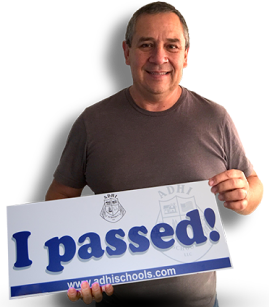
"Hey guys,
I took the exam today and passed!!!!
It only took me one try which was one of my goals. I took the online
classes and follow your suggestions so I took the crash course,
used the crash course app a lot, took 7 mock tests and went
confident to present the exam. Thank you for the great job you are
doing, you guys are awesome!!!! May God continue to bless you!"
Willie V.