Top 5 Mistakes New Real Estate Agents Make After Getting Licensed (And How to Avoid Them)
Starting a career in real estate is exciting and has many opportunities. However, like any job, it has Read more...
Top 5 Mistakes New Real Estate Agents Make After Getting Licensed (And How to Avoid Them)
Starting a career in real estate is exciting and has many opportunities. However, like any job, it has its challenges. New agents might initially find it complicated, even after completing real estate school and getting their licenses. While getting a license is an important step, it's just the beginning. Challenges arise when handling property sales, building client relationships, and understanding market changes. I wanted to write an article to highlight common mistakes made by new agents and give advice on how to avoid them for a more rewarding real estate career.
Mistake 1: Not Building a Marketing Strategy
One of the most common pitfalls for newer real estate agents is the belief that clientele will magically gravitate toward them with little proactive outreach. This misconception can be detrimental to an agent's budding career. Today's real estate market is saturated, and standing out requires more than obtaining a license and setting up a desk in an office. Successful agents understand that a consistent and well-thought-out marketing strategy is at the heart of their business.
A robust marketing strategy is a combination of both online and offline efforts. In the digital age, online methods such as social media campaigns, targeted ads, email newsletters, and a professional website are indispensable. These tools increase an agent's visibility and help build credibility and trust among potential clients. On the other hand, offline methods like networking events, open houses, and local advertising play a vital role in community engagement and personal brand building. Together, these strategies form a comprehensive approach to reaching and attracting clients. For a new real estate agent, investing time and resources into a marketing strategy from the outset can make all the difference between a thriving career and one that never quite takes off.
Mistake 2: Neglecting Continuous Learning
Starting a real estate career usually begins with training, like what ADHI Schools offers. We prepare students for the licensing exam and give our students a basic understanding of the industry. But this initial knowledge is just the beginning. The real estate world constantly changes—new market trends, shifting property values, and updated regulations exist. So, while the foundation from schools like ADHI is important, agents shouldn't stop there.
To succeed, agents must keep learning. Regular training, workshops, and staying updated on the market are crucial. This continuous education helps agents stay ahead and better serve their clients. Simply put, the most successful agents know their learning never stops, even after formal schooling.
Mistake 3: Undervaluing Networking
The Power of Networking in the Real Estate Industry
For many newer real estate agents, passing the real estate exam marks a significant milestone in their budding careers. It's an achievement that opens the door to the vast world of property sales, acquisitions, and negotiations. However, a crucial aspect that can sometimes be overlooked in the initial stages is the immense value of networking.
While acing the real estate exam is a testament to one's foundational knowledge, the journey ahead requires more than just theoretical understanding; it demands connections, collaborations, and mentorships.
Failing to build a robust professional network can leave agents isolated in an industry where relationships often drive success. Engaging with local real estate groups, for instance, not only offers insights into regional market trends but also provides opportunities for collaborations and referrals. Likewise, attending industry events can introduce agents to seasoned professionals, potential clients, and even future mentors. These interactions often lead to partnerships, joint ventures, and other collaborative efforts that can bolster an agent's market presence and portfolio.
Furthermore, seeking mentorships can be a game-changer. A mentor can provide guidance, share experiences, and offer valuable advice on navigating the industry's complexities. They can be instrumental in avoiding common pitfalls and capitalizing on hidden opportunities.
So while passing the real estate exam is essential to establishing oneself in the industry,
the relationships built afterward often dictate the trajectory of success. Undervaluing networking can be a significant oversight, but with proactive effort, newer agents can weave a network that supports and propels their career forward.
Mistake 4: Not Setting Clear Goals and Milestones
In the bustling world of real estate, momentum and direction are paramount. One of the pitfalls that newer agents can sometimes fall into is navigating the industry without clear goals and milestones. Just as a ship without a compass can drift aimlessly, a real estate agent without set objectives may find themselves working hard but not necessarily smart. A lack of direction can significantly hamper growth, leading to missed opportunities and inefficient use of time and resources.
Setting both short-term and long-term goals is essential for charting a clear path forward. Short-term goals offer immediate targets, ensuring agents remain focused and motivated in their daily endeavors. These can range from acquiring a set number of new clients in a month to closing specific property deals. On the other hand, long-term goals provide a broader vision, guiding agents towards larger aspirations like becoming a top agent in their region or expanding into luxury or other high-end markets.
Other examples of short-term goals can be to tour several homes for sale in your target area each week to understand pricing and features. Another example might be to familiarize yourself with local market trends, neighborhood specifics, and school zones by a certain date.
Long-term goals as a real estate agent include achieving a specific income or commission amount by the end of 12 months or becoming one of the top agents in your office or area based on sales volume or closed deals. Other areas of long term growth might be to grow your team by hiring an assistant, a buyer's agent, or other supporting roles.
However, setting goals is only half the battle. Regular reviews are vital to assess progress and ensure alignment with these objectives. The real estate market is dynamic, and strategies that work today might need tweaking tomorrow. Agents can adjust their strategies by periodically evaluating their progress, ensuring they remain on the path to success.
In essence, while the real estate landscape offers vast opportunities, the agents with clear goals and the diligence to review and adapt find themselves at the forefront of success.
Mistake 5: Poor Time Management
The Pitfalls of Mismanaging Time in Real Estate
In the bustling world of real estate, time is of the essence. New agents are quickly introduced to a whirlwind of tasks, from back-to-back client meetings to endless property showings and the necessary (albeit boring) set of administrative duties. With effective time management, they can avoid drowning in these responsibilities, missing golden opportunities, and feeling unnecessary stress. Moreover, the work-life balance—vital for mental well-being and long-term productivity—crumbles when business tasks consume every waking moment.
The key to taming the time management beast is leveraging the right tools. Thankfully, today's technology offers many solutions tailored for real estate professionals. Whether it's an online calendar that nudges with timely reminders or a comprehensive CRM system that optimizes client interactions, there's a tool for every need. By incorporating these into their daily routines, agents can ensure they're not just busy, but productive. A structured schedule also earmarks moments for relaxation and personal time—because a burnt-out agent benefits no one.
The unpredictability of real estate demands discipline in time management. For new agents, knowing these challenges and being ready for them can lead to real success in the long run. Everyone makes mistakes, but being prepared and knowing how to handle common problems can help a lot. If new agents focus on good marketing, keep learning, build strong connections, set clear goals, and manage their time well, they can avoid many common mistakes.
Love,
Kartik
|

Scheduling for Real Estate Agents: A Must-Have for Success
Being self-employed in the real estate industry presents unique challenges, especially when maintaining a consistent schedule. This is true Read more...
Scheduling for Real Estate Agents: A Must-Have for Success
Being self-employed in the real estate industry presents unique challenges, especially when maintaining a consistent schedule. This is true for both newcomers fresh from our real estate license school as well as seasoned agents. A well-organized timetable is essential. It ensures efficient time management, helps prioritize tasks, and ultimately aids in achieving career goals. Scheduling can also help achieve work-life balance, avoid burnout, and encourage balance.
Despite the benefits, scheduling can be challenging for real estate agents for a number of reasons:
The unpredictable nature of the job: Real estate agents often have to deal with unexpected events, such as last-minute client requests or property viewings. This can make it difficult to stick to a schedule.
Client-centric demands: Real estate agents need to be flexible and accommodating to their clients' needs. This may mean having to adjust their schedule on a regular basis.
The absence of a 9-to-5 structure: Real estate agents (especially in the residential sector) do not have fixed working hours, which can make it difficult to establish and maintain a routine.
With all this said, I wanted to suggest a sample schedule for the real estate professional to consider that is sustainable and ensures productivity. I’ve explained more about each of these below the schedule itself.
7.30am -10.00am Prospecting
10.30am – 12.00pm Lead Follow Up
1.30pm – 3.00pm Administrative Time
3.30pm – 4.30pm Preview Property/Market Analysis (MLS/CoStar Time)
5.00pm – 7.00pm Appointments or go home
Prospecting
Prospecting and lead generation are key tactics real estate agents use to get new clients. Lead generation is about attracting people by providing useful content online, like property listings, and using ads on social media, while also using traditional methods like direct mail real estate campaigns and open houses. On the other hand, prospecting is more active and involves agents directly reaching out to people, like making cold calls or asking previous clients for referrals. It's important for agents to effectively use both strategies: drawing people in with lead generation and then actively engaging with them through lead follow up to guide them through the buying or selling process in the competitive world of real estate.
Lead Follow-Up
In real estate, quickly and helpfully responding to potential customers, or "lead follow-up," is super important. This isn’t just being polite; it’s about showing you're reliable and trustworthy in a world where people are making big money decisions. Even in real estate school, there’s a big focus on this, teaching students that prompt and informative responses are key to turning interested people into actual clients. This has become especially crucial in our digital age, where potential clients can easily find another agent online if they don’t get quick answers. Therefore, learning about online communication and using tools to manage customer relationships is vital. In a nutshell, the careful and timely follow-up with leads often makes the difference in landing a deal in the real estate business.
Studying the Market
In real estate, knowledge about the market and continuous learning is vital. Market analysis involves studying current conditions and future possibilities in your local market, including pricing trends, demand, economic factors, and comparing similar properties. Like a doctor needs to stay updated with medical research, real estate agents must regularly analyze the market to provide accurate advice and spot trends or opportunities. Continuous learning, from seminars to online real estate courses, helps agents understand the many factors affecting the market. Agents must schedule time for these activities to stay informed, provide insightful advice, and gain a competitive edge in the fast-moving real estate world.
Preview property
Previewing properties is a crucial step for real estate agents, involving personally inspecting a property before showing it to potential buyers. This practice helps agents to know the property's features and any issues, enhancing client trust by providing accurate information and using their time wisely with suitable properties. For listing agents, previewing property also helps identify selling points and guide marketing strategies. This activity also assists in managing risks by identifying potential issues, facilitates professional development by keeping agents updated on trends, and ensures time efficiency by focusing on relevant properties.
Previewing property is invaluable for newer real estate agents as it offers firsthand experience and insights into the housing market. By personally visiting and inspecting properties, new agents become familiar with diverse property features, current market trends, and potential selling points, enabling them to answer client queries confidently.
This hands-on approach not only boosts their knowledge and credibility but also aids in building trust with potential clients, ensuring they offer relevant and informed property choices to match their clients' needs.
Showing properties and making presentations or go home
In the active world of real estate, two essential activities are showing properties and making presentations, both pivotal in aiding the transaction process.
Showing Properties: Real estate agents should allocate specific times in their calendars to show properties to qualified buyers. By having these slots pre-booked, agents can effectively structure their day and ensure they also have dedicated time for other essential tasks related to their real estate business.
Making Presentations: In real estate, listing presentations are crucial. Aiming to fit as many of these into your week as possible is beneficial. If you aren't engaged in showing a property or delivering a buyer or listing presentation, it's a sign you've concluded your essential tasks for the day. Adhering to a diligent schedule means you've put in solid work, and while heading home is an option, always remember that maximizing client interaction is always beneficial for success.
Scheduling Implications
Given the significance of these activities, real estate agents must make them central in their schedules:
Prioritization: Dedicating specific time slots for property showings and presentations ensures that agents remain undistracted during these crucial moments, providing undivided attention to clients.
Preparation: Scheduled times allow agents to prepare effectively — be it researching the nuances of a property, tailoring a presentation to a specific audience, or gathering additional resources to support their narrative.
Efficiency: Structured schedules optimize an agent’s time, ensuring a balance between personal client interactions and back-end research and administrative tasks.
By prioritizing property showings and crafting compelling presentations, agents bridge this gap. And in making deliberate time for these activities in their schedules, they amplify their efficacy, ensuring that every client interaction is informed, personalized, and impactful.
Don’t forget to incorporate regular intervals for short breaks that can ensure consistent productivity levels throughout the day.
Set Boundaries: Agents need to demarcate clear boundaries between work and personal time, ensuring neither encroaches upon the other.
Flexibility: While structure is vital, agents should allow spontaneous breaks or personal time, especially during taxing days.
Holistic Approach: Emphasizing the need for breaks and personal time signifies an agent's understanding of success as a holistic concept, encompassing both professional achievements and personal well-being.
While the hustle and bustle of real estate are inescapable, the importance of personal well-being remains paramount. By integrating breaks and personal time into their schedules, real estate agents do not merely enhance their productivity but also enrich their overall quality of life. After all, in a profession built upon relationships and personal connections, an agent's well-being is not just a personal asset but a professional one as well.
Love,
Kartik
|

The Changing Landscape of the Real Estate Industry
The world is now at our fingertips, and the real estate industry is no exception. Buyers can browse properties from the comfort of their own homes, Read more...
The Changing Landscape of the Real Estate Industry
The world is now at our fingertips, and the real estate industry is no exception. Buyers can browse properties from the comfort of their own homes, and agents can reach a global audience for their listings. This connectivity has created new opportunities for both buyers and sellers, and has also made the real estate market more competitive. The real estate industry is constantly changing, and it is important for agents and consumers alike to stay ahead of the curve. New technologies are emerging all the time, and agents who are able to embrace these technologies will be well-positioned to succeed in the future. In short, the real estate industry is in a new era, and it is an exciting time to be involved. The digital revolution has transformed the industry, and there are new opportunities for everyone.
Online listings, virtual tours, and digital marketing strategies have become the new norm, altering how real estate transactions are conducted and the expectations of both buyers and sellers.
Take a step back to the 1980s and early 1990s when the Multiple Listing Service materialized in hefty "phone book" styled catalogs. These pages showcased properties through single black-and-white photographs accompanied by brief, often vague descriptions that barely scratched the surface of what each home had to offer.
Today, dozens of full-color and high-resolution photos accompany each listing, with a lengthy description of each property that anyone with an internet connection can read. High-definition video tours abound with interactive components, allowing buyers to experience the property without leaving their homes.
Information is now readily accessible, effortless to obtain, and available everywhere.
How Has The Real Estate Licensing Process Changed Over The Years?
As of the date of this writing, the requirements to get a real estate license are three required statutory courses. These courses are Real Estate Principles, Real Estate Practice, and one elective course the candidate can choose from a list. Then the candidate will have to prepare for and pass the real estate exam.
However, these requirements have changed over time. Before October 1, 2007, only the Real Estate Principles course was a required to obtain a real estate license. Once completed, the candidate could get their real estate license, albeit a "conditional" one. Then, within 18 months, the new licensee could complete two other statutorily required courses and remove the "conditional" aspect of the real estate license.
The Department of Real Estate is again changing the real estate licensing requirements effective January 1, 2024. Applicants for a real estate license on or after that date must complete Real Estate Principles, Real Estate Practice with an "implicit bias" component, and one elective course. As the population becomes more diverse, real estate agents need to be able to understand and address the unique needs of all clients. The licensing process can play a role in preparing agents to be more inclusive and culturally competent.
Ultimately, the aim is to ensure that new agents are prepared to provide their clients with the highest level of service and professionalism. As the industry evolves, the licensing process will continue to adapt to meet the market's changing needs and protect consumers.
This change shows that the real estate licensing process adapts over time, hoping that new agents are knowledgeable, fair, and understanding when dealing with different kinds of people. These ongoing changes in the real estate licensing process show the industry's dedication to preparing new agents for the modern challenges of the real estate market.
The Future for Homebuyers
Home Buyers
In today's digital age, home buyers find themselves in a more empowered position than ever before when it comes to navigating the real estate market. Here's how:
Better Informed
Gone are the days when buyers had to rely solely on agents to get information about properties. Now, a wealth of information is just a click away. Various online platforms provide detailed information about the properties on the market, including asking prices, floor plans, amenities, and neighborhood statistics. The consequence is a breed of well-informed buyers who can make decisions based on data available at their fingertips, leading to more satisfying and confident purchases.
Convenience
The surge in digital platforms has notably streamlined hunting for a new home. Potential buyers can virtually tour numerous properties from the comfort of their homes at any time that suits them. This saves a significant amount of time and makes it easier to compare different options without the pressure of travel and appointments. Additionally, online tools like mortgage calculators and neighborhood insights assist buyers in making informed decisions quickly. The result is a smoother, more pleasant home-buying process where prospects can easily shortlist their preferred properties before visiting in person, making the entire journey less cumbersome and more aligned with individual preferences and needs.
Through these advancements, the real estate industry has reshaped the home buying process into a more buyer-friendly experience, bridging gaps and fostering a more transparent and efficient transaction environment.
The Future For Home Sellers
Home Sellers
Home sellers stand to gain immensely as the real estate industry embraces the digital revolution. From expansive outreach to enhancing the visual allure of listings, here's how the modernization of the industry is benefiting home sellers:
Wider Reach
In the era preceding the Internet, sellers largely depended on local agents and word-of-mouth to find potential buyers. But now, digital platforms have obliterated geographical barriers, offering an opportunity for listings to be viewed by a national, even global audience. Websites, apps, and social media platforms have become powerful tools in a seller's arsenal, enabling them to reach a vastly expanded pool of potential buyers. This increases the likelihood of finding the right buyer more quickly and fosters a competitive environment, driving the property price upward. Through online listings and virtual tours, sellers can ensure their property is visible to a much larger audience, enhancing their chances of a successful sale.
Visual Appeal
The ability to showcase properties through high-resolution images and videos has revolutionized the real estate listing process. Sellers can now work with professionals to create visually stunning virtual tours, aerial views captured by drones, and 3D home tours, allowing prospective buyers to explore every nook and cranny of a property without leaving their homes. This enhanced visual presentation attracts more viewers and enables the property to be presented in its best light, highlighting its strengths and downplaying its weaknesses. Consequently, a listing becomes more appealing and stands out in the crowded marketplace, potentially attracting more inquiries and visits and resulting in a quicker sale at a better price.
Digital tools have given sellers powerful ways to showcase their homes to a wider and more diverse audience, making the selling process more efficient and profitable.
Overall, I am optimistic about the future of the real estate industry and the licensing process. The changes we see are necessary to ensure that the industry remains competitive and that consumers are protected.
As Robin Sharma has said “Change is hard at first, messy in the middle and gorgeous at the end.” The real estate industry is no exception.
Love,
Kartik
|

Navigating the Landscape of Trust: Interpersonal Skills in Real Estate
Interpersonal Skills: The Essential Ingredient for Real Estate Success
As a real estate expert, I am often asked what the most Read more...
Navigating the Landscape of Trust: Interpersonal Skills in Real Estate
Interpersonal Skills: The Essential Ingredient for Real Estate Success
As a real estate expert, I am often asked what the most important quality is that a new agent needs to succeed. Without a doubt “interpersonal skills” is at or near the top of that list.
Interpersonal skills are the ability to communicate and interact with others effectively. These skills are essential for success in any profession, but they are especially important in real estate. Real estate agents need to be able to build relationships with clients, understand their needs, and negotiate on their behalf.
Here are a few of the most important interpersonal skills for real estate agents:
Communication: Agents need to communicate effectively with their clients verbally and in writing. They need to be able to explain what are sometimes complex concepts clearly and concisely. They also need to be able to listen attentively to their client's concerns.
Empathy: Agents need to be able to put themselves in their client’s shoes and understand their perspectives. This helps them understand their client's needs better and provide the best possible service.
Negotiation: Agents need to be able to negotiate effectively on behalf of their clients. This involves being able to understand both sides of the talk, to develop persuasive arguments, and to compromise when necessary.
Problem-solving: Agents need to be able to solve problems that arise during the buying or selling process. This requires creativity, flexibility, and a willingness to go the extra mile.
Real estate agents with strong interpersonal skills are more likely to build long-term client relationships. These relationships are essential for repeat business and referrals.
Building rapport with clients is not just a strategy but a way to create opportunities for growth for both the agent and the client. Understanding their needs and preferences is not just about following a checklist but actually finding solutions that meet their goals and budget. Through this process, the real estate agent becomes a trusted advisor, helping clients navigate the complex real estate market with empathy, foresight, and dedication.
Effective communication is essential for real estate agents to build trust, establish credibility, and close deals. It allows agents to understand their client's wants and to keep them informed and engaged throughout the buying or selling process.
Open Dialogue
Building rapport with clients is one of the most important aspects of effective communication. This means creating a safe and supportive environment where clients feel comfortable expressing their concerns and expectations. Agents can do this by being friendly, approachable, and empathetic. They should also listen attentively to their clients and ask clarifying questions. When clients feel comfortable communicating with their agent, they are more likely to be open and honest about their requirements. This allows the agent to understand the client better and to provide them with the best possible service.
Feedback Loop
Another important aspect of effective communication is creating a feedback loop with clients. This means keeping clients informed about every step of the process and getting their feedback regularly. This allows the agent to ensure the client is pleased with the process and to make adjustments as needed.
Agents can create this feedback loop by communicating with their clients regularly via phone, email, or text. They should also schedule regular in-person meetings to discuss the client's progress and answer any questions. In our real estate license school program, we often talk about the importance of regular check-ins with the client to ensure that communication is done with regularity and is predictable. This is essential for building trust, establishing credibility, and closing deals. You don’t have to wait to pass the real estate exam to start practicing these skills.
Here are some additional tips for effective communication in real estate:
Be clear and concise in your communications. Avoid using jargon or technical terms that your clients may not understand.
Be respectful and professional in all of your interactions with clients.
Be responsive to your client’s concerns.
Be honest and transparent in your dealings with clients.
Follow up with your clients regularly.
Long-Term Relationships
Building long-term relationships with clients is essential for real estate agents. Satisfied clients are more likely to return for future transactions and to refer their friends, family, and colleagues.
Repeat Business
When clients have a good rapport with their agents, they are more likely to trust and feel comfortable working with them again. This can lead to repeat business, as clients return to their agent when they are ready to buy or sell another property.
Referrals
Clients with a positive experience with their agent are likely to refer them to their friends, family, and colleagues. This is one of the most valuable sources of new business for real estate agents.
There are several things that real estate agents can do to build long-term relationships with their clients. Here are a few tips:
Provide excellent customer service. This means being responsive, helpful, and going the extra mile for your clients.
Keep your clients informed. Please regularly communicate with your clients throughout the buying or selling process and update them on your progress.
Be honest and transparent. Be truthful with your clients about the market conditions and their chances of success.
Be a good listener. Take the time to listen to your client's concerns and show them that you understand.
Stay in touch. Keep in touch with your clients after the transaction is closed. Send them holiday cards, birthday cards, or market updates.
By following these tips, real estate agents can build strong relationships with their clients that will last years.
Here are some additional benefits of building long-term relationships with clients:
Increased income: Long-term clients are more likely to purchase or sell multiple properties with you over time, which can lead to increased income.
Reduced marketing costs: Referrals from satisfied clients are one of the most cost-effective ways to generate new leads.
Improved reputation: A positive reputation is essential for success in real estate. When you have a long track record of satisfied clients, other potential clients are more likely to trust you and want to work with you.
Investing in your client relationships can build a successful and sustainable real estate business.
The role of a real estate agent extends beyond merely facilitating the purchase or sale of a piece of real estate. It involves building and nurturing solid relationships with clients. The bedrock of a successful real estate career lies in understanding and aligning with the client's preferences, and goals. This fosters trust and respect and can pave the way for repeat business and valuable referrals.
Effective communication forms the cornerstone of this relationship-building process. By maintaining an open dialogue and a continuous feedback loop, agents can ensure that clients are informed and engaged throughout the buying or selling journey. Furthermore, this approach enables agents to adapt and respond effectively to the client's evolving needs and preferences. Additionally, cultivating long-term relationships should be at the forefront of an agent's strategy. This involves providing excellent customer service, staying transparent in dealings, and keeping in touch even after completing transactions. In doing so, agents can build a positive reputation and a stable, successful career in the real estate sector.
By honing these interpersonal skills, real estate agents can set themselves up for a fulfilling and prosperous career marked by satisfied clients and a strong network of referrals.
Love,
Kartik
|
Imagine a young couple finally stumbled upon a charming old Victorian house nestled at the end of a quiet cul-de-sac. Smitten by its ornate design and quaint charm, they quickly decided this was the home Read more...
Imagine a young couple finally stumbled upon a charming old Victorian house nestled at the end of a quiet cul-de-sac. Smitten by its ornate design and quaint charm, they quickly decided this was the home they wanted to start their new chapter in. As they navigated the escrow process, Sarah and Tom d
|
In the wake of escalating wildfire risks and a rapidly
changing environmental landscape, major property
insurers are taking steps that could drastically alter the
state of homeowner insurance in California. Read more...
In the wake of escalating wildfire risks and a rapidly
changing environmental landscape, major property
insurers are taking steps that could drastically alter the
state of homeowner insurance in California. Farmers
Insurance, a significant player in the state's insurance
market, has recentl
|

The Tough Reality: Unveiling the 12 Reasons Why Real Estate Agents Quit and Fail in the Industry
So you're thinking about the real estate business, huh? It sounds pretty cool, right? You get to make Read more...
The Tough Reality: Unveiling the 12 Reasons Why Real Estate Agents Quit and Fail in the Industry
So you're thinking about the real estate business, huh? It sounds pretty cool, right? You get to make good money, choose when you want to work, and help people find their dream homes. But wait a minute! Did you know a lot of new real estate agents quit within just a few years? Yep, it's true. Even though it looks pretty exciting, a lot of folks find it tough to stick around. So let's dive into twelve reasons why so many people decide to hang up their real estate agent hat early.
I want to be clear about one thing - I’m not in the business of telling people why they can’t make it in real estate. I really wanted to write this article as a word of caution to ensure that our students have the greatest chance of success once they get out into the field.
Reason 1:
Most folks think that to be a successful real estate agent, all you need is to pass the real estate exam and get a license. Easy-peasy, right? Well, not so fast. The real world of real estate is like a huge puzzle. Without spending enough time learning all the pieces and how they fit together, things can get pretty confusing. And because of that, many agents find themselves saying, "This is too tough!" and decide to quit early.
For a newbie real estate agent, closing a deal may seem as simple as showing a house, finding a buyer who loves it, and then handing over the keys. But the truth is, it's more complicated than that.
First, they have to understand the local real estate market: what types of homes are selling, what prices are reasonable, and who the potential buyers are.
Then, they have to learn about home inspections and appraisals. They need to understand what problems might come up during an inspection, how to negotiate repairs, and how an appraisal can affect the selling price.
And lastly, they have to manage the closing process. This includes understanding all the legal documents involved, coordinating between lenders and other agents, and ensuring all the necessary steps are completed on time.
If a new real estate agent doesn't take the time to learn each of these pieces and how they fit together, they can easily become overwhelmed. This could lead to mistakes, missed opportunities, and ultimately, failure.
Reason 2:
Expecting Too Much: Sometimes, real estate school makes everything seem a lot easier than it really is. But being a successful real estate agent is hard work - not unlike studying for a tough test or training for a big game. It needs grit, lots of work, and a ton of patience. If new agents think they're going to close a bunch of deals super quick and it doesn't happen, they can get really disappointed and might decide to quit.
Reason 3:
Money Matters: Now let's talk about money. Because real estate agents earn commissions (that means we get paid when we sell a house), we need to plan our money carefully and control our costs. Think about expenses like licensing fees, the cost of advertising, and even just paying for everyday stuff like food, housing and utilities until you’re selling enough houses to make steady money. If you don't plan well, it’s possible to run out of cash before your career really gets started.
Reason 4:
Inadequate Marketing Skills: We live in an era where digital marketing is king. Thus, a real estate agent's ability to effectively market their listings and personal brand is crucial to their success. Agents who need help to adapt to digital trends or establish a substantial online presence might find themselves unable to stay afloat in this competitive arena.
Reason 5:
Mentorship Importance: Having a mentor when starting in real estate can help. This is because they can show you how to handle the complexities of our business. Mentors provide guidance, share valuable insights and experiences, and help navigate the industry's complexities. With a mentor, individuals might take advantage of learning opportunities and make avoidable mistakes. Additionally, mentors often challenge their mentees, pushing them to strive for more, which aids in career advancement. Career progression might be slower and more challenging without such support and stimulation.
A good mentor is going to stop newbies from making beginner mistakes, lessen their stress, and make them feel more confident.
Reason 6:
Poor Time Management: Despite the seemingly flexible work hours, the real estate industry demands exceptional time management skills. Promptly responding to clients, effectively coordinating open houses, diligently managing paperwork - all these tasks are integral to an agent's role. Failure to efficiently manage these responsibilities can result in missed opportunities and potential career failure.
Reason 7:
Not Building a Client Base: Just as a solid foundation is important in the construction of a building, having a strong client network is vital for a real estate agent. Even during real estate license school, agents learn the importance of effective networking and creating good relationships with clients. Those who struggle with these skills often need help getting clients. This can lead to fewer deals, not enough income, and could eventually lead them to give up on their real estate career.
Reason 8:
Over-reliance on Brokerage: While your brokerage can and should provide valuable resources and initial support, relying only on them can impede an agent's growth. Real estate agents must realize that their triumph hinges mainly on their initiative, independent decision-making abilities, and capacity to cultivate relationships and close deals.
Reason 9:
Inability to Handle Rejection: Rejection is integral to the real estate business. Deals will fall apart, and potential buyers will turn down offers. Agents incapable of handling rejection may quickly lose morale, leading them to reconsider their career choice.
Rejections and deals falling through are part of the process, but remember that these setbacks do not define your capabilities or worth as a real estate agent. Here's a different perspective to help cheer you up:
Firstly, every successful real estate agent has gone through what you're going through right now. Each rejection is not a failure but rather a learning opportunity. It's all about gaining valuable experience to help you improve at your job.
Secondly, remember that rejection isn't personal. Clients have numerous reasons for rejecting offers or pulling out of deals, most of which have nothing to do with you. They might have financial issues, change their mind about moving, or find a different property that suits their needs better.
Thirdly, consider that each "no" you hear is one step closer to the next "yes." It's a numbers game. Every rejection brings you closer to a successful deal. Persistence is key in this industry.
Lastly, it's important to maintain a positive attitude and take care of your mental health. Take time to do things you enjoy and relax when you're not working. The real estate business can be stressful, so it's essential to have a good work-life balance.
Reason 10:
Lack of Continuing Education: The dynamic real estate market continually evolves, requiring agents to stay updated with current trends and regulations. Those who neglect continuing education risk lagging behind more informed competitors. This deficiency can lead to fewer closed deals and career failure.
Reason 11:
Ignoring Customer Service: An agent's reputation is crucial for success. Those who fail to prioritize customer service face a tarnished reputation, which can result in fewer referrals, a shrinking client base, and an exit from the industry.
Reason 12:
Poor Negotiation Skills: Being a real estate agent demands being an adept negotiator. Agents need to ensure the best possible deal for their clients. With refined negotiation skills, agents may be able to finalize deals effectively, leading to dissatisfied clients and a subsequent exit from the industry.
Real estate transactions can be complex and stressful, with many potential conflicts. Good negotiation skills can help manage and resolve these conflicts, keeping the process moving smoothly.
When clients see their agent successfully negotiating on their behalf, this will increase their satisfaction and trust in their agent, leading to more referrals and repeat business, which is crucial for an agent's success.
I hope it’s apparent that the journey to a successful career in real estate extends far beyond passing a real estate exam and obtaining a real estate license. It requires an intricate blend of hard work, lifelong learning, stellar customer service, and sharp business skills. By comprehending these potential pitfalls, novice agents can equip themselves better for the challenges that lie ahead, significantly improving their chances of success and ensuring they become more than just another number in the high attrition rate of the real estate industry.
As always, if you are interested in getting your real estate license visit www.adhischools.com or call us at 888-768-5285.
Love,
Kartik
|

In real estate, few situations can be as challenging as facing foreclosure. Foreclosure happens when someone borrows money and uses their property as a guarantee but then stops making payments. The lender, Read more...
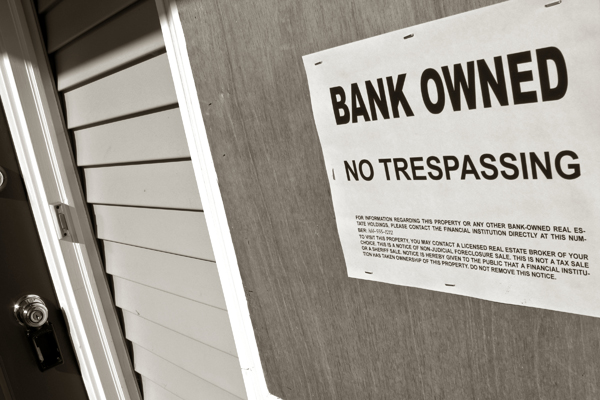
In real estate, few situations can be as challenging as facing foreclosure. Foreclosure happens when someone borrows money and uses their property as a guarantee but then stops making payments. The lender, who gave the money, tries to get their money back by selling the borrower's property.
In the context of homeownership, this means the possibility of losing one's home.
Understanding the California foreclosure process is not just crucial for those living in the Golden State, but also for students in real estate license school who are preparing to assist clients facing foreclosure or those interested in purchasing foreclosed properties. I wanted to write an article to delve into California's non-judicial (common) and judicial (super-rare) foreclosure processes, offering insights into what homeowners and real estate agents can anticipate during each step.
While this article can’t possibly cover every edge case or scenario, it serves as a starting point to help you learn about these concepts. This applies whether you're trying to avoid foreclosure, thinking about buying a foreclosed property or guiding a client through this challenging time.
Legal Framework for Foreclosure in California
Understanding the foreclosure process in California necessitates a look into its legal framework. The state's foreclosure proceedings are primarily governed by the California Civil Code 2924, which outlines the procedures lenders must follow when borrowers default on their mortgage payments.
The California foreclosure process falls into two categories: non-judicial and judicial foreclosures. Non-judicial foreclosures (as the name implies) occur outside of court, the most common type in California. The lender can initiate this process if the promissory note and deed of trust include a "power of sale" clause, permitting them to sell the property to recoup the outstanding loan balance following a default.
On the other hand, judicial foreclosures, though less common, involve a court proceeding. In this case, the lender files a lawsuit against the borrower to recover the unpaid mortgage balance. Understanding these two types of foreclosure processes is not only crucial for managing foreclosure situations effectively, but it also forms a critical part of the real estate exam that aspiring professionals must pass. In the following sections, I will delve into each process separately, providing a step-by-step overview of what homeowners and real estate professionals can expect.
III. Non-Judicial Foreclosure Process
Non-judicial foreclosure is the most common type of foreclosure in California, and it doesn't involve court action. This process is usually used when a power of sale clause exists in a mortgage or deed of trust. Here's a brief overview of the steps involved:
Notice of Default: If a borrower fails to make payments for a certain period, the lender may record a Notice of Default at the County Recorder's Office. The borrower is then sent a copy within ten days, initiating the non-judicial foreclosure process.
Notice of Trustee's Sale: If the borrower does not pay the default amount or negotiate a resolution within about three months, a Notice of Trustee's Sale is recorded. The borrower has 21 days before the home can be sold.
Trustee's Sale: If the borrower still hasn't remedied the default, the property is auctioned to the highest bidder, who must pay in cash.
Eviction: If the property is sold, the new owner obtains the right of possession and can begin eviction proceedings if the borrower does not vacate voluntarily.
Remember, the non-judicial foreclosure process has no right of redemption following the trustee’s sale and the sale is final.
IV. Judicial Foreclosure Process
While less common in California, a judicial foreclosure process comes into play when a mortgage does not include a 'power of sale' clause. It involves court proceedings and provides the borrower with a statutory right of redemption. Here are the main steps:
Filing of Lawsuit: The lender initiates the judicial foreclosure process by filing a lawsuit against the borrower in a California court. The borrower is served with a summons and complaint, and they have the opportunity to respond.
Court Judgment: If the borrower does not respond or loses the case, the court issues a judgment in favor of the lender, including the total amount owed and permission for the lender to sell the property.
Sale of the Property: The property is then sold at a public auction. The highest bidder takes ownership, often needing to pay in cash on the spot.
Right of Redemption: In a judicial foreclosure, the borrower has a statutory right of redemption, allowing them to reclaim their property within a certain period post-sale by paying the total sale price plus additional costs.
Eviction: If the property is sold and the previous owner does not exercise their right of redemption, the new owner can start eviction proceedings to remove the former owner from the property.
Understanding the judicial foreclosure process helps homeowners and real estate professionals to navigate these complex proceedings better.
V. Foreclosure Timeline in California
In California, the foreclosure timeline can vary greatly depending on whether it's a non-judicial or judicial foreclosure. I’m going to break down each process to provide an estimated timeline.
Non-Judicial Foreclosure Timeline: The non-judicial foreclosure process can take approximately 120 days. It begins with a Notice of Default, recorded after a borrower defaults on their mortgage payment. The borrower has roughly three months (90 days) to pay the overdue amount. If the borrower cannot rectify the situation within these 90 days, the lender will record a Notice of Trustee's Sale. The property can be auctioned 21 days after the Notice of Trustee's Sale is recorded. However, remember that many lenders delay the process, and it could take several months to a year or longer from the initial default.
Judicial Foreclosure Timeline: A judicial foreclosure is typically much longer than a non-judicial foreclosure, often taking more than a year. The process begins with the lender filing a lawsuit, and the timeline then depends on court schedules and the length of time it takes to serve the borrower. If the court rules in favor of the lender, the property is sold at a public auction. Following the sale, the borrower has a right of redemption that may last one year, during which they can pay the total amount owed to reclaim their property.
Factors Affecting the Foreclosure Timeline: Several factors can lengthen the foreclosure timeline, including:
Legal Challenges: If a borrower contests the foreclosure, the process can be delayed significantly, particularly in the case of a judicial foreclosure.
Lender's Discretion: Lenders often have a backlog of foreclosures and might wait to immediately file a Notice of Default after a borrower misses several payments.
Loan Modification or Short Sale: If the borrower works with the lender to modify the loan or sell the property via a short sale, the lender may delay the foreclosure process.
Understanding the typical timelines and potential delays can assist homeowners and real estate professionals to navigate and plan accordingly during a foreclosure.
VI. Borrower's Rights and Protections
In California, borrowers have several rights and protections when facing foreclosure. Importantly, they have the right to be notified appropriately at every step of the foreclosure process, ensuring ample time to react or challenge the process. Additionally, they can attend and participate in the foreclosure sale. If a judicial foreclosure process is followed, borrowers have a statutory 'right of redemption,' allowing them to reclaim their property after the foreclosure sale.
Facing foreclosure is a challenging ordeal, but there are alternatives to explore:
Loan Modifications: Borrowers can negotiate with their lender to modify their loan terms, possibly reducing the monthly payments to a more manageable amount.
Short Sales: If the home's market value is less than the outstanding mortgage balance, borrowers can work with the lender to sell the house at a price lower than the balance due and forgive the remaining debt.
Deeds in lieu of foreclosure: As a last resort, borrowers can voluntarily transfer property ownership to the lender to satisfy the loan and avoid foreclosure.
Exercising these rights and options can help homeowners navigate the tricky waters of foreclosure, potentially avoiding it altogether. Knowledge is power; knowing your rights and options can make a significant difference when dealing with a possible foreclosure.
VII. Impact of Foreclosure
A foreclosure can have long-lasting impacts on a homeowner's financial situation and the community. For the homeowner, foreclosure negatively affects their credit score, making it more challenging to secure loans in the future. The foreclosure remains on the credit report for seven years and could lower the score by 85 to 160 points, according to Equifax. Furthermore, the ability to purchase a new home is affected; generally, a borrower must wait a while after a foreclosure to qualify for a new conventional mortgage.
The impacts extend beyond individual homeowners to the community and real estate market. Foreclosures can lead to decreased property values in the surrounding area, mainly if multiple foreclosures exist in the same neighborhood. The property often sits vacant for a time, potentially leading to neglect and disrepair. These circumstances can destabilize communities and reduce the area's appeal to potential buyers.
While the impacts of foreclosure are severe, awareness of these consequences can motivate homeowners to seek help early in the foreclosure process and explore options to avoid it.
Navigating the choppy waters of foreclosure can be overwhelming, but having a comprehensive understanding of the process can make the journey more manageable. I’ve discussed the California foreclosure process, explaining both non-judicial and judicial foreclosures and highlighting the vital legal framework in California that guides these processes. You also know about the typical timelines and potential delays and the rights and protections available to borrowers, including alternatives such as loan modifications, short sales, and deeds in lieu of foreclosure.
Remember, foreclosure can significantly impact a homeowner's credit, future homeownership opportunities, and the broader community and real estate market. Thus, it's essential to explore all options to mitigate these impacts.
Facing foreclosure is a complex process filled with legal intricacies, and every situation is unique. That's why seeking professional advice is essential when dealing with a potential foreclosure. Real estate professionals, credit counselors, and legal advisors can provide invaluable assistance, helping homeowners understand their options and make informed decisions.
Foreclosure is a challenging road, but with knowledge and the right support, homeowners can navigate this process more confidently, potentially finding alternatives to alleviate the situation.
As always, if you are interested in getting your real estate license, visit www.adhischools.com or call us at 888-768-5285.
Love,
Kartik
|

Whether you're a first-time homebuyer, a student at our real estate school, or a professional within the real estate industry, trust and transparency are critical factors in your interactions and transactions. Read more...
Whether you're a first-time homebuyer, a student at our real estate school, or a professional within the real estate industry, trust and transparency are critical factors in your interactions and transactions. An essential component of this transparency is the real estate license number. Every licensed real estate professional is issued a unique identifier: a license number. This number is not merely an administrative detail but a tool to uphold professionalism and instill confidence in the industry.
Looking up a real estate license number is an extra step in an already complex process. However, it's a task that carries significant importance. Firstly, it allows clients to verify the credentials of a real estate professional, ensuring that they are dealing with a licensed individual with the necessary training and competence. This can help protect clients from fraudulent practitioners or those who don't have the necessary credentials.
Additionally, for real estate professionals, verifying a license number can provide insight into a colleague's professional background and standing, such as any disciplinary actions taken against them. It fosters accountability within the profession and is an essential part of due diligence in transactions like referrals and collaborations.
In essence, checking a real estate license number is a straightforward measure that enhances trust and transparency. It's an essential step in ensuring the legitimacy of interactions in real estate. As we delve deeper into this topic, we will explore what a real estate license number is, how to look one up, and why this simple check can significantly impact your real estate journey.
Understanding What a Real Estate License Number Is
A real estate license number is a unique identifier, much like a badge of legitimacy, assigned to each real estate professional who has successfully passed their real estate exam and received licensing from their state's regulatory body. This distinct number serves as proof of a professional's eligibility to conduct real estate transactions within their respective state. This applies to various roles in the industry, whether one is a real estate broker, an agent, an appraiser, or any other certified professional in the field.
However, a real estate license number provides more than proof of licensure. It is a gateway to a wealth of information about the professional's background and track record. When you look up a real estate license number, you can typically find details such as:
The licensee's full name.
The licensee's professional standing (whether active, inactive, or retired licensee).
The license status (whether it's current, expired, suspended, or revoked).
Any disciplinary actions taken against the licensee by the regulatory body.
The dates of issue and expiration of the license.
The licensee's areas of specialty or additional certifications.
Details of the licensee's affiliated brokerage, if applicable.
It's important to note that the specific details accessible can vary between states, as each state's regulatory body may have different rules and regulations regarding the transparency of license information.
Understanding and using this information effectively can help you make informed decisions in your real estate transactions. Whether you're confirming an agent's credentials, considering hiring, or verifying the standing of a peer, understanding what a real estate license number is and the information it provides is a key step in confidently navigating the real estate landscape.
Situations When You Might Need to Lookup a Real Estate License Number
You should look up a real estate license number in several situations. Here are some common scenarios:
Hiring a Real Estate Agent or Broker: If you're a client preparing to embark on a real estate transaction, hiring a licensed professional to guide you is essential. Looking up their real estate license number allows you to verify their standing, check for any disciplinary actions, and ensure they can legally assist with your real estate needs. It provides a level of reassurance about the professional's qualifications and credibility.
Verifying a Professional's Credentials: In some instances, you may need to confirm the credentials of a real estate professional. For example, suppose you're another real estate agent considering a partnership or a client looking for specialist services. In that case, you should check whether the professional holds the necessary certifications or specialties.
Filing a Complaint: Unfortunately, there might be circumstances when you're unsatisfied with a real estate professional's service, suspect malpractice, or need to resolve a dispute. In these cases, you would need the real estate license number to file a formal complaint with the relevant state licensing board. The licensing board uses the number to identify the individual involved and investigate the matter appropriately.
Conducting Due Diligence: For professionals involved in complex transactions, such as real estate lawyers or investors, looking up a license number may be necessary in their due diligence process. This process can help verify the identities and credentials of all involved parties, ensuring compliance with legal requirements.
For Journalism or Research Purposes: Journalists, researchers, or anyone conducting a study on real estate markets might need to look up real estate license numbers to gather information for their projects. License information can provide valuable insights into market trends, regulatory compliance, or professional demographics.
Looking up a real estate license number can serve various purposes, all centered around ensuring credibility, accountability, and transparency within the real estate industry. It's a simple yet effective tool for safeguarding the interests of all parties involved in real estate transactions.
Step-by-Step Guide on How to Lookup a Real Estate License Number
Looking up a real estate license number is usually a straightforward process - far easier than finding out who owns a particular property. However, please note that the specifics might vary slightly from state to state due to differences in real estate regulations and the design of each state's real estate commission website. Here's a general guide on how to do this:
Identify the Relevant State Real Estate Commission Website: Each state has its own Real Estate Commission or similar regulatory body overseeing real estate professionals' licensing. You must visit the appropriate website for the state where the real estate professional is licensed. A simple Google search using the state's name and "Real Estate Commission" should help you find the right site.
Navigate to the 'License Lookup' Section: Once on the state's real estate commission website, look for the 'License Lookup,' 'Verify a License,' 'Licensee Search,' or a similarly named feature. This feature is typically easy to find and is often located in a prominent place on the website's homepage or under a 'Public Resources' or 'Consumer Tools' tab.
Enter the Necessary Information: In the license lookup section, you'll typically see fields where you can enter information about the licensee. This could be the person's name, the company's name, or the license number itself if you have it but want to verify its validity. Fill in as much information as you can to facilitate the search.
Conduct the Search: Once you've entered the required information, hit the 'Search' or 'Submit' button to start the search. The system will then scan its database for the relevant details.
Review the Results: The search should return a summary of the professional's license status, including their full name, license number, status (active, inactive, expired, or suspended), any specialty licenses, and possibly even any disciplinary actions taken against them.
This general process should help you look up a real estate license number. Remember that the importance of verifying the license number lies in ensuring the credibility of the real estate professional you are dealing with and maintaining transparency in all real estate transactions.
How to Lookup a Real Estate License Number by State
While the overall process of looking up a real estate license number is essentially the same across the United States, there are slight differences in how each state's regulatory commission's website operates. Here, we will provide an overview of how to search for a real estate license number in three of the most populous states: California, Texas, and Florida.
California
Visit the California Department of Real Estate's License lookup page.
Enter the individual or company's name, license ID, or the city they are located in.
Click the 'Find' button to view results, which include the license number, status, and expiration date.
Texas
Go to the Texas Real Estate Commission's License Holder Lookup page.
Enter the person or company's name or the license number if you verify it.
Click 'Search' to view results, displaying the license number, type, status, and any disciplinary actions taken.
Florida
Visit the Florida Department of Business and Professional Regulation's Licensee Search page.
Please enter the name, city of the individual, business, or license number.
Click 'Search' to display results, including the license number, status, and the licensee's address.
In each case, having the correct name or license number will make your search more accurate. Also, note that the information available may vary based on privacy laws in each state. Always cross-check and verify information obtained through these searches to maintain accurate and ethical business practices.
What to Do if There Are Issues or Discrepancies
In the world of real estate, credibility and trustworthiness are paramount. If you encounter any issues or discrepancies when looking up a real estate license number, it's essential to address these concerns promptly. Here's what you should do:
Reverify the Information: Mistakes happen, and they can be as simple as a typographical error. Double-check the details you've entered if a license number appears invalid or brings up unexpected results. Ensure there's no misspelling in the name or error in the license number.
Check with Other Sources: If you continue to encounter issues, try to verify the license number through different means. You could ask the real estate professional to provide more proof of their licensure or contact their brokerage.
Contact the Relevant Real Estate Commission: If discrepancies persist, contact your state's real estate commission or the licensing authority where the agent is supposed to be licensed. They can provide further assistance and confirm the license status. Make sure to provide all relevant details to help them expedite the process.
Report any Concerns: If your inquiry reveals a person practicing real estate without a valid license, it's essential to report this to the relevant authorities. Unlicensed practice is a serious offense and can harm unsuspecting clients and tarnish the reputation of the real estate industry.
Remember, every licensed real estate professional must operate transparently, and any reluctance to share license details should be a red flag. Taking these steps will protect you and contribute to maintaining the integrity of the real estate industry.
Navigating the real estate landscape requires understanding market trends and recognizing the importance of trust and transparency. One significant way of establishing this is by verifying real estate license numbers. This simple yet crucial step can play a pivotal role in building professional relationships based on trust, be it with your clients, colleagues, or other stakeholders in the industry.
Looking up a real estate license number is a protective measure, ensuring that you are dealing with a certified professional recognized by the governing real estate bodies. It assures the authenticity and credibility of the real estate professional you are engaging with, whether hiring an agent, verifying credentials, or filing a complaint.
Moreover, it plays a key role in maintaining the integrity and professionalism of the real estate industry. By being diligent and proactive in these verifications, we contribute to an industry standard where transparency is the norm, not the exception.
So whether you're a buyer, a seller, a real estate agent, or someone eyeing a career in real estate, remember that license verification is a small step that goes a long way in ensuring fair and honest real estate transactions. Keep the guide above handy, and make the most of the resources available to you, confirming your journey in the world of real estate is as smooth and secure as possible.
As always, if you are interested in taking real estate courses visit www.adhischools.com or call us at 888-768-5285.
Love,
Kartik
|
The oldest recorded tax records, around 8,000 years ago, were in the form of tablets found in the city-state of Lagash near modern-day Iraq.
This tax system Read more...
The oldest recorded tax records, around 8,000 years ago, were in the form of tablets found in the city-state of Lagash near modern-day Iraq.
This tax system was said to be based on a time-based rotating system to make tax collection more manageable befor
|
In the complex and rapidly evolving world of real estate, having the correct information at the right time can make all the difference.
In our great real Read more...
In the complex and rapidly evolving world of real estate, having the correct information at the right time can make all the difference.
In our great real estate business, if you are involved in the real estate sector, your role might be that of an agent
|

Entering the world of real estate as a professional can be both exciting and daunting. The dynamic landscape offers numerous possibilities, but the thought of choosing a broker can be daunting. There Read more...
Entering the world of real estate as a professional can be both exciting and daunting. The dynamic landscape offers numerous possibilities, but the thought of choosing a broker can be daunting. There are so many choices out there ranging from a team structure, to an independent company or even a national franchise - there are no shortage of options.
When it comes to commission splits, the 100% commission model stands out for its distinct structure and potential benefits among the available options. This model promises an attractive deal: the agent takes home their entire commission, hence the name '100% commission'. But like any other model, there are pros and cons.
As many of our readers are either enrolled in real estate license school or considering enrolling in license school I wanted to explore the nuances of 100% commission brokerages and assess whether it's the right choice for new professionals aiming to make their mark in our great real estate business.
In theory, a 100% commission brokerage allows agents to keep all their commission from a transaction. In other words, when an agent working under this model closes a deal, they retain the entire commission, hence the term '100% commission'. It’s important to read the fine print before joining such a company, however as sometimes “100%” isn’t really “100%”. Although some brokers may brand their compensation plans “100%” they can involve a nominal flat fee per transaction or a monthly or annual fee that the agent pays the brokerage rather than a commission percentage.
This starkly contrasts the traditional brokerage model, where an agent's commission is split between the agent and the brokerage. In a traditional model, the split is often a fixed percentage. It may range from a 50/50 split to a 90/10 split, depending on the agent's experience level, the brokerage's policies, and market standards. In a traditional brokerage model, the agent could take home anywhere from 50% to 90% of the commission from a transaction.
A simple example can illustrate the difference. If an agent closes a deal that generates a gross commission income (GCI) of $20,000 in a 100% commission model, the agent could keep the entire $20,000 (minus any flat fees or other costs associated with the brokerage). However, in a traditional 70/30 split model, the agent might take home let’s say $14,000, with the remaining $6,000 going to the brokerage.
This might seem like a no-brainer for the agent, but like anything there are pros and cons for the real estate professional in an environment like this.
The Downside of 100% Commission Brokerages
While 100% commission brokerages have gained traction for their potential benefits, they're not without their pitfalls. It's crucial to weigh these cons against the pros when deciding whether this model is right for you. Here, we'll explore some potential downsides of working with a 100% commission brokerage.
1. Lack of Support
One common criticism of 100% commission brokerages is the perceived lack of support. In traditional brokerages, part of the commission split often goes toward administrative support, training, and office resources. These brokerages might provide agents with access to a physical office, marketing materials, continued education, and more. In contrast, 100% commission brokerages typically operate on a leaner model, and you might find yourself largely on your own.
2. Hidden Costs
While keeping 100% of your commission can sound appealing, it's crucial to remember that this figure might only account for some costs. Some 100% commission brokerages charge a transaction fee per sale or even recurring monthly or annual fees. You should also account for costs related to errors and omissions insurance, marketing materials, and other business-related expenses. Therefore, it's essential to factor these into your calculations when determining potential earnings.
3. Less Structured Environment
The increased autonomy that comes with a 100% commission brokerage can be a double-edged sword. For some, this independence is liberating; for others, a less structured environment might lead to reduced motivation and productivity. Some agents may need the structure and community of a traditional office setting to stay focused and motivated.
4. Not Ideal for Newer Agents
Although the flat-fee model can be attractive to new agents from a financial perspective, the lack of support and guidance can make it a challenging environment for those just starting out. New agents often benefit from mentorship, training, and hands-on support to help them navigate the industry's complexities after they pass the real estate exam. With these resources, newer agents may find it easier to succeed.
5. Misleading "100% Commission" Terminology
Finally, it's worth noting that the term "100% commission" can be somewhat misleading. As noted earlier, this model's various fees and costs mean that agents rarely take home the full 100% of their commission. Understanding this can help manage expectations and make a more informed decision about whether this model is the right fit.
While the 100% commission model can offer significant benefits, it's essential to consider its potential downsides. Whether you're a seasoned pro or a newcomer to the industry, understanding these cons will help you decide and choose a brokerage model that aligns with your career goals and working style.
The Upside of 100% Commission Brokerages
In the fast-evolving real estate landscape, alternative brokerage models have begun to challenge traditional business methods. Let's talk about the promising upside of this model, as it holds potential to revolutionize an agent's income and autonomy in their real estate journey.
1. Greater Income Potential
The most obvious advantage of the 100% commission model is the potential for higher income. Agents can maximize their earnings from every transaction by keeping the entire commission minus a nominal flat fee. This approach can be incredibly lucrative for high-performing agents who complete many transactions.
2. Predictability and Transparency
One of the often-overlooked benefits of the 100% commission model is its simplicity. With a fixed fee structure, agents know upfront what their expenses will be, making it easier to budget and plan for the future. This clear-cut approach provides a sense of predictability and transparency that can be comforting in an industry often characterized by uncertainty.
3. Flexibility and Control
100% commission brokerages give agents more autonomy and control over their business. This independence allows agents to be more innovative with their marketing strategies and business plans, adjusting as they see fit without additional brokerage interference. This flexibility can lead to more effective personal branding and, consequently, better business growth.
4. Competitive Service Offering
Lastly, the 100% commission model allows agents to offer their clients competitive pricing in a crowded marketplace, possibly attracting more clients and driving more business.
Is the 100% Commission Model Right for a Newer Real Estate Agent?
Navigating the world of real estate can be complex for a novice agent, fresh from our real estate school. For new real estate professionals, the 100% commission model might seem appealing on the surface, but it's essential to understand what this model entails and if it truly aligns with your needs and career goals.
As mentioned earlier, 100% commission brokerages offer the allure of significant earning potential, allowing agents to retain the majority, if not all, of their commission. This can be especially enticing for those who are just starting and are keen on maximizing their income.
However, the primary challenge for newer agents under this model is more support and mentorship. Traditional brokerages often provide comprehensive training and resources that are beneficial for agents building their skills after passing the real estate exam. These resources can include hands-on training, marketing assistance, and access to experienced agents who can provide guidance and advice. The absence of these support structures in many 100% commission brokerages can make the initial stages of a real estate career more challenging for newer agents.
Furthermore, while the potential to earn 100% commission can be attractive, new agents need to remember that various expenses, such as transaction fees, marketing costs, and insurance often offset this. These expenses can add up and put financial pressure on agents, particularly those who are still trying to establish themselves in the industry and secure consistent transactions.
There is also the aspect of self-discipline and motivation. The high level of autonomy in a 100% commission model requires a substantial amount of self-direction. With the structured environment provided by traditional brokerages, some new agents might be able to maintain their momentum, especially during challenging periods.
So while the 100% commission model can offer greater income potential, it comes with challenges that may prove difficult for newer agents to navigate. It's vital for new agents to consider these factors and seek out a mentor or network of experienced agents for guidance. As with any career decision, it's all about finding the right fit for your goals, working style, and needs.
Becoming a real estate professional is filled with many decisions, and choosing the right brokerage model is an important decision. It's critical to remember that there is no one-size-fits-all solution - each model has its own unique characteristics and considerations. The 100% commission model, with its allure of potentially higher earnings and autonomy, is no exception.
It offers numerous advantages, including greater income potential, predictable and transparent fee structures, and more control over one's business. These benefits can be particularly appealing for seasoned agents with a solid client base and comfortable navigating the industry independently. For them, this model can be a financially rewarding alternative to the traditional commission split model.
As discussed, this model also has its challenges. The often-overlooked costs and the absence of supportive resources can pose hurdles, particularly for newer agents just starting their journey after real estate school. The lack of structured environment poses a challenge to maintaining motivation and discipline, crucial components for success in this industry.
Moreover, the decision should not be based solely on financial considerations. Agents, particularly those new to the industry, should also consider the level of support, mentorship, and resources they may need as they build their skills and client base. In this aspect, the traditional brokerage model with its training programs and support structures can often be more suitable for newly minted agents aiming to make their mark in the industry.
Ultimately, whether the 100% commission model is the right fit will depend on the individual agent's career goals, personal work style, and needs. It's critical to weigh the potential income benefits against the need for support, training, and resources. Agents considering this model should fully understand what it entails, assess their own needs and abilities, and seek advice from experienced professionals in the industry.
This decision marks one of the many milestones in the exciting journey of becoming a real estate professional. Choose wisely, as the right brokerage can pave the way for a rewarding and successful career in real estate - or not.
As always, if you are considering taking real estate license courses with us, visit www.adhischools.com or call us at 888-768-5285.
Love,
Kartik
|
The beginning of any career is crucial, but this is especially true for real estate agents. A
strong start sets the stage for long-term success, establishing Read more...
The beginning of any career is crucial, but this is especially true for real estate agents. A
strong start sets the stage for long-term success, establishing credibility and building
momentum.
|
The real estate industry offers a wide range of career opportunities. Many roles within our great industry will require you to get a real estate license and pass the real estate exam, but some still need Read more...
The real estate industry offers a wide range of career opportunities. Many roles within our great industry will require you to get a real estate license and pass the real estate exam, but some still need to
|
A foreclosed home is a property repossessed by a lender, typically a bank, due to the homeowner's inability to meet their mortgage obligations. When a borrower fails to make timely mortgage payments, Read more...
A foreclosed home is a property repossessed by a lender, typically a bank, due to the homeowner's inability to meet their mortgage obligations. When a borrower fails to make timely mortgage payments, the le
|

The holiday season might not seem ideal for your client to sell a home (or for you to take a listing, for that matter), but there are numerous advantages to listing a property during this festive time Read more...
The holiday season might not seem ideal for your client to sell a home (or for you to take a listing, for that matter), but there are numerous advantages to listing a property during this festive time of year. While this isn't a specific topic in real estate school nor discussed on the California real estate exam, I'd like to give you several convincing reasons why doing business during the holiday season is a wise decision. For some real estate agents, December can be a “slower month,” but it doesn’t have to be. Plenty of listings and sales can be had if you don’t “check out” of the business mentally.
One other thing to keep in mind, as a real estate professional, there is a 30-60 day lag on income compared to activity. This means that if you don’t sell anything in December, it will reflect poorly on your income from January through March. Similarly, if you struggle financially in December, this is a consequence of your activities in September and October.
Serious Buyers and Higher-Quality Showings Happen Over the Holidays
To start, people searching for homes during the holiday season are typically serious buyers with a specific need to purchase a property and likely quickly. You should have higher-quality showings and more motivated buyers interested in your listing. Logically, a buyer not genuinely interested in buying a property is unlikely to spend time touring various homes during the holidays with a buyer's agent. Therefore, when you put a house on the market during the holiday season, you can have a higher degree of confidence that potential buyers viewing your property are genuinely serious about making a purchase.
Less Competition and Higher Sale Prices
Less competition from other sellers typically means a higher sale price for your listing. Because inventory levels tend to be slightly lower during the holiday season, serious buyers have fewer houses to choose from, which means less competition for your listing. This can translate into a higher sale price, as your home will stand out among the limited options available.
Homes Show Better with Holiday Decorations
Houses also show better when decorated for the holidays. By working with your seller to tastefully adorn your listing, you can create an emotional connection with potential buyers, who will more easily envision themselves celebrating future holidays in your space. This might also mean you’ll have some passionate buyers willing to pay your price. Don’t be afraid to tug on the heartstrings of buyers walking through your open house around the holiday time - bake aromatic cookies in the oven or light that special holiday candle. Love does enter through the nose, after all!
Buyers Have More Time to House Hunt
Remember that there are other reasons why selling real estate during the holidays is better than any other time of the year. During the holiday season, many buyers have additional time off work, allowing them more opportunities to search for their perfect home, which could increase the number of showings your listing gets.
It's often easier for a buyer to sneak out of work during the holidays to go see your listing than at other busier times of the year.
Tax Advantages for Buyers
Also, some buyers need to purchase before the end of the year for tax reasons, making them more motivated to close on a property quickly. The reason is that buying a property before the end of the year can allow buyers to claim certain tax deductions in the current tax year. For example, mortgage interest, property taxes, and points paid on a mortgage may all be deductible expenses. Buyers can maximize these deductions and reduce their overall tax liability by closing on a property before the year-end.
Of course - tell your buyers to consult with their tax advisors to be sure.
Possible Tax Credits for First-Time Homebuyers
Tax Credits: Some jurisdictions offer tax credits to first-time homebuyers or buyers who purchase energy-efficient properties. Closing on a property before the end of the year may allow buyers to claim these credits in their current tax return, which may result in a lower tax bill or a larger refund.
Capture the Relocating Employee Market
January is a popular month for employees starting new jobs. Transferees often can't wait until spring to buy, so listing during the holiday season ensures your home is available to this motivated market segment.
Still Maintain Control Over Showings
While your home is on the market during the holiday season, you can still restrict showings during specific days to maintain your family's privacy and enjoy the festivities. Communicate with your real estate agent about your preferred showing schedule, and they can work with potential buyers to accommodate your needs while ensuring maximum exposure for your property.
Maximize Buying Power in Spring
Selling your home during the holiday season can position you as a non-contingent buyer in the spring when more houses are available at potentially lower prices. This strategy may allow your client to sell high and buy low, maximizing their buying power.
Faster Closing Process
Since the holiday season is typically a slower period for real estate transactions, lenders and other professionals involved in the closing process may have more availability. This can lead to a smoother and faster closing process, allowing your client to move into their new home sooner.
Enhanced Online Visibility
With the growing importance of online listings and virtual tours, especially during the holiday season, homes listed during this period can benefit from enhanced online visibility. Buyers are more likely to search for properties online during the holidays. A well-presented listing with professional photos and virtual tours can make a strong impression on potential buyers.
Taking a listing during the holiday season may seem unconventional, but the numerous benefits – including serious buyers, less competition, tax advantages, and more – make it an attractive option. You may have already completed our real estate school and passed the California real estate exam, now you need to be well-equipped to navigate the holiday market and achieve the best possible outcome for your seller.
So, instead of waiting for the spring season, consider taking advantage of these compelling reasons to list your client's home during the holiday season and make it a win-win situation for everyone involved.
PS - Keep working through the holidays! Your February self will thank you for it!
As always, if you are interested in taking real estate classes, visit www.adhischools.com
Love,
Kartik
|

Sometimes, homeowners need money to fix their house, pay off debt, or handle emergencies. They can get this money through Home Equity Lines of Credit (HELOCs) or Home Equity Loans. Both options let homeowners Read more...
Sometimes, homeowners need money to fix their house, pay off debt, or handle emergencies. They can get this money through Home Equity Lines of Credit (HELOCs) or Home Equity Loans. Both options let homeowners borrow money based on their home's value, but they have different interest rates, ways to pay back, and flexibility. This blog will discuss the differences between HELOCs and Home Equity Loans, their pros and cons, and when to choose each one.
This information can benefit those preparing for their real estate exam or attending an online real estate school.
What is a Home Equity Loan?
A Home Equity Loan allows homeowners to borrow a set amount of money using their home's value and equity (as the name implies). They pay it back with the same interest rate and payment for up to 30 years. This loan can be used to fix the house, pay off debt or for other reasons. Home Equity Loans are great for homeowners who know how much money they need and want to make the same payment every month. Keep this in mind if you are seeking a California real estate license or attending a real estate crash course so you can have intelligent discussions with your clients.
Pros of a Home Equity Loan:
• Fixed interest rate and monthly payments.
• Receive the entire loan amount at once.
• Some lenders don't charge additional fees.
• Loan payments might be tax-deductible if used for home improvements.
Cons of a Home Equity Loan:
• You must know the exact amount of money needed.
• Need sufficient home equity to qualify for the loan (usually 15-20%).
• Risk of losing the home if payments are not made.
• If the home's value decreases, homeowners might owe more than the home is worth.
What is a Home Equity Line of Credit (HELOC)?
A Home Equity Line of Credit (HELOC) is similar to a credit card but tied to the equity in your house. You can use the money when needed and pay it back when possible. The amount of money you can borrow and the amount you have to pay back every month can change.
Pros of a HELOC:
• Only pay interest on the amount used.
• Can borrow and repay funds as needed.
• Some HELOCs allow converting to a fixed-rate payment.
• It can be used as an emergency fund.
Cons of a HELOC:
• Variable interest rates may lead to higher payments if rates increase.
• There might be annual fees or prepayment penalties.
• Risk of losing the home if the line of credit is not repaid.
Choosing Between a HELOC and a Home Equity Loan
When choosing between a HELOC and a Home Equity Loan, consider what you need the money for and how you want to pay it back. A Home Equity Loan is better if you know exactly how much money you need and want fixed payments that won't change. A HELOC is better if you want to access funds as needed and are okay with fluctuating payments. These concepts are crucial for students in online real estate schools or those preparing for their real estate exam.
History of HELOCs and Home Equity Loans
HELOCs and Home Equity Loans have been popular borrowing options since the 1980s. They became famous as the housing market grew and home values increased. Over time, lenders have adapted these products to serve borrowers' needs better, making them valuable topics for those pursuing a California real estate license or attending a real estate crash course.
Understanding Why People Take Out Home Equity Loans
Introduction
A home equity loan is a type of loan where homeowners borrow money using the value of their house as a guarantee. This loan can help people get the cash they need for various reasons, like paying for significant expenses or improving their house. In this article, we'll explain why people take out home equity loans and how they can be helpful in simple terms.
Home Improvements and Repairs
One of the main reasons people take out home equity loans is to pay for improvements or repairs to their house. When you make your house better, it usually becomes worth more money. Using a home equity loan to improve your home can be smart because it can help you increase your home's value in the long run.
Debt Consolidation
Sometimes, people have a lot of different debts, like credit card bills, car loans, or student loans. These debts can have high-interest rates, making it hard to pay them off. A home equity loan can help people use the money from the loan to pay off their other debts. This way, they only have one loan to repay, which usually has a lower interest rate than their other debts.
1. Lower Interest Rates: One of the primary reasons homeowners use a HELOC for debt consolidation is because it typically offers lower interest rates than other borrowing forms, such as credit cards or personal loans. By consolidating high-interest debts with a lower-interest HELOC, homeowners can save money on interest payments over time.
2. Tax Benefits: Sometimes, the interest paid on a HELOC may be tax-deductible if the funds are used for specific purposes, such as home improvements. This tax benefit can make using a HELOC for debt consolidation even more attractive for homeowners.
3. Simplified Payments: When homeowners consolidate multiple debts into a HELOC, they can simplify their monthly payments. Instead of managing and paying several monthly bills, they only have to make one payment towards the HELOC. This can make managing finances more manageable and less stressful.
4. Flexible Access to Funds: A HELOC is a revolving line of credit, meaning homeowners can borrow and repay funds as needed during the draw period. This flexibility can be helpful for debt consolidation, as homeowners can use the HELOC to pay off their debts and repay the HELOC at their own pace.
5. Longer Repayment Terms: HELOCs often have longer repayment terms than other credit forms. This can result in lower monthly payments, making it easier for homeowners to manage their debt and budget.
6. Potential for Improved Credit Score: By consolidating high-interest debt using a HELOC, homeowners can lower their credit utilization ratio, which is the amount of debt they have compared to their available credit. A lower credit utilization ratio can improve credit scores over time.
Paying For Education
Education can be expensive, whether it's for yourself or your kids. Some people use home equity loans to help pay for college or other types of schooling. This is a good option because the interest rates on home equity loans are lower than other loans or credit cards.
Emergency Expenses
Sometimes, unexpected things happen, like a medical emergency or job loss. When people need money quickly, a home equity loan can be helpful. Because the loan uses the house's value as a guarantee, banks are more likely to approve the loan quickly.
Funding a Business or Investment
Starting a business or investing can be an excellent way to make money. However, you usually need some money to get started. A home equity loan can help people get the cash they need to create a business or make an investment, and if the investment pays off, it can be a smart financial move.
Understanding the differences between HELOCs and Home Equity Loans can help homeowners make informed decisions about leveraging their home's equity. By considering the purpose of the funds, the amount needed, and their preferences for repayment and interest rates, homeowners can choose the option that best suits their needs.
Either way, homeowners should be cautious when considering home equity loans, as these loans use their house as collateral. If they fail to make timely payments, they risk losing their home to foreclosure. Additionally, taking on more debt can potentially lead to financial strain and negative consequences if the housing market declines, resulting in owing more than the home's current value. It is essential to carefully assess one's financial situation and consider all options before using home equity loans.
Love,
Kartik
|

Starting a new career in real estate can be exciting and rewarding, but pursuing a real estate license while working a full-time job presents challenges.
Firstly, time management is a significant concern Read more...
Starting a new career in real estate can be exciting and rewarding, but pursuing a real estate license while working a full-time job presents challenges.
Firstly, time management is a significant concern when balancing work with studying for the real estate license exam. Allocating sufficient hours to study and attend classes or training sessions can be difficult amid work, family, and other personal commitments.
Secondly, maintaining focus and motivation can be challenging. After a long day at work, finding the energy and enthusiasm to study (before you get your license) and prospect and work with clients (after you get your license) can be tricky. Furthermore, managing multiple commitments can lead to mental and physical fatigue.
Thirdly, the financial aspects of pursuing a real estate license can be challenging. Obtaining a license involves upfront costs, such as course fees, exam fees, and study materials, which individuals may be hesitant to invest in while supporting themselves and their families through their current job.
Lastly, once working, networking and building a professional reputation in real estate can be difficult when your attention is divided between a full-time job and pursuing a license. Networking events and industry-related activities typically occur during regular working hours, making it hard for those with full-time jobs to attend and establish connections. Clients might want to meet or look at property during the hours of your “real job”.
Even though pursuing a real estate license while working full-time can be challenging due to time management concerns, maintaining focus and motivation, financial considerations, and difficulties associated with networking and establishing a professional reputation with dedication, discipline, and effective time management, aspiring real estate agents can successfully navigate the path to licensure and embark on their new careers.
Here are some tips to help you find the perfect balance between your job and your real estate aspirations:
Create a schedule and set goals
Time management is crucial when juggling a full-time job and pursuing a real estate license. Set aside dedicated time for studying and attending classes. Break down your goals into smaller, achievable tasks, and track your progress regularly.
Set a deadline to get your Real Estate Principles, Real Estate Practice, and Elective course certificates of completion so that you have a goal you’re working toward.
Set another long-term goal for when your license will be issued and another goal for when you will earn your first commission check.
Prioritize your time
When managing a full-time job and a real estate career, it's essential to prioritize your time. Identify and focus on completing the most critical tasks in both areas first. Remember to take breaks and give yourself time to recharge.
Choose a flexible real estate education program
A flexible real estate education program is essential when balancing work and studies like ADHI schools. Look for a program (like ours) that offers online courses, evening classes, or weekend sessions. These options will help you fit your real estate education around your full-time job.
In-person physical real estate classes can pose challenges and limitations for students balancing their education with a full-time job. Firstly, these classes often follow a fixed schedule, which might not align with the student's work hours or personal commitments. Limited flexibility makes it difficult for students to attend classes and consistently keep up with the coursework.
Additionally, commuting to and from physical classes can be time-consuming and costly, especially for those who live far away from the educational institution. This extra time spent traveling could be better utilized for studying or attending to personal responsibilities.
Moreover, physical classes typically have a rigid curriculum and pace, which may not cater to the diverse learning needs of students. Some individuals require more time to understand certain concepts, while others prefer to move faster. In a traditional classroom setting, it can be challenging for instructors to accommodate these different learning styles and needs.
Lastly, in-person classes can be more susceptible to disruptions, such as inclement weather or unforeseen events that might lead to class cancellations. This unpredictability can hinder the student's learning progress and overall experience.
In summary, in-person physical real estate classes can limit students trying to balance work and education due to their inflexible schedules, time-consuming commutes, rigid pace, and potential for disruptions. A flexible program that offers online or alternative class options is better suited for students who need to fit their real estate education around their full-time job.
Utilize your network
Networking is a powerful tool when pursuing a real estate career. Connect with other professionals in the industry and ask for advice. Learn from their experiences and apply their tips to your journey. You can start by reading about the experiences of successful real estate agents, such as those featured in "Things You Should Know Before Becoming A Real Estate Agent". This can shave time off your learning curve.
Stay organized
Staying organized is crucial for managing your time and responsibilities. Use digital tools like calendars, to-do lists, and project management apps to keep track of deadlines, meetings, and study sessions. Stay organized to avoid feeling overwhelmed.
Be patient and persistent
Pursuing a real estate license while working full-time can be challenging, but remaining patient and persistent is essential. Celebrate small achievements and remind yourself of your long-term goals. With dedication, you can achieve success in both your job and your real estate education.
Seek support
Don't hesitate to ask for support from friends, family, or coworkers. During your journey, they can provide encouragement, advice, and a listening ear. You can also join online forums or social media groups, such as those mentioned in "Tips For Real Estate Agents On Social Media", to connect with others in similar situations.
In conclusion, juggling a full-time job while pursuing a real estate license requires dedication, time management, and a robust support system. By following these tips and incorporating valuable resources like "7 Study Tips For Passing Your Real Estate Exam", you'll be well on your way to launching a successful career in real estate.
Love,
Kartik
|

Introduction:
In the competitive world of real estate, securing a California real estate license through our online real estate school is just the beginning. Experienced professionals understand that Read more...
Introduction:
In the competitive world of real estate, securing a California real estate license through our online real estate school is just the beginning. Experienced professionals understand that passing the real estate exam is just the beginning – sometimes, it's in their best interest to walk away from a potential deal. Aspiring agents are often eager to take on any listing, assuming it's a stepping stone to success. In this article, I wanted to write about five instances when a real estate agent should consider declining a listing, illustrated by stories from industry professionals who have navigated the complexities of the California real estate market.
Unrealistic Seller Expectations
In the context of real estate sales and listings, unrealistic seller expectations refer to situations where a property owner has unreasonable or impractical assumptions about the value or marketability of their property. These expectations may include an inflated asking price, an overly optimistic timeline for selling, or a refusal to acknowledge necessary repairs or improvements.
These expectations can make it difficult for a real estate agent to market and sell a property effectively. Potential buyers may be deterred by the high asking price or unwilling to invest in a property that requires significant work. Additionally, these expectations can lead to frustration and strained relationships between the agent and the seller, as the agent struggles to meet the seller's demands or explain the realities of the market. In some cases, it may be in the agent's best interest to decline the listing and avoid the challenges associated with unrealistic seller expectations.
Zillow's Zestimates, an automated home valuation tool, can sometimes cause unrealistic seller expectations and difficulties for property owners during the sale of their home. While Zestimates can provide a general idea of a property's value, they are generated using algorithms that may not always account for unique characteristics, recent upgrades, or current market conditions. Consequently, sellers might overestimate their home's worth based on these potentially inaccurate valuations, leading to inflated asking prices that deter potential buyers. Additionally, when property owners discover the discrepancy between the Zestimate and the actual market value of their home, they may experience disappointment and frustration, complicating the selling process for both the seller and their real estate agent.
Example: A seller, Mr. Smith, insisted that his property was worth $500,000, despite comparable homes in the area selling for around $400,000. After extensive market research, Agent Amy realized that Mr. Smith's expectations were unrealistic and that selling the property at his desired price would be nearly impossible. Instead of taking on the listing and wasting time, energy, and resources, Amy politely declined and suggested that Mr. Smith reconsider his price expectations.
Poor Property Condition
In real estate sales and listings, poor property condition refers to a property with significant defects, damages, or maintenance issues, making it less appealing to potential buyers or requiring extensive repairs or renovations. After passing the real estate exam, agents need to be aware of issues like structural problems, damaged foundations or roofs, outdated or unsafe electrical or plumbing systems, signs of water damage, mold or pest infestations, and a general lack of upkeep that results in a worn or neglected appearance. Understanding these factors is crucial for agents navigating the competitive California real estate market. It helps them decide when to decline a listing that might not be in their best interest.
Obviously, a property in poor condition can negatively impact its marketability as buyers may be hesitant to invest in a home that requires considerable time, effort, and money to bring it up to standard. In some cases, a property in poor condition may need help attracting offers or selling at a significantly lower price than comparable properties in better shape. Real estate agents may only accept listings with good property conditions if the seller is willing to address the issues or adjust the asking price accordingly. The property may be challenging to sell, potentially harming the agent's reputation.
Example: Agent Bob was excited to list a beautiful Victorian home, only to discover that the property was riddled with structural issues, including a crumbling foundation and termite damage. The sellers were unwilling to make the necessary repairs or adjust the asking price to account for these issues. Recognizing that the property would be a hard sell and could damage his professional reputation, Bob decided to walk away from the listing.
Ethical or Legal Concerns
Ethical or Legal Concerns refer to situations where an agent may encounter moral dilemmas, potential violations of the law, or breaches of professional conduct related to the property or the parties involved in the transaction.
Example: Agent Carol was approached by a seller who seemed eager to offload their property as quickly as possible. After digging, Carol learned that the home had a history of illegal activity, and the seller attempted to sell the property without disclosing this information. Carol chose not to take on the listing to protect her integrity and avoid potential legal repercussions.
Uncooperative Sellers
Uncooperative sellers are property owners unwilling or unable to work collaboratively with their real estate agent to market and sell their property effectively. Uncooperative sellers can create a range of challenges for agents, making the sales process complicated, time-consuming, and frustrating. This lack of cooperation can manifest in various ways.
First, uncooperative sellers may refuse to promptly provide the necessary documentation, such as property records, disclosures, or financial statements. This can impede the agent's ability to market the property or negotiate with potential buyers accurately. Delayed or incomplete paperwork can prolong the sales process, leading to missed opportunities and diminishing the chances of securing a successful deal.
Second, uncooperative sellers might prefer to make recommended improvements or repairs to their property. Real estate agents often suggest updates or fixes enhance the property's marketability and increase its value. However, some sellers may be unwilling to invest the time or money required to make these changes, ultimately making it more difficult for the agent to attract buyers and negotiate favorable terms.
Another manifestation of uncooperativeness is the reluctance to accommodate property showings or open houses. These events are crucial for attracting potential buyers and allowing them to view the property in person. Uncooperative sellers may cancel showings at the last minute, impose unreasonable restrictions on viewing times, or be unprepared for scheduled events, all of which can deter interested buyers and hinder sales.
Example: Agent David was excited to list a stunning luxury property but quickly realized that the sellers needed help. They were unresponsive, refused to provide the necessary documentation, and regularly canceled scheduled showings. Recognizing that the sellers' lack of cooperation would make the sales process challenging and inefficient, David decided walking away from the listing was best.
Overwhelmed Schedule
An overwhelmed schedule refers to an agent taking on too many active listings, clients, or responsibilities, resulting in an inability to dedicate adequate time, attention, and resources to each individual client or property. This can lead to diminished quality of service, reduced client satisfaction, and ultimately, a negative impact on the agent's reputation and success.
An overwhelmed schedule might require an agent to turn down a new client for several reasons:
1. Maintaining the quality of service: Real estate agents are responsible for providing exceptional service to their clients, which includes thorough communication, effective marketing strategies, and diligent representation in negotiations. Taking on too many clients can spread an agent too thin, preventing them from delivering the high level of service that clients expect and deserve.
2. Prioritizing existing clients: An agent has a fiduciary duty to act in the best interests of their current clients, and adding more clients to an already packed schedule can jeopardize their ability to fulfill that obligation. By turning down a new client, an agent can focus on existing clients, ensuring they receive the attention and care necessary for successful transactions.
3. Time management and work-life balance: Juggling many clients and listings can lead to long hours, increased stress, and potential burnout. By recognizing their limits and turning down new clients when necessary, agents can maintain a healthier work-life balance and avoid becoming overwhelmed.
4. Protecting professional reputation: An agent's success often relies on their reputation for excellent service, effective communication, and successful sales. Overextending themselves with too many clients can lead to negative experiences, harming their reputation and future business prospects. Agents can safeguard their reputation and maintain a thriving business by carefully managing their workload and declining new clients when appropriate.
Example: Agent Emma had a thriving real estate business with several active listings. When a seller approached her to list a new property, she realized that taking on another listing would spread her too thin and compromise her ability to provide exceptional service to her existing clients. Emma made the tough decision to decline the listing, prioritizing her commitment to her current clients.
Conclusion:
Knowing when to walk away from a listing is crucial for real estate agents who want to maintain a successful and ethical practice. Whether it's due to unrealistic expectations, poor property conditions, moral or legal concerns, uncooperative sellers, or an overwhelmed schedule, agents should carefully consider each potential listing and prioritize their best interests and those of their clients. By recognizing the red flags and making intelligent decisions, real estate professionals can avoid wasting time and resources on listings that don't align with their values and business goals.
For more information about real estate license courses, please visit www.adhischools.com or call us at 888 768 5285.
Love,
Kartik
|

In today's fast-paced and competitive real estate market, agents must understand the wants and needs of their clients. A successful agent knows that meeting the expectations of home sellers can make all Read more...
In today's fast-paced and competitive real estate market, agents must understand the wants and needs of their clients. A successful agent knows that meeting the expectations of home sellers can make all the difference in securing a listing and closing a deal. As a result, agents must put their clients' priorities at the forefront of their business strategies. This article discusses the key factors that home sellers are looking for in an agent and how obtaining a real estate license from a reputable real estate license school can help you meet these expectations.
Assist in Competitive Pricing
Pricing a property accurately is critical in ensuring a quick sale and the best possible return on investment for the seller. Home sellers want an agent who can use their expertise and local market knowledge to determine the appropriate price point for their property. This involves analyzing comparable properties in the area, understanding current market trends, and accounting for any unique features or upgrades the home may have.
One of the most crucial aspects of a real estate agent's job is helping sellers determine the appropriate listing price for their property. This requires a deep understanding of the local market, comparable properties, and the unique features of the home in question. By guiding sellers toward a realistic and competitive listing price, agents can optimize the chances of a successful sale and maximize the seller's return on investment.
To begin, real estate agents, should conduct a comprehensive Comparative Market Analysis (CMA) to evaluate similar properties in the area that have recently sold, are currently on the market, or were withdrawn from the market without being sold. This analysis allows the agent to identify trends, gauge the competition, and determine the property's fair market value. By presenting this information to the seller, agents can help them understand how their home compares to others in the market and why a specific price range is recommended.
In addition to the CMA, agents should also consider the property's unique features, upgrades, and condition when recommending a listing price. Factors such as a recently renovated kitchen, a well-maintained garden, or energy-efficient upgrades can add value to a home and justify a higher asking price. Conversely, outdated appliances, necessary repairs, or an undesirable location may warrant a lower price. By discussing these factors with the seller, agents can help them grasp the impact of their property's specific characteristics on the listing price.
Completing a comprehensive real estate course online can help future agents develop the skills and knowledge needed to price properties accurately and communicate their findings effectively to sellers.
Market to Interested Buyers
Strategic marketing is essential in attracting the right buyers and generating interest in a property. Home sellers want an agent to showcase their property through various channels, including online listings, social media, and print advertising. A well-rounded marketing plan should include professional photography, engaging property descriptions, and targeted exposure to potential buyers.
A quality real estate license school will offer courses covering marketing strategies and techniques, enabling agents to promote their listings and generate interest from potential buyers effectively.
Determine Price-Boosting Improvements
Home sellers are often interested in making improvements that will increase their property's value. A knowledgeable agent can recommend high-ROI repair projects and renovations that will significantly impact the final sale price. Some examples of valuable improvements include:
Kitchen Remodel:
A minor kitchen remodel can yield a significant return on investment (ROI). According to the 2021 Cost vs. Value Report by Remodeling Magazine, homeowners can expect to recoup approximately 72% of the cost of a minor kitchen remodel. A minor kitchen remodel may include updating cabinet doors and drawer fronts, installing new countertops, and updating fixtures and hardware. The report also notes that an updated kitchen is one of the most important factors for homebuyers when considering a property.
Source: Remodeling Magazine - 2021 Cost vs. Value Report
Adding a Wood Deck:
Adding a wood deck to your home can increase its appeal to potential buyers and provide a good ROI. The 2021 Cost vs. Value Report states that homeowners can expect to recoup around 66% of the cost of a wood deck addition. A deck expands your home's living space and enhances its outdoor appeal, making it more attractive to potential buyers.
Source: Remodeling Magazine - 2021 Cost vs. Value Report
Updating the Entry Door:
Replacing your entry door with a new steel door can significantly improve your home's curb appeal and security while providing a high ROI. According to the 2021 Cost vs. Value Report, homeowners can expect to recoup about 65% of the steel entry door replacement cost. An attractive, secure front door can create a strong first impression on potential buyers and increase your home's overall value.
Source: Remodeling Magazine - 2021 Cost vs. Value Report
Remember that these projects' actual return on investment can vary depending on your specific location and market conditions. It's always a good idea to consult with a local real estate professional for tailored advice on the best improvements for your home.
Safeguard with Technology
In today's digital age, technology plays a significant role in protecting both agents and their clients during real estate transactions. Home sellers want an agent who can use cutting-edge technology to streamline the process and mitigate future risks, particularly regarding property disclosures. A complete or correct disclosure package can help avoid legal and financial troubles for sellers, even after closing the deal.
Reputable real estate license schools will offer courses that cover the use of technology in real estate transactions, ensuring that agents are well-versed in using digital tools to protect their clients and themselves.
Responsiveness and Advocacy
Home sellers expect their agent to be available and responsive to their needs. In the age of instant communication, clients want to know that their agent is just a phone call, text, or email away. Agents who are prompt and attentive to their client's needs can foster trust and build long-lasting relationships.
A quality real estate online course will emphasize the importance of effective communication and guide on maintaining client responsiveness.
Home sellers want an agent to advocate for their best interests throughout the transaction. This includes being honest about the property's value, representing only one party in a transaction, and disclosing potential conflicts of interest. Agents who prioritize their clients' needs and work diligently to secure the best possible outcome are more likely to earn repeat business and referrals.
Advocacy, in the context of real estate, refers to actively supporting, promoting, and defending the best interests of one's client while buying or selling a property. It involves providing expert advice, guidance, and representation to ensure the client's needs, preferences, and goals are met or exceeded in a transaction. Advocacy is a hallmark of real estate representation because it underscores the fundamental duties of a real estate agent and exemplifies their commitment to their client's success.
Here are a few reasons why advocacy is considered a hallmark of real estate representation:
1. Fiduciary responsibility: A real estate agent has a fiduciary duty to their client. This means that the agent must put the client's interests above their own and act with honesty, loyalty, and good faith. Advocacy is essential to fulfilling this fiduciary duty, as it demonstrates that the agent prioritizes their client's well-being in every aspect of the transaction.
2. Expertise and knowledge: A real estate agent's extensive knowledge of the market, property values, legal requirements, and negotiation strategies is critical to effectively advocating for their client. By leveraging this expertise, agents can provide valuable insights and advice to help their clients make informed decisions and achieve the best possible outcome in a transaction.
3. Negotiation skills: One of the most important aspects of advocacy in real estate is the ability to negotiate effectively on behalf of a client. A skilled negotiator can help secure favorable terms, such as a lower purchase or higher sale price, and ensure the client's interests are protected throughout the negotiation process.
4. Communication and problem-solving: Advocacy in real estate also involves maintaining open lines of communication with the client, as well as addressing any concerns, issues, or obstacles that may arise during the transaction. By actively listening to the client's needs and working diligently to find solutions, a real estate agent demonstrates their commitment to advocacy and exceptional client service.
5. Ethical conduct: A real estate agent's dedication to advocacy goes hand in hand with adhering to a strict code of ethics. This commitment to ethical behavior ensures that the agent will not only prioritize their client's interests but will also act fairly, honestly, and transparently throughout the process.
Advocacy is a cornerstone of real estate representation because it embodies the fundamental principles and responsibilities that agents must uphold to serve their clients effectively. Real estate agents can help clients navigate the complex world of property transactions by acting as a steadfast advocate, ensuring a successful and satisfying outcome.
In conclusion, understanding what home sellers genuinely want from their real estate agent is paramount in establishing a successful relationship and ensuring a positive outcome for both parties. By assisting with competitive pricing, strategic marketing, recommending price-boosting improvements, utilizing technology, and maintaining a strong sense of responsiveness and advocacy, agents can effectively meet the needs of their clients. Pursuing a real estate license from a reputable real estate license school and taking real estate courses online can equip agents with the skills and knowledge necessary to excel in these areas, ultimately leading to satisfied clients, successful transactions, and a thriving real estate career. By prioritizing the wants and needs of home sellers, agents can build long-lasting relationships, foster trust, and make a lasting impact on the lives of their clients.
As always, if you are interested in taking real estate license courses with our school, please reach out at www.adhischools.com or call us at 8887685285.
Love,
Kartik
|