
Customer Relationship Management software (CRM) can be one of the best ways for a new real estate agent to become more effective at managing the varied aspects of their business. With CRM software, you Read more...
Customer Relationship Management software (CRM) can be one of the best ways for a new real estate agent to become more effective at managing the varied aspects of their business. With CRM software, you will be able to make better use of your time, enhance your sales and marketing efforts, gain practical knowledge concerning lead generation and servicing, client contacts, deal forecasting and profitability, and gain a powerful sales reporting tool. Use it to schedule your bookings and appointments, manage more leads and close more
deals. Chances are that if you join an established brokerage firm as a newly-licensed agent, there will already be a CRM in place. However, based on 2021 information, here's an overview of the 10 most-highly-rated platforms on the market in 2021. They are tailored to help you become the real estate "superstar" you want to be.
Monday CRM
This award-winning software boasts an extremely user-friendly and intuitive interface and is thoroughly customizable with no need for coding or IT. It's also extremely flexible and allows high-level collaboration between sales,marketing & customer service teams. With a 9.9 rating on a 10-point scale, it also offers a 14-day free trial and is budget-friendly at a rate of $8 per month per user,with a minimum of three users.
Pipedrive
This highly-rated CRM puts the focus on managing leads and closing deals, with the ability to easily track calls, emails and contact history, in addition to more than 150 advanced integrations. It is suitable both for small business and enterprise use, and features an exceptional customer support response time of one minute or less. It, too, is priced per user, at a current rate of $12.50 a month,and has a 14-day free trial.
Fresh sales
This CRM offers an automation solution that simplifies both pipeline tracking and individual account management for sales teams. With drag-and-drop navigation, and a built-in ability to predict revenue and forecast sales, it is highly customizable and relies on AI to help users with sales forecasts and revenue predictions. It is probably best for sales teams that will benefit from insights into the best deals to pursue. It offers a 21-day free review, but its more expensive than the previous two options.
KEAP
This platform, available as a mobile Android app, gives users the ability to
easily integrate CRM, marketing and sales automation and payments. Agents can personalize messages sent to clients or leads, automate follow ups, access all client activity in one place, and sync with Gmail or Outlook inboxes. With a strong focus on tracking of customer activity, this is a good CRM for a single user interested in client management and messaging. It also offers a 14-day free trial and is reasonably priced.
Capsule
The biggest advantage of this CRM is its ease of use and quick setup. Although simplicity may be its major attraction, it offers the ability to attach an unlimited number of documents to lead records, in addition to the ability to share leads with other team members. Deemed highly advantageous for new real
estate agents, it requires minimal training and offers a generous 30-day trial. It,too, can be integrated with Gmail or outlook. Data import or export is also easy with Capsule.
VCITA
If you're seeking a CRM designed for small businesses, this might be the perfect choice for you. It is flexible and intuitive, but still offers integration with dozens of other platforms, and has strong tools to maximize customer engagement and track follow-up efforts. In addition, it provides a distinctive client portal that allows for some unique self-service use and easy exchange of documentation. It not only includes tools for customizable workflow automation and a built-in billing and invoicing system, but it is available for both Android and iOS mobile apps. VCITA offers a 14-day trial period and pricing varies.
Whether you are a solo entrepreneur or a member of a real estate team, there are many different software packages that you might consider. Each will have pros and cons, and not all are best for newly-licensed real estate agents. Deciding which one will best suit your needs can be difficult. In general, cloud-hosted solutions that can be quickly deployed offer the most flexibility, and those with a large user community and good support network will typically be easier to set up and use.
Many CRMs offer a free trial but beware of "free" or very low-price software. Look for a CRM with the ability to connect or integrate with other services you use. Read the reviews of the various products, thoroughly analyze your personal needs and expectations, evaluate CRM support-team availability and, if possible, talk to other users and ask for advice and insights from experienced brokers and other real estate professionals before making a decision. The free trials offered by most CRMs can provide needed time for you to evaluate the ease of use and suitability of a specific platform. However, understand that there are distinct advantages to be gained from early adoption of a CRM as you begin your real estate career and look forward to success in the exciting world of real estate.To read more about how to begin your career and become a real estate agent and to read more success stories from other agents you can go to our website to learn more https://www.adhischools.com.
Love,
Kartik
|

Downsizing your home comes with a wide range of different benefits. Sometimes your kids have left the home to go off to college and you just don't need as much space any longer. Other times, you realize Read more...
Downsizing your home comes with a wide range of different benefits. Sometimes your kids have left the home to go off to college and you just don't need as much space any longer. Other times, you realize that you never needed as much space in the first place. Regardless, it can be a great way to free yourself of some clutter and also save some money on your monthly bills at the exact same time.
When you do search for a smaller home, there are a few key things you should look for. Chief among these is how much square footage your new home will have. You'll also want to examine the potential for storage spaces depending on the amount of items you're bringing with you. But more than anything, you want to consider WHY you want to downsize. Are you doing this for yourself, or are you doing this because you think you need to? Regardless, once you make the decision and you begin to embark on this journey, there are a few key tips you need to downsize to a smaller home that are always worth remembering.
Downsizing Your Home: What You Need to Know
By far, the most important thing to remember when moving into a smaller space is that you should begin by making a list of all those personal belongings and other items that you don't really need anymore. You should do this before you start to pack, as it can save you a tremendous amount of effort in the long run. Take an inventory of your items and try to separate anything out that you truly know you don't need. If you were a collector who no longer has a passion for what was your former favorite hobby, consider getting rid of those items. If you have four television sets but know that you're only going to need two at your new place, sell them before you have to move to make the process go as smoothly as possible.
Along the same lines, you should also use apps to sell your stuff. Obviously, there is always eBay - you can list virtually anything you want at a certain price and let people bid on it until it sells. But there are also options like the Facebook Marketplace or Nextdoor that allow you to listen items that will be visible to people who are in your immediate geographic area. This can potentially be a great way to not only sell items, but to do so without needing to ship them because you can have buyers come pick them up by way of a "Local Pickup Only" option.
At the same time, you should also start cleaning out your wardrobe for any items that you don't wear anymore. More than anything, you want to try to visualize the new space that you're moving into and how your new items might fit into it. If you have a particular type of bed, for example, walk into your new bedroom and try to envision where it may best be positioned. Do the same with other furniture that you have to try to create a mental image ahead of time of where those items may best be located. This, too, will save you a lot of trouble during the move itself. Just because you don't like a particular shirt anymore doesn't mean that someone else won't, after all.
Maximizing the Space in a Small House
Once you actually move into your new home, you'll probably find that a bit of an adjustment period is necessary. After all, you're used to a certain amount of space and those immediate days and even weeks after the move can begin to feel a little cramped. Thankfully, there are a number of techniques that you can use to maximize the space in a smaller home - chief among them being the installation of wall mounted storage. Many big box furniture stores offer wall mounted storage and you can also likely find custom solutions in your area. The benefit here is that you still get all of the space made available by shelves and cabinets, but you're not taking up any additional floor space, either. This in and of itself is a great way to take an admittedly small room and make it feel as big as possible.
At the same time, you should also consider opportunities to increase storage space in your kitchen. People often don't realize just how many kitchen utensils and other items that they have until it comes time to try to find a place for them. Whether this means installing new storage or coming up with a more inventive solution will obviously vary depending on the situation - but this is definitely one of those areas that you should focus a lot of your attention on.
You can also consider shopping for multi-functional furniture - meaning those pieces that serve more than one purpose. A couch doesn't just have to be a couch - it can also fold out into a bed to give people a place to sleep when they come visit. Oftentimes you can find an ottoman for the living room that acts both as that and as a convenient storage location for remote controls, gaming consoles and similar items. Downsizing can change your life for the better. It can help you free yourself from clutter and save money as well. Overall, if you have the opportunity to do so it's a good idea - and tips like those outlined above will certainly help.
Love,
Kartik
|

Most people, especially adults, are a little intimidated when it comes to taking an exam; it somehow doesn't matter if it's a driving test or an exam to qualify for a license, or the culmination of a Read more...
Most people, especially adults, are a little intimidated when it comes to taking an exam; it somehow doesn't matter if it's a driving test or an exam to qualify for a license, or the culmination of a special training program. It can be stressful, but there are a number of ways to calm your anxiety and boost your level of confidence.
The required California Real Estate Exam is one of those tests that determines whether you will become a licensed professional, qualified to act on behalf of buyers and sellers to transact business in the state. It is an important step, and after weeks of serious study, you'll want to make every possible effort to pass the exam on your first attempt. Here are some ways to do just that, and to easily achieve your goals. The test consists of 150 questions; you are allowed three hours to complete the exam, and a passing score requires that at least 70% of the questions be answered correctly.
Review Smarter and Better
There is no magic formula to help you fill in the blanks correctly. Advance preparation is important, and pre-exam review of the myriad real estate topics you have studied is vital. Cramming, however, might lead to greater apprehension. A planned timetable of review is a better idea, and one that will also prepare you more fully for the day-to-day skills and knowledge that a real estate agent or broker requires.
Create a Study Schedule: If you have been enrolled in a real estate course, plan to review your class notes and course materials thoroughly before scheduling the exam. Enlist the help of your spouse, partner, or best friend to help you with concepts and to act as a coach or sounding board as you review the various topics and principles.
Form a Study Group: Learning and understanding are enhanced when you receive input and feedback from others. Keep the group small and informal, if possible, and limit the duration of study sessions to encourage lively discussions and prevent burnout.
Review Vocabulary and Terms: Be certain that you have a grasp of the defining vocabulary and specific designations that characterize real estate roles and transaction responsibilities. Review Concepts to Gain Understanding. Role playing can be highly instructive. Use it to demonstrate the different aspects of any real estate transaction -- from initial contact with a prospective client to discussion of specific prohibitions of language and topics that you may encounter in your real estate dealings.
Watch YouTube Videos: There are some highly instructive materials online. Seek out professionally-prepared videos and presentations that will illustrate the situations any real estate professional must understand.
Enroll in a Review Course: If it has been some time since you first enrolled in a real estate licensing course, you might want to schedule a quick pre-exam review. Online reviews, flash cards, and comprehensive study guides can all be helpful. Take a Practice Test. A practice test will provide basic familiarity with the type of questions you'll encounter. However, use practice tests judiciously, and don't make the mistake of "practicing" too much. Not everything you need to know will be covered in any test; understand that your real estate career will always present you with new challenges, and that it's better to understand concepts than to memorize answers to specific test questions.
On the Day of the Test
During the week leading up to your testing date, try to get plenty of rest and exercise, and try not to stress about the upcoming exam. Prepare yourself by reviewing to the best of your ability and try to be physically fit and mentally relaxed when the day arrives.
Follow your normal routine as much as possible. If you normally eat a healthy breakfast, do so and don't stress unduly about the rest of your day. If, on the other hand, you have only coffee for breakfast, go ahead, but don't overdo the caffeine. Also, remember to bring a snack or something nutritious available for sustenance prior to the exam. Bring water as well; it's important to stay hydrated.
Plan to get your normal quota of sleep the night before the exam. You might want to rise a little earlier than usual, however. Get in some stretches for your body or read something motivational to get your mind in gear -- whatever seems appropriate. Arrive early at the test location, armed with everything you've been instructed to bring, but nothing else. Breathe deeply, get comfortable, and don't stress.
Don't rush through the questions. If there are questions that are confusing, or answers you're unsure of, skip over them and move on. A later question might trigger the correct response for you, and you can then return to answer the questions confidently.
Be confident; don't overthink the multiple-choice answers. Understand that the test is not designed to trip you up, but that some real estate principles and practices are subject to interpretation. In most cases, trust your judgment and choose the one answer that seems to be the most logical and correct. Progress through the 150 questions, answering all that seem easy. Try to allow ample time to review your work and to reconsider answers to questions you were unsure about. Once you have made a final choice, however, move on.
Don't stress. Remember the concepts. Understand the topics. You’ve been preparing for this. Be confident and know that you’ve got this!
|

Regardless of how long you've been engaged with your real estate career, getting a steady stream of new clients is always a top priority. In this particular industry, consistency is king - the more Read more...
Regardless of how long you've been engaged with your real estate career, getting a steady stream of new clients is always a top priority. In this particular industry, consistency is king - the more people you have knocking on your door, the more revenue you're able to generate. In an effort to do precisely that, many agents take to the process of farming.
Real estate farming is a specific type of marketing technique that is used to develop business in a precise geographic area. Rather than attempting to cast the widest net possible, you instead attempt to cast the right net - meaning that you focus your attention on what may be a smaller area, but that you know like the back of your hand and that you're already intimately familiar with. Yet at the same time, real estate farming isn't quite as straightforward as it may seem. If you truly want to utilize the best that farming strategies have to offer to find your next client, there are a number of important things you'll want to keep in mind.
Real Estate Farming: Your Guide
The single most important best practice that you can put to use when real estate farming involves making sure that you've found the right area to focus on in the first place. Begin your efforts by comparing multiple areas and even multiple locations to help come to a determination as to which one has the most overall appeal. You can use a variety of data points to do this, including but not limited to average home sale prices, the average amount of turnover, the amount of competition you'll face in the area and more.
To help verify that you've made the right decision, use recent sales to help calculate the average sale price in this particular part of town. Based on that, you'll be able to see what you're likely to earn on a commission per sale. You'll also want to pay close attention to the turnover rate to make sure that there is enough business in the area to sustain yourself. But again - you don't want to do this for just one particular neighborhood. Create a table to show your top three real estate farming areas and weigh the pros and cons of each one equally. At the end of this process, you should have all the insight you need to determine your best neighborhood.
What You Need to Know About Real Estate Farming and Marketing
Along the same lines, you should also be prepared with those real estate farming techniques that will allow you to attract the attention of - and ultimately win - more leads in the area you've selected. This is something that you can do in a few different ways and, in all likelihood, you'll want to use a combination of them to succeed. Create a real estate marketing plan and focus on a niche. If your specialty is single family homes, be sure to find an area with a lot of single family homes. If your specialty is condos, be sure to find an area with a lot of condos. Likewise, be sure to pay attention to the size of the farms so that you don't pick an area that is too big for you to reasonably cover.
On an ongoing basis, you should also make sure that you're always the first person to welcome new homeowners into the neighborhood. Whether that means stopping by and knocking on the door to say "hello," picking up the phone and making a call or even just sending something nice in the mail doesn't matter - what is most important is that you're reaching out and making your presence known.
Moving forward, you should also make sure that you know every time a home goes on the market so that you can be the first to preview it. Especially in a market that is as "hot" as the one we're in right now, newly listed homes move quickly. If something goes on sale that you know would be perfect for one of your existing clients, you need to act fast. Making a priority to understand the current inventory goes a long way towards guaranteeing exactly that.
Understand that having the right materials is always a critical part of knowing precisely how to farm a neighborhood in real estate. These materials can include but are certainly not limited to newsletters, postcards, flyers, market reports, "Just Listed/Just Sold" notices and more. Always utilize direct mail marketing companies to do the work for you, such as sending out farming cards. They can automatically send out postcards as soon as one of your listings hits the market or sells. This can help free up the maximum amount of your attention so that you can focus on the thing that matters most of all: your career.
You can also use a company like FarmingCards, which is an intelligent postcard marketing solution that helps organizations connect with potential clients. It's a convenient, end-to-end, artificial intelligence-facilitated service that helps agents maximize the overall return on investment of their marketing. It allows you to design postcards instantly that let you find your ideal clients using smart targeting and other features. At that point you can sit back and relax as FarmingCards prints and delivers to your farm - precisely the way it should be.
Love,
Kartik
|

One of the most important things to understand about operating successfully in the real estate industry is that you're really trying to sell two distinct things at the same time.
Yes, it's absolutely Read more...
One of the most important things to understand about operating successfully in the real estate industry is that you're really trying to sell two distinct things at the same time.
Yes, it's absolutely true that you're helping someone sell or buy a house. A big part of your job is to help them navigate what may very well be the biggest financial decisions they'll ever make. But beyond that, you're also selling something arguably more important:
Yourself
In order to build the type of career you've seen for yourself in the industry, you need to be able to establish yourself as an authority. You need to show, not tell, people that you know what you're talking about. That yours is a voice worth trusting and paying attention to. Only then will they feel confident enough asking you to come along with them on this journey - which is how a book of business is eventually built.
To accomplish that, you need been capitalizing on your Sphere of Influence - something that you've been building with every interaction you've made up to this point, possibly without even realizing it. In the simplest possible terms, a Sphere of Influence is the collection of all the people you know. Not only does this include friends, family members and other loved ones, obviously, but also any loose connections you've forged or acquaintances you've met along the way.
It's also something that will soon become the secret to your success in a wide range of different ways that are worth exploring.
Why is a Sphere of Influence Important?
A number of recent studies have illustrated just how important a Sphere of Influence truly is, particularly in an industry that is as connection-driven as real estate.
According to one report, over 80% of all real estate transactions are the direct result of contacts from people you already know. That means not only previous contacts or any referrals they may bring you but also friends, family members and people you know personally.
This is crucial, as another study revealed that 74% of home buyers say that they would gladly use their agent again in the future and had plans to recommend them to others. Along the same lines, about 84% of people say they also trust recommendations from their own collection of peers when it comes to determining who to do business with.
All of this paints a very clear picture of just how the real estate industry operates. Yes, it's possible to "cold call" people and obtain new clients who you've had no interactions with in the past. But in the vast majority of all situations, your business will come from those people who are already in your life - even if only tangentially. Therefore, your Sphere of Influence isn't just an important asset to capitalize on - it may be the single biggest contributing factor to your future as a real estate agent.
Get Comfortable on Social Media
When it comes time to actually take advantage of your Sphere of Influence, there are a few key techniques you can try. Chief among these is the idea that if you're not already comfortable on social media sites like Facebook and Twitter, now would be an excellent time to start.
Indeed, visualizing your Sphere of Influence through a social media platform like Facebook is actually one of the easiest way to do it. Think about your current contact lists and ask yourself which platforms they're the most active on. Facebook in particular shows you mutual friends and other important metrics like that. Spending a few hours on these sites seeing who you know, and who they know, and who THEY know, is a great way to illustrate how big your Sphere of Influence really is.
All the while, you should also be taking the opportunity to post relevant, valuable and otherwise meaningful content to your pages for these people to see. If there's a particularly interesting industry topic that you can provide insight on, link to the article and write a few paragraphs containing your thoughts. Help people see things from an angle that they may have otherwise missed. Again, it's a great way to establish yourself as an authority - thus expanding your Sphere of Influence as well.
Maximize the Power of Printed Materials
Similarly, distributing printed materials is a tried-and-true tactic and an effective way to create awareness for both you and your business. This, too, is something you can do in a few different ways.
If there was a particularly impressive home sale in the area recently, or if the market is heating up, don't be afraid to print up a flyer and distribute it to the neighborhood outlining your thoughts. Give people information that they don't already have and leave them with something of value without asking for anything in return. It's a great way to both let people know that you're out there and continue to build up your trustworthiness, too.
Of course, it doesn't have to be quite that complicated. Always have business cards handy ready to give to everyone you meet, for example - you just never know who might be looking to buy or sell.
In the end, your Sphere of Influence should always be getting bigger over time - and it likely will in a natural way. You must resist the urge to overlook this critical asset, as it will absolutely be the secret to your success in the future.
|

When the time comes to sell your home, it stands to reason that you'd want to get as much value out of it as possible. But few people realize that increasing your home's value is less the product of any Read more...
When the time comes to sell your home, it stands to reason that you'd want to get as much value out of it as possible. But few people realize that increasing your home's value is less the product of any one major move and is more about a series of smaller, more strategic ones. In truth, increasing your home's value is fairly straightforward - you just need to keep a few key things in mind along the way.
Improvement #1: Kitchen Renovations
By far, one of the biggest ways to immediately add value to your home comes by way of renovating your kitchen. This is because kitchens tend to be one of the areas of any house that fall out of date rather quickly. Whether it involves putting in new cabinets, investing in more modern and state-of-the-art appliances, installing new floors or performing some combination of these improvements all at the same time, it's a great way to instantly breathe some much-needed "fresh air" into a space.
Modern appliances tend to be more energy efficient than their older counterparts, making this a great way to help prospective buyers save money almost immediately after purchase. When a buyer looks at a home and sees that they don't have to perform any of these upgrades themselves, it can also help your home sell faster and for a higher price, too. Not only that, it also helps people more effectively picture themselves in a space. They can see how much time they'll be able to save when preparing meals, for example, and it's easier for them to envision what they'll be able to do with increased storage space (in the event that you're putting in new cabinets).
Improvement #2: Bathroom Updates
Another major way to increase your home's value is to invest in a bathroom upgrade. Again, this is a great way to not only reduce clutter, but also to help potential new homebuyers become more ecologically friendly at the same time. According to one recent study, even a relatively "minor" bathroom update can give you a 102% return on investment when it comes time to resell your home. This is the type of thing that prospective homebuyers take seriously, which means that you need to do so as well. Never forget that even the smallest rooms in a house can have a big, big impact on its ultimate resale value.
Improvement #3: Lighting Upgrades
Lighting upgrades may seem like a relatively minor improvement, but they're absolutely not as far as the resale value of your home is concerned.This is a topic that you can approach in a number of different ways depending on your perspective. In some situations, it could be as simple as replacing all of your existing light bulbs with energy efficient LED alternatives. This is another way to help make your home environmentally friendly, which will make it far more enticing to prospective buyers. You could even take the additional step of installing "smart" lighting, with Philips Hue bulbs being a prime example of that. Smart lighting can be connected to "intelligent" home automation systems like Amazon's Alexa or Apple's HomeKit, allowing you to control your lights using a smartphone or via voice command. This comes with the added benefit of being able to control the lighting in your home while you're away, or by setting automatic schedules that respond in real-time to certain events. But regardless, the brighter a room feels, the bigger it looks. Whenever you're thinking about selling your home, you want every space to look as big as it can possibly get.
Improvement #4: Fresh Paint
As was true with lighting, a fresh coat of paint can also make a space feel both cleaner and brighter in equal measure. According to another recent study, painting the interior of your home can result in a massive 107% return on investment when it comes time to sell. Even painting the outside leads to a 55% return on investment. The same source indicated that while painting the interior of your home costs an average of $987, it could increase the overall value of your home by as much as $2,000 or more.
Having said that, you'll still want to keep a few key things in mind. Always select warm, neutral colors for the best results and know which rooms need your immediate attention. Utilize paint to make smaller rooms look and feel bigger and place an emphasis on your kitchen, your bathrooms and entryways for maximum impact.
Improvement #5: Landscape Improvements
Finally, we arrive at the landscaping of your home - something that is far more important than most people realize. Always pay special attention to the entryway of your home and make sure that it looks as striking as possible - particularly for those listing photos. Be sure to repair or replace any damaged stepping stones, concrete paths and porch plants that you can to generate as much curb appeal as possible. While you're at it, be sure to give the front door a fresh coat of paint. If you don't necessarily have a "green thumb" to the point where you don't want to plant anything, add some potted plants to really cement the effect that you're going for. Overall, you always want people to be excited when they walk through the door of your home. The aforementioned best practices go a long way towards guaranteeing precisely that.
Love,
Kartik
|

The majority of people who are not in the real estate business have little to no understanding of what an emotional rollercoaster it can be to be a realtor. The good days are really good while the bad Read more...
The majority of people who are not in the real estate business have little to no understanding of what an emotional rollercoaster it can be to be a realtor. The good days are really good while the bad days can be pretty tough to get through. Here are some of the toughest struggles that every realtor has to deal with on a daily basis.
1. Uncertainty about real estate market
This is perhaps one of the biggest uncertainties realtors have to deal with on a daily basis. Every realtor is worried about not being able to sell their properties and how it will affect his or her commissions at the end of the month. This uncertainty is real and can cause a lot of stress for realtors and their clients. The best realtors really do care about their client's properties and genuinely want to find them a buyer as soon as possible. It’s safe to say, realtors can carry a lot of weight on their shoulders.
2. Constantly being on the go
A realtor is always on the go, they are always thinking of new ways to market themselves and bring in potential buyers for their clients' homes. They spend most of their time on the road or on their phone calling both real estate agents and potential buyers. Not to mention, being on the go can last well into the night. The hours are different every day. It’s not uncommon for a realtor to be submitting offers at 10pm or receiving calls from agents at 12pm or calls from clients at 6am.
3. Commission is by no means a guarantee
In real estate, nothing can be guaranteed. Even if you do everything right to sell that house, from staging it perfectly, to showing the house as often as possible, there is still no guarantee that you will make a sale. The realtor will spend money marketing the home, paying for photography, doing open houses, finding buyers, etc. Even when the home is in escrow there are still occasions where it does not close escrow and you may have to start all over again. Most of the time realtors won’t get a commission check until 30 plus days after their listing receives an offer. There are times however that a everything right to sell that house, from staging it perfectly, to showing the house as often as possible, there is still no guarantee that you will make a sale. The realtor will spend money marketing the home, paying for photography, doing open houses, finding buyers, etc. Even when the home is in escrow there are still occasions where it does not close escrow and you may have to start all over again. Most of the time realtors won’t get a commission check until 30 plus days after their listing receives an offer. There are times however that a listing will not sell and a realtor will essentially not get paid for their time and efforts marketing that listing.
4. Being underpaid for hard work
As real estate agents, they put in more work than any other profession but are only compensated about 3% on the home sale. Just think about it, realtors get paid almost nothing for everything they do. They spend hours upon hours of their time marketing homes and placing phone calls, but real estate agents get paid very little for all of their hard work. There is a ton of time spent going back and forth in communication between escrow, loan officers, listing agents, etc. They juggle going back and forth to communicate with all parties in the deal and may have to deal with major headaches along the way. You never know what kind of setback will come up because someone on the other end isn’t meeting a deadline or doing what was asked. When working with buyers, the real estate agent can spend days, weeks, or even months showing house after house and put in several offers on behalf of their clients. Sometimes offers will not get accepted, other times they will, and sometimes the buyers will cancel even after the going back and forth to communicate with all parties in the deal and may have to deal with major headaches along the way. You never know what kind of setback will come up because someone on the other end isn’t meeting a deadline or doing what was asked. When working with buyers, the real estate agent can spend days, weeks, or even months showing house after house and put in several offers on behalf of their clients. Sometimes offers will not get accepted, other times they will, and sometimes the buyers will cancel even after the offer is accepted. You literally have no idea how each deal with go. Realtors deal with surprises and setbacks all the time.
5. Dealing with difficult clients
All realtors have had to deal with difficult clients at least once in their real estate career. Clients are always coming up with the most ridiculous demands and realtors have to deal with them no matter how crazy they may sound. Most realtors will do anything it takes to make their clients happy because realtors realize that it is all about building long term relationships. Sometimes realtors may have to end relationships with certain clients whose expectations are unrealistic and impossible to attain. It is the realtor’s job to educate their clients as much as possible about the real estate world. If the realtor has done everything they can to give their clients an understanding and guide them in the process of buying or selling and their client refuses to listen, it may be time to cut ties with that client.
So, are the ups and downs worth it?
Absolutely. Becoming educated about the industry and the expectations that come with being a realtor are a necessary part of starting in this industry successfully. Knowing what to expect can help tremendously when overcoming obstacles and dealing with the uncertainty that comes with the territory. Remember, the more experience you get the better you get at something. This goes for anything in life and if you stick with it, your sure to reap the benefits. The harder you work in real estate the more money you can make. The potential is endless. So stay consistent and don’t give up when the going gets tough.
Love,
Kartik
|

At its core, a contingency is a condition that needs to be met before an offer like a real estate transaction is allowed to proceed. From a certain perspective it's a bit like a safety net and it's far Read more...
At its core, a contingency is a condition that needs to be met before an offer like a real estate transaction is allowed to proceed. From a certain perspective it's a bit like a safety net and it's far more important than people realize. For the sake of example, let's say a home buyer visits a property that they absolutely fall in love with. After quick negotiations with the seller, they agree to the purchase price of $350,000. Contracts are drawn up, documents are signed and an initial deposit is handed over. Everything proceeds as it should, until the appraisal comes in... and all parties find out that the house is only worth $300,000. What, in that situation, do you do?
If they had an appraisal contingency in the contract, the buyer would walk away without a care in the world. An appraisal contingency means that if the home you want to buy doesn't appraise for the amount that you've already agreed to pay, you get to walk away from the deal with your deposit in hand. This is because an appraisal determines the fair market value of the home you're trying to buy.
All told, they're a hugely important part of the real estate process for a wide range of different reasons, all of which are worth exploring.
How Does the Appraisal Contingency Protect You?
As stated, the purpose of an appraisal contingency is to protect both the buyer and the lender from overpaying for home. No lender will ever want to lend someone more money than a home is worth because from the moment that buyer gets the keys, they'd immediately be underwater. Likewise, no home buyer should ever want to be in that situation because part of the reason you purchase property in the first place is for equity - something that you wouldn't have in that situation.
During the appraisal process, a licensed and trained professional will come to the property in question for what is essentially a physical, in-person inspection. They'll take into consideration specifics like the condition of the outside and inside, the size of the yard, home improvements that have been recently made and more - all in an effort to determine the current fair market value of the property. They'll also take a look at any recent renovations that have been made, or additions that have been built since the last time the home was appraised.
Note that an appraisal is not the same thing as a home inspection and they should not be treated as such. They're similar, to be fair, but they serve different purposes.
Overall, these contingencies protect people financially if there's a serious difference in value between what the home is worth and what they're actually being asked to pay.
When NOT to Use an Appraisal Contingency
Having said all of that, there are a few key situations when using an appraisal contingency as part of a real estate transaction may not be a good idea.
Chief among them is if you're buying when it is a seller's market - particularly one that is as active as it is right now. A seller's market, as the name suggests, means that there are often multiple offers for a single some and buying competition is high. Right it's extraordinarily high - driven in large part by the combination of historically low interest rates and the scarcity of inventory across the country. Things have gotten to the point where it's not uncommon to hear about a situation where a buyer doesn't just waive an appraisal contingency - they waive a home inspection as well. Obviously, this won't always be the case - but it's also the perfect example of when an appraisal contingency will probably lose you a home.
When a seller has the ability to choose between multiple, similar offers in a market that favors them greatly, they're obviously going to choose the one that is the most beneficial to themselves. Any offer that comes with strings attached like an appraisal contingency is obviously less appealing to that person. If you really love a home, you can strengthen your offer by waiving your appraisal contingency. You must also, however, be willing to risk a lower appraisal when that day comes.
You may also consider waiving an appraisal contingency if you're buying a home with cash. Cash sales don't actually require an appraisal because there is no lender involved to deny a mortgage if there is a big difference between what the home is worth and what you're paying for it. Obviously, you could always run the risk of overpaying to begin with - but so long as it's a risk you're willing to take on, this would be considered appropriate.
In the end, the appraisal contingency is one of the more complicated parts of the real estate process - but it's also one of the more important for the protections that it offers. It's also a perfect example of why it's so important to work with a trusted real estate professional to begin with. They can help navigate the market, helping buyers to understand when and why to use things like the appraisal contingency and others. It's just another in a long line of examples of how they assist home buyers in enjoying all the benefits of this process with as few of the potential downsides as possible.If you would like to become a real estate agent, read our success stories to learn more about what the real estate career is like.
Love,
Kartik
|
The California real estate market has been remarkable in recent years, with a severe inventory shortage and historically low mortgage rates fueling one of the strongest housing markets in generations. Read more...
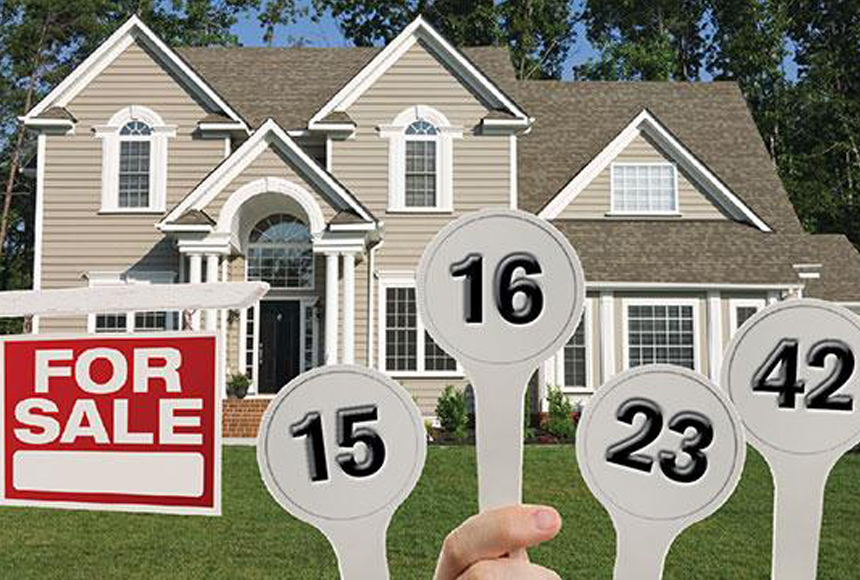
The California real estate market has been remarkable in recent years, with a severe inventory shortage and historically low mortgage rates fueling one of the strongest housing markets in generations. As a result, navigating this hot sellers' market can be challenging for homebuyers, and as a real estate agent, it's your responsibility to help them avoid common mistakes. To further your real estate education, consider enrolling in a real estate school or taking online real estate classes. Remember to check out real estate exam prep resources as well.
One of the most critical errors homebuyers make in a hot market is hesitation. Properties sell rapidly, often before they're officially listed, and bidding wars can erupt within hours. Prepare your clients for this reality by emphasizing the importance of making fast, decisive (but not impulsive) choices. Additionally, if you're considering entering the real estate industry and are wondering how to get your real estate license, we have plenty of resources are available to help.
Set an appropriate budget from the beginning
Another common pitfall is failing to search for homes within a client's budget. Although market activity has inflated home values, homebuyers must stick to a realistic price range. Encourage your clients to establish a maximum budget early on and remind them to stay within those limits when searching for comparable properties.
When embarking on the journey of purchasing a home, it's essential to establish a budget before you begin your search. Setting a budget beforehand allows you to make informed decisions and avoid financial strain, ensuring a smoother and more enjoyable home-buying experience.
One of the primary reasons for setting a budget first is the ability to narrow your focus on properties that fall within your financial means. This targeted approach saves time and energy, as you will only waste valuable resources viewing homes within your reach. Furthermore, by understanding your budget constraints, you can identify homes with the most desirable features within your price range, ultimately leading to greater satisfaction with your final choice.
Additionally, having a predetermined budget in place helps prevent emotional decision-making. When you encounter a dream home beyond your financial capacity, it can be tempting to stretch your budget and make an impulsive offer. However, overextending your finances can result in long-term consequences, such as difficulty meeting mortgage payments or sacrificing other financial goals. By committing to a budget from the outset, you can resist the allure of unaffordable properties and maintain a disciplined approach throughout the home-buying process.
Finally, setting a budget before house hunting gives you a strong negotiating position. With a clear understanding of your financial limits, you can confidently make offers and negotiate with sellers, knowing you are making a well-informed decision. This confidence can enhance your credibility in the eyes of sellers and potentially lead to more favorable negotiation outcomes. In conclusion, establishing a budget before looking for homes is the right strategy for prospective homebuyers. By focusing on properties within your means, avoiding emotional decisions, and strengthening your negotiating position, you can ensure a successful and satisfying home-buying experience.
Don’t Act Out Of Impulse
The urgency of a hot market can also lead to impulsive decisions, with clients quickly making offers on dream homes they can't truly afford. As a real estate agent, it's your job to help clients maintain perspective and make informed choices, even in the face of rapid market movements.
As a Realtor, it is crucial to guide clients through the home-buying process and help them avoid making impulsive decisions. While the excitement and anticipation of purchasing a new home can be overwhelming, it is essential to consider the long-term implications of such a significant investment. Impulsive decisions can result in unforeseen challenges and financial strain, ultimately detracting from the client's satisfaction with their new home.
One of the primary risks of impulsive decision-making is the potential to overlook crucial details about a property. In haste to secure a seemingly perfect home, clients may need to pay more attention to thorough inspections, research on the neighborhood, or a careful review of the property's history. Failing to consider these factors can lead to unexpected issues, such as costly repairs, disputes with neighbors, or declining property values. By encouraging clients to take a measured approach to their home search, they are more likely to make a well-informed decision and enjoy long-lasting satisfaction with their investment.
Moreover, impulsive decisions can lead to financial strain and compromise a client's financial health. When clients become enamored with a home beyond their budget, they may be tempted to stretch their finances and make a hasty offer. Overextending financially can result in difficulty meeting mortgage payments, an increased risk of foreclosure, or sacrificing other critical financial goals, such as retirement planning or saving for a child's education. By guiding clients to remain focused on their predetermined budget and carefully evaluating each property, they can avoid financial pitfalls and ensure a successful, stable homeownership experience.
Don’t Skip the Home Inspection
Another common mistake is forgoing a professional home inspection. A thorough inspection can reveal critical issues with a property, such as structural problems, outdated electrical systems, or potential safety hazards. Skipping this step can lead to costly repairs and unexpected problems after moving in. Homebuyers should always invest in a reputable home inspector to ensure they make an informed decision and protect themselves from potential financial pitfalls.
Keep Additional Expenses In Mind
Many homebuyers focus solely on the purchase price of a home and need to account for the myriad of other expenses associated with homeownership. These include property taxes, homeowners insurance, maintenance costs, and homeowners association (HOA) fees. Neglecting to consider these expenses can lead to financial strain and may result in buyers purchasing a home they cannot truly afford. Homebuyers must research and budget for all related expenses before making an offer on a property.
Ultimately, both you and your clients want the best possible outcome. Guiding someone through the largest purchase of their life is a rewarding and fulfilling experience as a real estate agent. If you're considering entering the industry, visit ADHI Schools to get started on your real estate pre-licensing courses and take the quiz:Should I become a real estate agent?
Love,
Kartik
|

Before making a move from one brokerage to another, be clear about your motivations and what is driving your desire to make the change. Define the work culture you want. If you prefer to work with a small Read more...
Before making a move from one brokerage to another, be clear about your motivations and what is driving your desire to make the change. Define the work culture you want. If you prefer to work with a small company with close relationships with your colleagues, you should look for a brokerage that has that kind of cultures and do research accordingly. See how each brokerage differs and go with the one that fits your needs the most.
If you want an all-business atmosphere, you’ll want to look into the brokerages that are business focused with little to no interaction between colleagues. If you like to work and just do your thing independently, find a brokerage that will fit that need and help you stay focused on business. It’s important to know how the company’s culture, values, and business approaches can affect your ability to succeed there.
An important aspect of brokerages you should consider is the leadership. You should examine the leadership at every level. What is their reputation within the industry and their organization? Ask questions like what does the new brokerage offer that will make you even more successful? Are they forward thinking? Forward-thinking business leaders don't see employees as just putting in the required hours. They see people who are essential to the success of the business. A forward thinking business leader will focus on developing the knowledge and skills of an individual and get them to a place where they can take on more responsibility and leadership roles of their own.
Business support is critical when it comes to running your real estate business. Look into the kind of business support the brokerage offers such as percentage splits, mentorship, technology, and resources. While most realtor’s want the highest pay possible, a higher percentage split should be considered, but should not be the most important decision factor. You should be satisfied with the split you are offered, and you should ask what opportunities there are to earn a higher split. When doing your research, also consider technology and how the right technology can help you. With the right technology, real estate agents can streamline their process to better serve clients. Using innovative tools and services can help you increase efficiency and gain a competitive advantage to close more deals. Email marketing platforms, CRM systems, and other apps are essential in today’s digital world.Make sure the brokerage not only offers these technology services for their agents but look into their efficiency as well.
Before interviewing brokerages, you should have a clear understanding of what kind of support will be most critical to you. What you are looking for in the new brokerage and how they can be the best support to you should be at the top of your list as you examine and compare potential brokerages Whether you are thinking about changing brokerages today or in the future, your choice should be rooted in what is best for yourself and your career. Consider how the potential brokerage can make you happier as an agent and how it can give your clients the best customer experience. Moving brokerages is a business decision and should be treated as such
Be rational and critical when thinking about this change. Do what you know is best for you and don’t let outside opinions affect your decision. Take your time and remember to ask the questions you need about the things most important to you. By keeping in mind what motivates you and the factors driving your need for change, you’ll be sure to find the right brokerage to call home for the long term.To get started on getting your real estate license click here
Love,
Kartik
|

At its core, commercial real estate is exactly what it sounds like - any property that is owned exclusively to produce an income. When people hear the term, they usually call to mind images of office buildings Read more...
At its core, commercial real estate is exactly what it sounds like - any property that is owned exclusively to produce an income. When people hear the term, they usually call to mind images of office buildings and similar structures. But really, commercial real estate can include any type of property - and even just the land itself - which has the potential to generate a return on investment on behalf of the person who owns it.
Just a few examples of this include the aforementioned office buildings, retail spaces, industrial facilities, medical and hospitality properties and any other commercial space that can be leased for the express use of the business in question. All told, commercial real estate brings with it a wide range of different benefits for investors - all of which are worth exploring.
By far, one of the biggest advantages of commercial real estate for investors comes by way of the significant cash flow opportunities these properties often bring with them. Once you purchase a commercial property and begin to rent it to tenants, you start to generate a reliable stream of rental income. You can use that money to pay down the original purchase of the property without putting out any of your own money. Not only that but once the property is paid off, that revenue becomes a largely passive form of income - particularly if you hire a third party to actually manage the day-to-day operations of it on your behalf.
If you're purchasing commercial real estate with an eye towards establishing a larger portfolio, you also get to enjoy the advantage of significant equity appreciation. As you build more and more equity in the property, its value naturally rises - allowing you to leverage it to continue to grow your own company without putting yourself in financial risk.
If this is something that you're planning on making a career out of, it also gives you an incredible amount of flexibility when the time comes that you want to retire. You can always choose to continue to own the properties to rely on that "passive" income as outlined above, or you can sell them and collect a significant amount of money to fund the lifestyle that you've always seen for yourself. The choice is yours - which is exactly why so many people do it in the first place.
Experts also agree that investing in commercial real estate is also a great way to fight off things like inflation. One recent report indicated that commercial real estate investments in the United States tend to have the highest correlation to inflation, especially when compared to other types of investments like stocks and bonds. As inflation increases, so does the price of commercial real estate - meaning that you're protecting the value of your money of the long-term, regardless of what is currently happening in the context of the larger economy.
Having said all of that, it's crucial to understand that nothing in this life is a guarantee and success in terms of commercial real estate is chief among them. No two markets operate in quite the same way, which is why you cannot assume there is a "one size fits all" approach to investing in this field properly. Before you enter the fold, you need to analyze the local market and understand current trends and progressions that may give you an indication of which investments are worth your time and which ones may not be quite as lucrative as they appear.
Likewise, long-term success with commercial real estate is always about creating as much value as possible. This means that especially during those early days, you're likely going to be taking a number of steps to improve the quality of the building to improve net operating income as a result. That means investing in more features and amenities for tenants. That means making improvements to the structure itself for the purposes of safety and desirability. The more value you can create, the more money you can generate by way of rent and lease prices.
It’s important to understand that commercial property is valued in a different way than residential property - meaning that you'll want to throw out what you think you know and learn how things really work. The income potential on a piece of commercial real estate like an office building is directly impacted by its usable square footage. With individual homes, that isn't the case. This is a big part of why investors start working with commercial properties in the first place - this different valuation simply opens the door for greater and longer cash flow over time.
For the best results, you need to create a strategy before you begin investing and stick to it as much as possible. Know what your limitations are - what you're comfortable doing and what you're not. Know where the hot properties are in the market and make an effort to understand the current market conditions and, most importantly, why they are the way they are. Know how much you can potentially make on an investment before you actually execute it. The more effort you put in at the start of this process, the greater your chances are at finding long-term success with this and other investments moving forward. To learn more about commercial real estate or a real estate school visit our website
Love,
Kartik
|

At its core, house flipping is a process in which a real estate investor purchases a particular home with the express intention of soon selling it for a profit. For a house to be considered a true "flip," Read more...
At its core, house flipping is a process in which a real estate investor purchases a particular home with the express intention of soon selling it for a profit. For a house to be considered a true "flip," it needs to be purchased with the idea of selling it quickly - usually to capitalize on certain trends in the market at large.
House flipping has become incredibly popular over the last several years, particularly due to the potential return on investment if executed properly. In 2017, for example, one study indicated that just 5.7% of all home sales fell into this category. Flash forward just a few years to 2020 and that number had already climbed to 7.5%.
It's a process that is especially prominent in a "hot" real estate market and in areas where home prices are on the rise. Another study indicated that in 2017, the average gross profit on a flip was over $66,000 - and this is after any investments needed to make improvements on properties before they could be sold. Pittsburgh, Philadelphia, Baltimore and Cleveland were among the most popular markets during that time. But as is true with all investments, one must proceed with a certain degree of caution in order to make sure the process goes as it should. A significant ROI is never a guarantee but by keeping a few key things in mind, you can improve your chances as much as possible.
By far, the most important thing to understand about house flipping is that you need to decide how much you can afford to spend on an investment property before you actually do so.
In other words, it's a bit like gambling - never spend more money than you can afford to lose if things don't quite go your way. Again, given the uncertainty of the market and considering that there are a lot of parts of this process that are outside your control, nothing is a guarantee. Something may seem like a sure bet, but it never is - and you don't want to leave yourself disappointed or financially stretched because of a lapse in judgement.
Along the same lines, you should always focus your investment property search on various types of distressed properties that are themselves in need of major fixes and repairs. This accomplishes a few important things at the same time. First, you can usually purchase these properties at a significantly reduced cost because they've been sitting on the market for longer periods of time. Likewise, families and people who plan on buying a home to actually live there rarely want to deal with the work required to get it to a habitable condition.
But more than that, the amount of money you do pour into the home by way of fixes and repairs will increase its value significantly - meaning that you'll be able to command a premium price once you're on the other side of this process.
For the best results, select a few properties in a particular area to analyze to decide on the most profitable opportunity for a beginner real estate investor. This step is crucial, as it gives you a "bird's eye view" of what is going on in a particular area and what the long-term potential is in that market. It also helps you gain a better understanding of the highs and lows of the process, which should allow you to gain more insight into where you should be focusing your efforts and which "opportunities" aren't nearly as lucrative as they may initially appear.
You can also start building relationships with other real estate investors in the local housing market - a good idea for a few different reasons. For starters, someone who has been involved in this process for longer than you have will almost always have insight and wisdom to provide so that you don't have to make certain mistakes "the hard way." They can give you tips and outline best practices that help you get the most out of house flipping.
Beyond that, there may also come a day when one of your contacts identifies a great opportunity that they themselves cannot take advantage of. Maybe they have too many houses on the market right now and they don't want to take the chance to stretch themselves too thin - but there's nothing stopping them from picking up the phone and informing you about what they've discovered.
In the end, it's important to follow the "70% Rule" in house flipping. Essentially, this means that you should never pay more than 70% of the "after repair" value of a property (minus the costs of the repairs necessary to renovate the home, of course). This will give you an idea of the maximum amount you should spend on a home to achieve the highest possible return on investment. By using this as a general rule of thumb, it will help ensure that you always emerge with a profit - which in and of itself has always been the biggest priority.
Overall, house flipping certainly isn't for everyone - it takes a significant amount of care and attention-to-detail to get right. But those who follow best practices like those outlined above can enjoy a great amount of success - particularly in a market like the one we're in right now. To learn more about how to become a real estate agent or to learn more about real estate success stories visit our website.
Love,
Kartik
|

You can finally apply for your real estate license online! It’s easy to do and you can upload all documents on the website https://secure.dre.ca.gov/elicensing/
To get started, you’ll need to create Read more...
You can finally apply for your real estate license online! It’s easy to do and you can upload all documents on the website https://secure.dre.ca.gov/elicensing/
To get started, you’ll need to create an account through e-licensing. During the
online application process you can pause at anytime and return later to pick up
where you left off.
Choose from 4 different types of applications:
Sales exam only
Sales exam and license combo
Brokers exam only
Brokers exam and license combo
Keep in mind if you apply for the exam only, you will have to go back onto the
e-licensing site to apply for your license after you pass your test.
If the application type is a combo exam and license, there will be an area for youto enter the main office address of where you will hang your license. If you do not have a designated office yet, click on the checkbox “I do not have a main office address at this time. Please issue my license in a non-working status.”
You’ll need to provide your social security number, driver’s license and proof of education which are your real estate class certificates. If you have changed your name you’ll need to provide any name change documents you have. Acceptable documents would be a marriage certificate or court order. Save all your uploaded
forms as PDF then upload.
Online payment methods accepted are:
For Credit cards
Visa, Mastercard, Amex, & Discover
For Debit cards
Visa & Mastercard
At the bottom of the page, there are two buttons. Click the “Sign and Pay” button when you are ready to submit the application to DRE. If you are not ready to submit the application, click the “Sign Later” button to return to the home page.
To check the current application processing timeframes, there is a link below the existing online applications table, which has more information, or navigate
directly to http://www.dre.ca.gov/Licensees/CurrentTimeframes.html
If you need to get started on your real estate classes here's how
Love,
Kartik
|

Launching your career as a real estate agent is an exciting venture filled with opportunities. But along with it comes the responsibility of managing your finances, particularly understanding the nuances Read more...
Launching your career as a real estate agent is an exciting venture filled with opportunities. But along with it comes the responsibility of managing your finances, particularly understanding the nuances of tax deductions. I wanted to write an article designed to help you navigate the intricate world of real estate tax considerations, shedding light on essential aspects that could maximize your earnings. Let's dig in and untangle the complexities of taxation so that you can focus on what you do best - making successful real estate deals.
As you venture into your journey as a real estate agent, it's crucial to understand how your earnings and taxes are structured. As you know, your income will predominantly be based on commissions from property sales and leases. Since you're classified as an independent contractor, you'll receive IRS Form 1099 at the end of each tax year. This classification makes understanding tax write-offs an important aspect of your real estate business. To ensure this guide provides the most value, let's delve deeper into tax considerations that every Realtor needs to know.
Classifying Realtors for Tax Purposes
Real estate professionals operate under a brokerage, but unlike traditional employment, they aren't classified as W-2 employees. Realtors are self-employed individuals running their businesses within the framework of their affiliated brokerages. This means that you're in charge of paying your taxes every year, and it's really important to know about possible tax deductions to help you manage your money better.
Understanding Tax Deductions: An Important Step for Realtors
A tax advisor can provide detailed guidance on what expenses can and cannot be deducted. However, a basic understanding of potential deductions from the onset of your real estate career is beneficial. This awareness will help you keep detailed records of your expenditures, an essential practice should you ever face an IRS audit.
Ordinary expenses that a Realtor can deduct span various areas of their professional activities. For example, mileage tracking becomes necessary, given how much travel the typical real estate agent does.
Similarly, marketing materials can be written off to promote your real estate services or property listings—such as business cards, direct mail postcards, open house signs, flyers, staging, professional photography and signage. Given its broad requirements and applicability, the IRS advertising expense deduction is a valuable resource for Realtors.
Beginning Your Realtor Journey: Costs and Deductibility
Starting your career as a real estate agent involves various costs that you should be aware of. For example, agents focusing on residential sales must join the California Association of Realtors and the National Association of Realtors after obtaining your real estate license. These fees, while necessary, are business expenses that can be written off on your taxes.
Access to the MLS (Multiple Listing Service) database, a vital tool for any Realtor, and Supra E-Key lock system also require payment. Furthermore, your brokerage may levy a desk fee and other monthly dues. All these costs are integral to doing business and can be written off as business expenses on your tax return.
Working from Home: Deducting Home Office Expenses
In today's digital age, remote working has become commonplace, bringing home office expenses into focus. If you're operating your real estate business from home, you can write off a portion of home-related expenses. This might include a portion of your costs for phone, computer, internet, and a portion of utilities. The IRS provides clear guidelines on calculating these deductions, depending on the size of your home office and its dedicated use for your business.
Building Client Relationships: A Closer Look at Deducting Gifts and Meals
As a real estate agent, fostering strong relationships with your clients is at the heart of your business. Often, this involves offering stellar professional services and nurturing these relationships on a personal level. This can mean taking a client out for a meal or gifting them a token of appreciation upon the successful closing of a sale. Let's delve deeper into understanding the tax implications of these client relationship-building expenses.
The Art of Gifting in Real Estate
Gift-giving is an integral part of the real estate profession. It's not uncommon for Realtors to present clients with closing gifts as a token of appreciation for their business or as a warm gesture to celebrate their new home.
When it comes to the tax implications of such gifts, the IRS imposes a limit. Only the first $25 spent on gifts for each person each year can be deducted. While this may seem modest, it's essential to remember that this limit applies per person. If you're gifting something to a couple or a family, the amount can be multiplied by the number of individuals.
This deduction may appear minor, but these gift deductions can cumulatively reduce your taxable income as you expand your client base. It's important to note that the $25 limit does not include incidental costs like engraving, packaging, or mailing, so these can be deducted in addition to the gift cost.
Client Meals: A Recipe for Deductions
Taking your clients out for meals is another common practice among real estate agents. Whether it's a casual lunch to discuss listing options or a celebratory dinner after a successful deal, business meals are a part of the real estate profession. The tax code recognizes this, allowing Realtors to deduct 50% of the meal's cost as long as the meal is business-related.
The nature of the meal is important here. It needs to be directly related to the active conduct of your real estate business or associated with a substantial and bona fide ordinary and necessary business discussion. It's best practice to keep detailed records of these meals, including the business purpose and the individuals present.
Remember that while client meals offer a chance for a deduction, they also present an excellent opportunity for building deeper relationships with your clients. By understanding your client's preferences and tastes, you can tailor these experiences to create a lasting impression, reinforcing your reputation as a thoughtful and dedicated professional.
In summary, while client gifts and meals are excellent ways to strengthen your relationship with clients, they also offer tax benefits. You must track these expenses diligently and work with a tax professional to maximize these deductions effectively. As a real estate agent, these relationship-building activities are an investment in your clients and a strategic move for your business's financial health.
Expanding Your Business: Don't Overlook Commission Deductions
As your real estate business grows and flourishes, you may pay commissions to other agents or employees who work with or under you. These commissions are an ordinary expense often overlooked but can offer substantial deductions. It's important to keep detailed records of these payments as they can quickly accumulate and provide significant tax relief.
Your Guide to Maximizing Deductions
It must be directly related to your real estate business to qualify as a deductible expense. As a real estate professional, it's crucial to consult with a tax advisor and refer to IRS Publication 535 for a detailed list of potential deductions. Meticulous record-keeping, staying updated with tax laws, and clearly understanding eligible write-offs are your keys to maximizing your tax deductions.
Navigating the complexities of tax deductions may seem daunting initially, but with the proper knowledge and planning, you can confidently manage your real estate business's financial aspect. Don’t forget to consult with your tax advisors to make sure you are applying these rules properly.
Are you embarking on a career in real estate? Remember to check out our interactive quiz to learn more about what this exciting and rewarding career offers!
Love,
Kartik
|

Homeownership is an essential part of the American Dream. Most people that are seeking to own a home turn to buying an existing home. It might not be exactly what you want, but you can see and feel it. Read more...
Homeownership is an essential part of the American Dream. Most people that are seeking to own a home turn to buying an existing home. It might not be exactly what you want, but you can see and feel it. You also have the option of building your own home. Let’s compare buying a home versus building a home.
Buying an Existing Home
Shopping for a new home can be fun and exciting as you plot the next journey in your life, but it can also be stressful. In tight markets, you must plan on bidding wars and making quick decisions. Getting pre-approved by a bank will tell you what you can afford and the type of home you can buy.
When you buy an existing home, you see exactly what you are getting. You can envision what the house will look like when you move in. Sure, you need to look past the wallpaper or outdated light fixtures, but those are cosmetic changes you can replace on your own time schedule.
After you find the house you like and agree on a price, you can expect the time it takes to close on your home to be from 30 to 60 days, depending on your bank’s mortgage approval process and the legal process in your state.
Be aware of the competition for the home you want. The better homes will sell fast, often within days of being listed for sale. If you want a move-in ready home, you need to have your paperwork in order and be ready to make an offer.
Building a Home
If the town you want to move to doesn’t have the type of home you are looking for, or you just want to build that perfect new home, then building a home is an exciting alternative. You will need to shop for a buildable lot and deal with zoning regulations, permits and contractors.
Building your own home can be an exciting process. You get to make all of those important decisions like designing the floorplan and selecting energy-efficient appliances. A good architect will guide you through the process.
This process takes time, often more than a year, from the time you purchase a lot to the time you can move in. In addition to obtaining a construction loan, you will need to obtain permits, attend hearings, hire contractors, and oversee the entire process.
It can be a challenge to build your home. You may need to deal with purchasing mistakes, poor materials, construction errors and even environmental factors like bad weather. Home construction projects often run over budget.
When deciding between buying a home or building a home, no matter what direction you take, you should obtain the advice of a licensed real estate professional who can guide you through the entire process from start to finish. To get your own real estate license start here - To take our quiz Should I become a real estate agent?
Love,
Kartik
|

Buying a home is a huge commitment – arguably, one of the biggest commitments you'll make in a lifetime. Because of this, the buying process can’t be taken lightly. Homeownership comes with many new Read more...
Buying a home is a huge commitment – arguably, one of the biggest commitments you'll make in a lifetime. Because of this, the buying process can’t be taken lightly. Homeownership comes with many new responsibilities, and finding the perfect property takes both patience and due diligence. However, if done correctly, owning a home can be both financially and personally rewarding.
Whether you’re buying your first home or your “forever” home, it’s incredibly easy to fall in love with a certain property and overlook vital details. If you’re ready to take the leap, you need to ask some key questions before buying a home.
The logical place to start in any home search is determining your budget. If you don’t consider how much you can afford independently of a mortgage company, you run the risk of taking on the maximum loan you’re approved for – whether you can actually afford that payment or not. In general, it’s smart to keep your monthly payment at or below 25 percent of your take-home pay.
While many prospective buyers are under the assumption a 20-percent down payment is required to buy a home, this is simply not the case. In fact, the average first-time buyer puts just six percent down, and certain loans require as little as zero. The right down payment for you depends on your financial situation, savings and goals. However, if you can afford it, a 20-percent down payment allows you to avoid paying for private mortgage insurance (PMI).
The down payment isn’t the only cash you’ll be spending on closing day. You’ll most likely also be responsible for closing costs, which can range from between two and five percent of your home’s purchase price. Your lender will provide you with a complete breakdown of the costs before closing day.
Keep in mind, the longer a home has been on the market, the more motivated a seller might be to make a deal. This means you may have more flexibility in the initial offer, terms, credits Keep in mind, the longer a home has been on the market, the more motivated a seller might be to make a deal. This means you may have more flexibility in the initial offer, terms, credits and more. While many homes sit on the market simply because the original listing price was too high, there are some cases where there is something drastically wrong with the home. Either way, a thorough inspection is important.
Always do your research regarding the local real estate market and recent sales in the neighborhood to help you determine if the asking price for the home you want is reasonable. This data can help you negotiate a lower offer or certain concessions, such as closing costs.
The quality of a neighborhood is one of the main reasons people choose to buy a certain home. It will also affect your ability to sell the home in the future. Because of this, it’s extremely important to research things like safety, convenience, schools and more.
Understanding a seller’s motivations for moving can give you more room for negotiation. A good buyer’s agent should be able to figure this information out and gauge how flexible the seller might be. For example, a seller relocating to a new state for a job will most likely be more motivated to negotiate than a seller simply exploring the market.
Do some research into the property’s history of insurance claims because it may affect your ability to get homeowners insurance and/or the price you’ll pay for insurance coverage. Because of this, it’s important to ask the seller for the full history of insurance claims.
Avoid taking on debt for furniture and decorations. Use what you already have, buy used and take it one room at a time. Many first-time buyers feel the need to take on another loan or more credit card debt to furnish their new place. It’s not always necessary!
Buying a home is a huge financial investment, and it is your responsibility to put in the necessary time and effort when researching potential properties. Asking the right questions and being fully prepared about the home buying process before placing an offer can save you both money and headaches down the road.
Love,
Kartik
|

Over the past year as more people have been working from home, many people are realizing their home needs are also changing. Working from home is on the rise so now is the time to reevaluate your changing Read more...
Over the past year as more people have been working from home, many people are realizing their home needs are also changing. Working from home is on the rise so now is the time to reevaluate your changing real estate needs to find the home that works best for you.
Working from Home Gives You Options and Flexibility
You may have found that working from home gives you options you didn’t have before. A majority of the workforce doesn’t need to be tied down to one specific area to do their job. These workers now have more flexibility and can pretty much live wherever they want. This means these workers can now move to a lower cost of living area or the location they have always dreamed of. You may be able to find a home in a more affordable area and get more house for your dollar. You’ll start to enjoy new benefits such as having more space and a dedicated home office. With the requirement of commuting gone, remote workers can now live in an area where they have always dreamed of vacationing, whether this is the mountains or near the beach. Relocating to a highly desired area also means you can live in an area that gives you better amenities, whether it’s the community or weather. Without a specific location for the job, the options are practically endless, and you can find your ideal spot. More people are moving away from the big cities and work centers, such as Los Angeles, Miami, Boston, New York, and San Francisco, entirely in favor of suburbs and more relaxed living. People may choose to go to communities that have a better quality of life but fewer job opportunities since they no longer must live where job opportunities are.
Flexibility Even for Part-Time Remote Workers
Some employees are now going back to the office part time, but this doesn’t mean that all flexibility is lost. Relocating within the region that gives you a better location but is a bit further away from the office can still be a good choice. You may have a longer commute, but you won’t be going into the office every day.The longer commute could be worth it to have a home with more comforts,space, or features. If you are going to be working from home, then finding a home that better suits your needs can be a priority.
Having a Home Office
Whether you are home part time or full time, having a home office is a necessity.Working from home has people recreating rooms in their homes to be used as office space. Some are looking to sell and buy homes with offices already in their new homes. Most people are seeing this as an opportunity to get the house they have always wanted so you can work comfortably from your home and still have a work life balance.
Love,
Kartik
|

In a host of different ways, real estate is a truly great business to get into. Not only does it bring with it the potential to make a significant amount of money, but it also offers flexibility and the Read more...
In a host of different ways, real estate is a truly great business to get into. Not only does it bring with it the potential to make a significant amount of money, but it also offers flexibility and the power to be your own boss. But before you decide to get started with your own career in the industry, try taking this quiz, "Should I become a real estate agent?" Do your research and know that there are a few important things to keep in mind.
The Ins and Outs of Being a Real Estate Agent: Your Guide
By far, the most important thing you need to understand about being a real estate agent is that it takes a tremendous amount of time to be successful.
Building your business takes time and consistency. It takes time to build your clientele. Direct mail marketing is a good way to market your business by mailing out direct mail marketing materials to let people know what is going on the local market and that now might be a good time to sell. Let people know who you are, what your focus is and how you can help them. Consistently build your outreach efforts to get your name in front of as many people as possible. By being consistent with this method, you will eventually find a buyer or seller who will become your client!
Likewise, you need to be aware that you can't just wake up one morning and declare yourself a realtor - before you get started you are required to take a wide range of different courses and you'll have to take the state exam. But beyond that, understand that all of those governing laws change on a regular basis - which is why it takes continuing education courses to actually keep your license.
In a general sense, one of the most critical things to understand about a career in real estate is that real estate agents do not get regular paychecks. You would think that people would know that by now, but you'd be surprised by how many people are shocked to hear this.
Real estate is a commission-based enterprise, meaning that the more you work, the more you make. You make more money on more expensive homes, and so on and so forth. But the reverse is also true - if you have a particularly slow period where you're not selling (or helping to buy) any homes at all, you're not generating income during that time.
This can be a difficult thing for people to wrap their heads around, which is why you need to make a business plan and stick with it. Based on your personal financial goals and business expenses, sit down, and calculate exactly how much money you need to make during a given period. With that, you can reverse engineer the total number of transactions that you need to be involved in to meet that goal. That will tell you how many new leads you need to generate on a monthly basis, which in turn will give you a good indication of what you need to be doing every day.
Yes, it's true that there is the potential to make seven figures in real estate. People do it all the time. But it's hardly a passive form of income - meaning that if you want to get to that level, you're going to have to work for it.
Finally, understand that real estate agents work long hours and irregular days - meaning that if you're coming into the business looking for something like a more traditional "9 to 5" experience, you'll likely want to look elsewhere. Oftentimes you'll need to show homes on nights and weekends. You might put in 12 hours or more one day trying to get a home ready for showing. But as stated, the earning potential is incredibly so if you're able to be successful, the effort will be more than worth it.
In the end, there will always be a need to buy and sell real estate - meaning that there will always be a need for real estate agents. The market goes up and down and some periods will be more fertile than others, but if you truly understand trends and "get" how the local market works, you can find a tremendous amount of success in the field.
If you approach your real estate career by having realistic expectations and a good understanding of what you need to accomplish your goals, there is truly no limit to what you can accomplish.
If you want to become a real estate agent, see these motivational success stories from top realtors
Love,
Kartik
|

Great Ideas to Help You Maintain Client Relationships in Real Estate
Almost more than in any other industry, people tend to come into the world of real estate with many pre-conceived notions about what Read more...
Great Ideas to Help You Maintain Client Relationships in Real Estate
Almost more than in any other industry, people tend to come into the world of real estate with many pre-conceived notions about what their day-to-day jobs will be like - and which factors are truly important.
Yes, you're helping someone navigate a massive financial purchase - certainly one of the biggest they're likely to make in their entire lives. If you're helping someone sell a home, you're going a long way towards assisting them when it comes to securing their financial future. If you're helping them buy a home, you're potentially allowing them to start a family in a wonderful new place, or to finally begin to build that life they've always seen for themselves. All of this is true.
But a career as a realtor is also about so much more than that. If nothing else, real estate is a business of working with people.
Therefore, more than even an individual sale or a particularly successful quarter, success in terms of real estate will depend on your ability to build relationships. It's crucial to know how to set up and maintain a good foundation with your clients, as the more you do this the more likely it is that you'll have a steady stream of new people coming right to your door.
Building Relationships in Real Estate: Your Overview
By far, one of the best ways to build stronger, longer lasting relationships with your customers involves understanding that listening is a fundamental part of creating a good working client experience.
If you come into a situation and try to cram someone into a "one size fits all" box when it comes to looking for a new home, they're going to start to see you as cold and cynical - because that's exactly what you'll be. People will quickly pick up on the fact that you're not really trying to help them accomplish their goals because you're unconcerned with their wants and needs to begin with.
Instead, you need to ask the right questions and, above all else, listen to the answers. Why is someone looking for a home? What features are important to them and why? Where do they see themselves in five years? Ten years? Are they planning on starting a family at some point in the future?
Along the same lines, open communication is key when it comes to working with clients. If you take someone to a home and they decide they don't like it, don't just rush them along to the next one. Have a conversation with them and figure out what they didn't like and, more importantly, why. Talk about their goals and create an environment where they feel comfortable coming to you with questions, concerns, and advice.
Again - talk with your clients about more personal areas of their lives, such as their family and hobbies, to create a rapport and connection. Let them know that you see them as more than just another client.Never forget that people come to real estate agents because they need legitimate help and guidance. They're often feeling overwhelmed and have more questions than they know how to answer. By taking the time to talk with them and establish that connection, you'll build a tremendous amount of trust and loyalty as a result.
Finally, consider the fact that a meaningful way to express your appreciation and leave a lasting impression is with gift giving. This is especially true of clients that you've already worked with, as you always want to remain at the forefront of their mind.
When Thanksgiving rolls around this year, you could have a promotion where all your past and current clients can stop by the office to pick up a free pumpkin pie. If you know that one of your older clients is having a birthday, feel free to pop a card in the mail. Things like this are small gestures, but they do go an incredibly long way towards making people feel appreciated - which is how relationships are grown and maintained.
In the end, understand that the quality of your business is directly tied to the quality of the relationships that you're able to build with those around you. This is another one of those reasons why most experts recommend picking out a niche and sticking with it. If you choose to "farm" a particular geographic area - particularly one that you're already familiar with - you put yourself in a much better position to bring as much value to people's lives as possible.
Then, with each successful transaction, something magical happens. People see that you're every bit as invested in their success as you are. They see that you're willing to go above and beyond to help them accomplish their goals. They see you as a true partner in every sense of the term - which truly is the target you should be trying to hit, day in and day out.
An important part of maintaining relationships in real estate is reminding people that you're out there, to learn about the types of email campaigns to send to past and present clients click here
Love,
Kartik
|

One of the most important things to understand about being a realtor is that you're never "just selling a house." Sure, on the surface, that's literally what you're doing. But you're also pitching something Read more...
One of the most important things to understand about being a realtor is that you're never "just selling a house." Sure, on the surface, that's literally what you're doing. But you're also pitching something so much more important:
Your personal brand.
People aren't going to come to you to buy or sell a home out of the kindness of their heart. They're going to do so because they trust you. Because they consider you an authority. Because they believe you have the skills, the knowledge and the expertise necessary to get them whatever outcome they see for themselves.
To put it mildly, you're not going to be able to get to this point overnight. As the old saying goes,"Rome wasn't built in a day."
That, in essence, is why open house marketing is so important. Over the short-term, it's a great way to help move whatever piece of property you're working with at the moment. In the long run, however, it's also an invaluable way to help show as many people as possible that you have what it takes to succeed - especially during your first year on the job.
The Importance of Open House Marketing in Real Estate: Your Overview
By far, one of the biggest reasons why open house marketing is so essential to new agents in particular is because it gives them a powerful opportunity to learn as they go.
When you walk into your first open house, you're probably going to be a little bit nervous. You're going to be interacting with members of the public and giving people personalized tours of a space. The chances are incredibly high that you're going to make mistakes with your presentation - and open house marketing gives you a chance to make them over and over again.
Now, that may sound scary - but it really isn't. Every mistake that you make is a learning opportunity, and the more you realize how to personalize the experience for the people standing in front of you, the better you get at it over time. Over the course of a day or two you'll probably walk dozens of people through that house and you'll get an invaluable opportunity to refine your process every time. You'll start to get a better sense of what they like and what they don't, and how to play to those strengths in an effective way.
Simply put, you'll get better at the gig the more you do it - and open house marketing allows you to do so as quickly as possible.
From an actual marketing perspective, open houses also allow you to build a brand that lasts. The more people see your name, the more likely they are to remember it. You'll begin to take marketing more seriously than ever, which is a big part of how real estate agents carve out a niche for themselves in a particular demographic area.
As you start to see the return on your investment - meaning as you start to see more people responding to your marketing collateral and walking through those doors - you'll be in a better position to take marketing seriously. That in and of itself may be the most important benefit of all.
The Investments of Marketing
In an effort to get as many people to that next open house as possible, there are a few key techniques that you should definitely lean into.
For starters, there are apps that are available to help with open house marketing right now in both the iTunes and Android app stores. Especially in a market as "hot" as the current one, people are always looking for great new homes in their area and if they're ready to buy, they typically want to move fast.
Therefore, by posting your listings and contact information on these apps, you're more likely to attract the right kind of attention as quickly as humanly possible.
Beyond that, you should absolutely use social media to spread the word about your next open house far and wide. Take to Facebook and Twitter and pay attention to the types of hashtags that are being used in the real estate industry. Make a post letting people know where the open house is, when it's taking place and other relevant information. Continue to post in the days leading up to the event.
Likewise, if you see someone post on social media that they're looking for a new home in a particular area, don't be afraid to send them a message and let them know what you have coming up. They may not necessarily be interested, but they'll immediately become aware - and all of their other followers will, too.
In the end, gaining clients with these open house marketing tactics is a fine line to walk - but it's very much possible. Resist the urge to include every last detail about the property - that's what the open house is for. You don't want to offer too many photos or too much information to the point where someone thinks "no, that's not for me." You want them to be enticed to the point where even if they're not sure, they still want to stop by the place and take a look around.
If you're able to get to that point, you'll have a steady stream of new leads walking right through the door - which in and of itself is the point.
Love,
Kartik
|