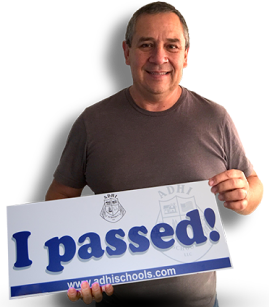
Many of our readers are just starting their journey into the world of real estate and they want to start a real estate business from scratch. Most of them want to understand the steps of the journey they Read more...
Many of our readers are just starting their journey into the world of real estate and they want to start a real estate business from scratch. Most of them want to understand the steps of the journey they are about to embark on and see a path to success laid out for them.
Step 1: Enroll in real estate classes
The first step in your real estate journey is to enroll in a California state approved real estate school and complete three required courses. The courses required to sit for the real estate exam are:
Real Estate Principles
Real Estate Practice +
Elective course
While we offer a selection of elective courses, my recommendation is to choose Legal Aspects of Real Estate because it contains the most relevant information to prepare you for your California real estate exam. Additionally, if you wish to obtain your brokers license at some point,Legal Aspects of Real Estate is a required course so completing this course will serve these two purposes.
As far as options to complete the program go, we have two packages that can get this done for you. One is a package wherein a licensed instructor will walk you through all the material and the other is a self-study option where you read the material on your own.
My recommendation would be to choose the instructor-led Zoom calls mostly because there is so much material to digest and having a professional to ask questions of will make the experience easier and provide more of a roadmap for you.
Step 2: Pass the real estate exam and obtain a real estate license
Once you have enrolled and completed the three required courses the next step is to take and pass the state licensing exam in California. The best way to get ready for this exam is with our famous crash course software. Our crash course offers hundreds of videos explaining each answer choice and why the answer is correct and the others are wrong.
The sales license exam is given over 3 hours and it consists of 150 multiple-choice questions. Passing score is a 70% or better.
Pro tip: Don’t worry about getting 100% on this exam. The state doesn’t even release your score when you pass. The exam is strictly qualifying in nature and as long as you score at least a 70% you’ll be good to go.
Obtaining a real estate license also requires that you clear a criminal background check. This is done through a process called Live Scan. This Live Scan is required even if you’ve gone through this process in the past for another license or purpose. For example, we have many students who are also notary publics or have other professional licenses and certifications that required that they be fingerprinted in the past. This doesn’t matter - you’ll have to go through the fingerprinting again.
Step 3: Choose a real estate broker to work for
If your aspiration is just to get a real estate license, you don't necessarily have to put that license with a broker. However, if you want to work and represent buyers and sellers, the real estate law requires that you find a broker to work for and hang your license with.
As you make the decision about where to work keep in mind that there are many things that determine whether you are working at the right firm.
Learn more about how to pick a broker here:
To a newer agent, the most important thing in deciding where to work should be the training program available and the culture around the office. For example, if your goal is to make a lot of money and help lots of clients, you'll want to make sure that you are in an environment where the broker encourages teamwork, camaraderie and a culture of training.
Step 4: Start working on your sales skills
One of the most underrated aspects of starting as a new real estate sales professional is the fact that people forget that the nature of this job is sales. The successful real estate agent will employ marketing strategies to get their name out there, be able to set an appointment and ultimately close for the contract.
Whether dealing with buyers or sellers there are objections that your client will inevitably throw at you. For example, buyers might want to wait until interest rates come down or prices cool off. Sellers will want to understand what your marketing plan is and may even ask you to cut your commission. Your ability to handle these objections with empathy and professionalism is key to your success.
The best real estate sales professionals continuously practice their skills, role-play, and work on their sales abilities each and every day.
Step 5: Solidify Your Marketing Plan
With over 400,000 real estate licensees in California it's important to be able to be found and recognized as an area expert. The only way to do this is through proper marketing as marketing is the lifeblood of any business. It’s no different when it comes to you as an individual real estate professional.
As a newer agent, the big question is, how are you going to be found? Joining a team can help in this effort because teams generally allocate marketing dollars to lead generation and they pass out these leads to members on their team.
It’s important to bear in mind that these leads come at a cost, however. Commission splits are often lower on a team, because not only do you have to pay the brokerage but you'll also have to pay a split to your team in return for generating those leads for you. Being able to ride the coattails of your team should mean that you don’t have to figure out your own marketing plan.
Whether or not you end up joining a team, I would still suggest doing community and sponsorship events, a lot of direct mail, and maybe even some good old fashioned doorknocking. Consider sponsoring the local chili cook off or the Little League team to get in front of residents in the community.
Remember that sales and marketing go hand-in-hand. Marketing will help you bring in the leads, while sales skills will help you close the leads that you do generate.
Don’t neglect social media. It’s important to be active on Instagram and Facebook and maybe even start your own YouTube channel. Social media is a great way for members of the community to get to know you and gives you the chance to show that you're an active local real estate professional.
Step 6: Continue to grow your career
I understand that reading that you should “grow your career” sounds cliche and I’m aware that this saying means different things to different people. In the context of being a real estate agent, growth could involve branching out into other aspects of real estate like property management or commercial real estate.
The concept of growing your career also involves attending continuous training on sales skills, marketing, social media strategies, or even technical training like new laws that affect the real estate community or updates to the purchase agreement.
Your goal should be to avoid stagnation and always continue to grow and learn. Real estate is an ever-changing industry and technological tools have changed the way the properties are purchased.
Given the fact that our clients are trusting us with what is likely their largest asset, we have a duty to make sure that we are learning all we can and that we are the best real estate agent possible.
I'm hoping the six steps I’ve outlined will help understand the arc of starting and growing a lucrative career in real estate. It can be an extremely rewarding career and I’m looking forward to helping you get started or continue to grow it.
If you are interested in learning more about starting a real estate career, call us at 888 768 5285 or send us a message on Instagram
Love,
Kartik
TLDR:
Here are the six steps to starting and growing your real estate career.
1. Enroll in real estate classes
2. Pass the real estate exam and obtain a real estate license
3. Choose a real estate broker to work for
4. Start working on your sales skills
5. Solidify your marketing plan
6. Continue to grow your career
|

As you prepare for your real estate exam you’ll no doubt take at least one of our crash courses. These lectures and online tools can be done in the comfort of your own home and are based on individual Read more...
As you prepare for your real estate exam you’ll no doubt take at least one of our crash courses. These lectures and online tools can be done in the comfort of your own home and are based on individual self-study.
But what if you aren’t quite ready for a real estate crash course yet? What if you still need to complete Real Estate Principles, Real Estate Practice and the elective course in real estate school?
While we offer an amazing self-study program to help you finish the required courses there are some students who don’t do well left to their own devices. Does this sound like you?
What if you wanted a professional instructor who walked you through the course material, but didn’t need to drive to a physical location? A plus with gas prices being $7 a gallon.
To bridge the gap between total self-study and a physical real estate school we offer an amazing Zoom-based option.
I made a list of seven benefits of this program to prepare and qualify for the California real estate exam.
1. Eliminate procrastination
By coming to our scheduled Zoom calls, you’ll be less inclined to put off studying the material to qualify for the exam. When working independently, it’s easy to procrastinate, but when you make a commitment to meet with our study group you’ll be more motivated to press on and prepare so you’re ready to cover the material with other group members.
2. You’ll Probably Learn Faster
Members of study groups like those on our Zoom calls tend to learn faster than individuals who work independently. With any type of learning, it’s common to get stuck on a concept and have difficulty getting over the proverbial learning hump. With fellow students and an instructor to talk out concepts with, it can clarify some of the drier material.
3. Fill in Gaps in Notes
While you might prepare for class by watching some of the videos on our YouTube channel questions might arise as you watch the videos or read the textbooks.
Bring you questions to class and the instructor will answer them and encourage you to deep-dive into the course material. You can read the book on your own first, knowing that if you do have a question you’ll be able to ask it to the instructor and bounce ideas off other students in the process.
As a result, fewer gaps exist, when it’s time to take the real estate exam you’ll be better prepared.
4. Sharpen Your Study Skills
Everyone has their own techniques they use to study. However, working with a diverse group of other hopeful real estate agents empowers you to sharpen your own study skills. You’ll be able to learn from the strengths of others and maybe even share your own with them.
5. Break Up Monotony of Studying Alone
Studying alone is very monotonous and it could lead to feelings of isolation, frustration, and loneliness. On the other hand, working with a group pursuing the same goals not only adds socialization, it gives you something to look forward to nearly daily. Check out our schedule of Zoom classes here! <hyperlink to https://www.adhischools.com/schedule >
6. Hone Your People Skills
Working as a real estate agent means you’ll need to hone your people skills if you don’t already possess them. Success in our industry is based on your ability to work with other people. In study groups, you’ll encounter a variety of personalities and this will strengthen your ability to communicate with different people - a must in real estate!
In a sense, a study group can be your first step into developing your professional network. In any industry, it’s not what you know, but who you know. Often, those on our Zoom calls have built a sense of camaraderie – the perfect seed to grow a professional network. Remember, not only can you connect with members of your group, but they can introduce you and vice versa to other people. Knowing you have friends in real estate upon passing your exam is a great feeling - It’s never too soon to build a professional network!
In order to pass California’s licensing exam you’ll need to gain a full understanding of the topics and concepts used in everyday real estate business. Joining our Zoom calls can put you on a solid path.
If you are interested in getting a free guest pass to check out one of our Zoom study sessions, click here and pick a day and time that works for you.I look forward to seeing you on an upcoming real estate Zoom call!
Love,
Kartik
|

One of my early real estate sales managers passed away a few years ago. When I think back on our interactions, one thing that stands out is his advice that an agent isn’t going to make money sitting Read more...
One of my early real estate sales managers passed away a few years ago. When I think back on our interactions, one thing that stands out is his advice that an agent isn’t going to make money sitting in the office behind a desk. You’ve got to get out there, pound the pavement and understand the local market.
Previewing property is something that should be a non-negotiable for a real estate professional, especially a newer licensee. Even if you are just starting in our real estate license course you can still play around on websites like realtor.comor other IDX sites to sort of “arm chair” quarterback and see what’s going on in the market.
Once you get your real estate license you’ll want to start physically entering as many properties as possible so you can keep a pulse on what’s happening in the marketplace. By the way, this shouldn’t seem like too much of a chore as most people that take our real estate classes have at least some interest in viewing homes and property for sale. I can’t tell you how many students I have spoken with that say “I love going to open houses! I want my license!” Now get out there and do it!
What is involved in previewing property?
Previewing property involves searching the MLSfor homes and then scheduling times to physically walk the properties. As an additional prospecting method, some agents even knock on the doors of nearby homes to let neighbors know of the home that’s for sale. This can be particularly valuable in the event there isn’t a For Sale sign on the property you are previewing. When knocking, a good script could be to ask nearby owners if they know a friend, family member or co-worker that might be interested in the home for sale, it’s a great opportunity to “pick their new neighbor”. This is an easy and natural way of networking with nearby owners.
It’s free for you to do
One of the biggest benefits of previewing properties is the fact it’s an absolutely free method of gaining local market knowledge. The only investment is your time - and most new agents have more time than money. Savvy real estate agents who preview properties on a routine basis find they get more listings, obtain valuable market knowledge in the areas they work in and grow their businesses faster.
You can obtain valuable knowledge about the market
When you follow the strategy of previewing property you will gain a stronger understanding of the local inventory. This will empower you to rapidly identify properties for interested buyers. For instance, knowing a geographical area intimately means you’ll be armed with the ability to quickly answer questions clients have about inventory in the area. This boosts your professional reputation and people will start to see you as an expert.
Agents who have previewed properties may also have earned access to unpublished or not widely publicized information. Additionally you’ll learn what homes are on the market and the routine of previewing property will force you to dig into the local inventory daily.
You’ll have the ability to generate more leads
Physically going out to look at homes in a specific market means you’re also actively meeting people and expanding your professional network. While you could just view Matterport tours from your home or office there really isn’ta substitute to getting out in the field and touching the inventory. An added bonus is that you never know who you’ll meet that wants to hire you.
Buyers will be impressed with your proactive approach to understanding the market and know you’ll be equipped to help them find their dream home.
Sellers will appreciate that you have your pulse on the market and are more inclined to list with you because they’ll have faith you can help them present a solid marketing strategy.
Agents may also find as they preview homes, they stumble across properties not listed on the MLS, such as pocket listings, FSBOs, expired listings, and owners who want to sell but temporarily removed their homes from the market.
Networking is an important activity for any industry but has a special place in a direct sales business like real estate.
You gain information to have a powerful listing presentation
When you are on a listing presentation, rest assured that the seller is looking to hire an agent who knows the neighborhood, knows the street and knows their home.Previewing 3-5 properties daily will aid in your listing presentations because you’ll be able to demonstrate to your seller that you intimately know the market having seen all the inventory in the local marketplace. This is a non-negotiable as you don’t want to be seen as an agent who knows less than the client.
The net-net bottom line is that previewing properties will give you a reason to get out of the office – you just never know where it’ll bring you or what clients you’ll land next.
Remember what that sales manager told me so long ago - the money in real estate isn’t made sitting in the office.
Love,
Kartik
|

If you want to become a real estate agent in California you’ll need to get a real estate license -shocker! The requirements are pretty simple and straightforward. The most basic is that you have to be Read more...
If you want to become a real estate agent in California you’ll need to get a real estate license -shocker! The requirements are pretty simple and straightforward. The most basic is that you have to be at least 18 years old and must complete three college level courses in real estate.
Getting licensed is the first step - If you want to work in the real estate industry you will eventually have to place your license with a real estate broker who will act as your “responsible broker”.
Before you can start working, however, there are some additional requirements which include taking and passing the real estate license exam and obtaining your real estate license, and clearing criminal background. Once you complete these steps, you’re eligible to be licensed to work as a real estate agent in California. Depending on state processing timeframes this process can take approximately five to six months from start to finish.
As a student in our real estate license school, you should understand there are some fees associated with obtaining your license. The good news is you don’t have to pay them allat once as the costs can be spread out over the course of several months. Here’s a quick rundown:
1. 135-hour pre-license course [3 college level classes in real estate]
In order to take the real estate exam, you’ll have to complete three college level courses in real estate. The classes are Real Estate Principles, Real Estate Practice, and an elective that you would choose from a list of possible courses. ADHI Schools offers a variety of choices from Real Estate Appraisal, Property Management and Escrows among others.
While these courses could be completed at a community college my recommendation is that you complete these at a private real estate school like ADHI Schools. The classes can generally be finished faster and our textbooks are included with one low price. How you choose a real estate school is an important decision that should be taken seriously.
We also offer optional-to-attend study sessions over Zoom and in-person real estate crash courses to prep you for the actual state board exam. Our programs also offer hundredsof practice questions so you are ready on test day! Our premiere package including the crash course is just $499.
2. State exam fee
The fee for the sales license exam is $60 and is payable directly to the state. There are small fees paid to the state if you need to reschedule your test.
3. Livescan fee
Everyone seeking to operate as a California real estate agent must submit their fingerprints through DOJ's Live Scan Program. If you are a California resident, you’ll pay a $49 fingerprint processing fee, along with a $30 fee if you have ADHI Schools perform the Livescan.
Once the fingerprint scan is submitted and fee is paid, your fingerprints are sent to the U.S. Department of Justice and the Federal Bureau of Investigation. The DRE will review the background and issue your license or reach out to you for more information.
4. License application fee
Once the above steps are completed, all that’s left is the license application fee, which is $245 in California to obtain a real estate salesperson license. The DRE requires a license to be renewed every four years, which costs $245.
5. Future expenses
Accompanying the $245 fee due every four years for renewal, the DRE requires licensees to complete 45 hours of approved continuing education courses This includes courses that cover Ethics, Agency, Fair Housing, Trust Fund Handling, Risk Management, and Management and Supervision. Licensees must also take approved courses related to consumer protection. Continuing education must be done prior to renewal. These costs are trivial and the class are also super affordable.
This breakdown should help you factor these and future costs associated with your decision to enter our great real estate industry. Essentially, your startup costs to become a licensed real estate agent in California will only be a few hundred dollars making this a very affordable career choice - especially considering you can immediately get to work without having to go through years of college.
If you are interested in learning more about getting your real estate license, reach out to us by phone at 888 768 5285 or visit our website here.
One word of caution - please make sure that you are reviewing the DRE and our own website for the latest exam and license fees.
Love,
Kartik
|

To say that the world has changed over the last few years is certainly something of an understatement. As the pandemic began to take hold in March of 2020, suddenly in-person gatherings of any kind Read more...
To say that the world has changed over the last few years is certainly something of an understatement. As the pandemic began to take hold in March of 2020, suddenly in-person gatherings of any kind were all but impossible. In the real estate world, this created a bit of chaos as agents and clients wondered how to show a prospective buyer a house when multiple people can't be in the same place at the same time? Moreover, how do real estate agents operate in a world where everyone is suddenly doing business remotely?
COVID created a perfect storm for the real estate business and allowed for some pretty powerful “virtual” or “cloud” brokerages to come to prominence. Such companies mostly exist online - meaning that there are very few, if any, physical office locations to speak of.
Realtors who join such companies typically feel that having traditional office space doesn’t really matter because the nature of our work doesn’t mean we sit at a desk all day. These online companies also often offer higher commission splits to their agents because of lower overhead. The firm doesn’t have to spend money renting an office space or buy furniture, office equipment or pay utilities.
Some seasoned agents who already have an extensive book of business are attracted to this virtual model as the more experienced salesperson doesn’t need as much basic training and handholding as those who are new to the field.
This type of brokerage does have it’s downsides, however. In a traditional real estate firm, agents have the option of reporting to a location in the morning and leveraging support staff and have the ability to meet with clients and more. Larger real estate firms that have a significant brick and mortar presence are often perceived to have more credibility than a strictly online operation. Local buyers and sellers are often assured by a large real estate firm sign on the side of a building in their hometown that the company - and the agent - are there to stay. If you are wondering how to choose a real estate office to work at consider watching this video.
Another big downside of the “virtual” brokerage can be a lack of community. While some real estate agents are comfortable with the idea of working without the distractions of the workplace, some might find it difficult. Agents are often social beings (arguably even more than the average person) and long hours with only a computer screen and a phone can be painful for some salespeople. Building a career in real estate is hard enough and without a sense of community the journey can be that much more difficult.
Then again a virtual real estate firm might make sense when you consider what the duties of a real estate agent actually are. Most of the actual money making activities in the real estate industry are not performed sitting at a desk. When an agent has a client, they are either at the client’s home advising them on marketing strategy, going over offers, or touring a home or building.
Whether you decide to join a brick and mortar traditional real estate firm or go with a virtual one, just make sure that you will have support from the management team so that in the event you have questions or need marketing or other support you have resources.
Either way, your journey starts with real estate license courses and remember - even though we are a school that operates online, there are real people manning our phones. =)
Call us at (888) 768-5285 if you are ready to get started!
Love,
Kartik
|

As a new real estate agent, you're probably already aware of open houses' key role in the industry. They are a fantastic way to showcase a property, attract potential buyers, and build relationships within Read more...
As a new real estate agent, you're probably already aware of open houses' key role in the industry. They are a fantastic way to showcase a property, attract potential buyers, and build relationships within your community - which could lead to additional listings. But the idea of hosting your first open house can also be intimidating. You might feel fear and apprehension creeping in at the thought of stepping into the spotlight, fielding inquiries from seasoned home buyers, or handling unexpected situations.
If you're nodding your head in agreement as you read this, don't worry—you're not alone. These feelings are more common than you think among new real estate agents. But the good news is that fear and apprehension are just feelings, and emotions can be managed and overcome.
I’ve gotten so many calls from students asking me to address these concerns that I wanted to write a quick guide to provide practical tips to help you overcome your fear of hosting open houses. I want to turn that fear into confidence and that apprehension into excitement. It's all part of becoming a successful real estate agent.
First of all, it’s essential to understand the fears that may arise when hosting open houses. There are several common concerns new agents often encounter:
Fear of Rejection: The fear of rejection can be daunting. The thought of potential buyers dismissing the property you're showcasing or questioning your expertise can be unsettling.
Fear of Public Speaking: Open houses are public speaking events. If you're uncomfortable speaking in front of a group or worried about how you'll be perceived, this can create a high level of anxiety.
Handling Difficult Questions: Can you answer every question thrown your way? What if a visitor asks about a property detail you’re unsure of? The fear of not having all the answers can be intimidating.
These fears are entirely natural and shared by many new real estate agents. Recognizing that these feelings are common and part of the learning curve is essential. They do not define your capability as a real estate agent or predict your future success.
Understanding your fear is the first step to overcoming it. Once you've identified your concerns, you can begin to develop strategies to confront them head-on. As you gain more experience, you'll find that these fears diminish, and your confidence grows. Remember, every real estate agent (myself included) had to host their first open house at some point—and they survived, thrived, and continued on to successful careers. You can too.
Preparing for Your First Open House
Preparation is key in any professional undertaking, and hosting open houses is no exception. Let's delve into three fundamental areas where thorough preparation can help to alleviate your fears and set you up for success:
Product Knowledge: Knowing your product inside and out is crucial in real estate. Your product, of course, is the property you're showcasing and the neighborhood it's in. Familiarize yourself with every aspect of the property - the year it was built, the type of architecture, any recent renovations, the unique selling points, and potential areas of concern for buyers. Also, expand your knowledge of the neighborhood - the schools, parks, shopping areas, local attractions, and anything else a potential buyer might be interested in. Buyers will appreciate your deep knowledge, and it will build their trust in you as a real estate professional.
Role-play Scenarios: Role-playing is one of the most effective ways to prepare for the unpredictable nature of open houses. This involves envisioning potential scenarios, then acting them out with a colleague or mentor. Role-playing helps you prepare answers for tough questions, handle different types of clients, and become more comfortable with the whole process. The more you practice, the more confident you'll become in handling real-life situations.
The Power of a Good Presentation: Hosting a successful open house is all about making a great impression. This means presenting the property in the best light possible. Staging is an integral part of this. Ensure the property is clean, decluttered, and visually appealing. Use signage to direct visitors to key areas of the home. Also, prepare handouts with property details and your contact information for visitors to take with them. The goal is to create a memorable experience that leaves potential buyers imagining themselves living in the property.
The fear of hosting open houses can seem daunting, but with adequate preparation, you can confidently walk into each event. By knowing the property, practicing various scenarios, and staging a successful presentation, you'll reduce your anxiety and increase your chances of making a sale. Remember, a well-prepared agent is a confident agent.
Building Confidence
Confidence is an essential trait for a real estate agent. It helps you perform better and instills trust in your clients. Here are some strategies for building your confidence:
Develop a Positive Mindset: I know this sounds cheesy, but your thoughts really do shape your reality. If you go into an open house expecting the worst, your actions might follow. On the other hand, if you anticipate success, you'll likely project positivity, attracting more potential buyers. Practice affirmations, envision a successful open house, and maintain a positive attitude. You might be surprised by how much of a difference this can make.
Self-care: Stress can often lead to a drop in confidence. Make sure you're taking care of yourself physically, mentally, and emotionally. This could mean taking time for regular exercise, eating a healthy diet, practicing mindfulness or meditation, or simply ensuring you have downtime to relax. When you feel good, you're more likely to perform well.
Learn from Each Experience: Every open house is a learning opportunity. Whether you consider an event successful or not, there are always lessons to be drawn. Maybe you stumbled over your words when describing the property or needed an answer to a visitor's question. Instead of criticizing yourself, treat these instances as areas for improvement. Use them to prepare better for the next open house. Over time, your confidence will grow as you learn and adapt.
Celebrate Small Wins: Did you handle a tricky question well? Or a potential buyer complimented your presentation. Celebrate these moments. They are signs of your growing competence and confidence.
Building confidence is not a one-time event but a continuous process. With every open house you host and every challenge you overcome, you're becoming a more confident and capable real estate agent. Confidence comes with time and experience, so be patient with yourself as you navigate this journey.
Effective Communication Skills
Hosting a successful open house goes beyond acing your real estate exam; it's about engaging with potential buyers, building relationships, and addressing objections effectively. All these tasks require excellent communication skills. Here are some key aspects to consider:
Active Listening: As a real estate agent, your job is to provide information and understand your client's needs. Active listening involves fully concentrating on what is being said, understanding the data, and responding thoughtfully. This skill helps you tailor your responses to address each visitor's unique needs and concerns.
Clear Communication: From explaining the details of a property to outlining the buying process, your ability to communicate clearly is crucial. It's not just about using the real estate jargon you've learned for your real estate exam but making sure potential buyers understand the information you're presenting. Avoid using industry-specific language, and ensure your message is clear and understandable.
Non-verbal Cues: Communication isn't just about the words you use. Non-verbal cues, like maintaining eye contact, using open body language, and nodding to show understanding, can help establish trust and rapport with potential buyers. For example, if you are continually checking your phone during a conversation with an open house visitor it's a clear sign you are not fully engaged.
Handling Objections: You'll inevitably face objections or tough questions during an open house. How you take these can make a significant difference. Stay calm, understand the concern behind the objection, and address it confidently and professionally. Remember, every question or objection is an opportunity for you to showcase your knowledge and problem-solving skills.
By developing effective communication skills, you're increasing your chances of hosting successful open houses and growing as a professional. This is integral to your journey beyond the real estate exam to become a successful agent.
The Power of Networking and Mentorship
As a new real estate agent, you must understand that you're not alone on this journey. A whole community of experienced professionals is out there, and many are more than willing to share their wisdom. Networking and seeking mentorship can provide invaluable support as you navigate the world of open houses.
Networking: Attend industry events, join online forums, and engage in social media groups. These platforms provide opportunities to connect with other real estate professionals and potential mentors. By networking, you can learn about the industry's best practices, stay up-to-date with market trends, and gain insights that can help you host successful open houses.
Mentorship: A mentor can provide personalized guidance, share their experiences, and offer practical advice. This one-on-one relationship can accelerate learning and help you avoid common pitfalls. For example, watching your mentor in action at an open house can be an absolute masterclass in hosting. You can observe how they handle tricky situations, engage with potential buyers, and showcase properties effectively.
Building Confidence: Networking and mentorship are influential confidence builders. By learning from other's experiences and successes, you realize that your fears and challenges aren't unique - others have faced them and come out on top. This realization can inspire confidence and show you that you, too, can overcome any obstacles that come your way.
Remember, the real estate industry thrives on relationships, not just between agents and clients but among agents themselves. By actively networking and seeking mentorship, you'll learn and grow and build a support system that will help you confidently navigate your career.
Handling Setbacks and Rejections
Setbacks and rejections are inevitable in the real estate industry, especially when hosting open houses. However, how you handle these situations can significantly impact your professional growth and success.
View Rejections as Opportunities: Rejections may feel personal, but it's crucial to remember that they're often not a reflection of your skills or value as a real estate agent. Instead, consider each 'No' an opportunity to learn and improve. Ask for feedback and use it to refine your approach.
Adopt a Growth Mindset: Adopting a growth mindset involves viewing challenges and failures as chances for growth rather than setbacks. If an open house doesn't go as planned, focus on what you can do better next time instead of dwelling on the negatives.
Every 'No' is a Step Closer to a 'Yes': It's a well-known saying in sales for a reason - it's true. With each rejection, you're getting closer to a potential 'Yes.' Remember, real estate is a numbers game. The more people you interact with, the higher your chances of making a sale.
Practice Resilience: Resilience is the ability to bounce back from setbacks. This might mean taking a moment to acknowledge your feelings after rejection and then shifting your focus to your goals and the actions you need to take to achieve them.
Stay Positive: Maintaining a positive outlook is essential even when faced with setbacks. Celebrate your wins, however small they may be, and let them fuel your enthusiasm. Positivity is contagious and can significantly impact your interactions with potential buyers.
Remember, rejection is not a measure of your worth or capabilities. Instead, view it as a stepping stone towards success. The most successful real estate agents have learned to take rejection in stride and use it as fuel to keep moving forward.
Embracing Technology
As a new real estate agent, it's understandable to feel overwhelmed by the logistics of planning and hosting an open house. But fear not – technology is here to lend a hand. By embracing the right tools, you can streamline your processes, reach a wider audience, and host more effective open houses.
Virtual Tours: Virtual tours are an excellent resource for pre-qualifying prospects. By offering a 3D property tour using Matterport as an example, potential buyers can experience the space virtually before deciding to attend the open house. This feature saves time and makes your open house more effective, as attendees are already interested in the property. It also offers you a chance to practice presenting the property's highlights in a less pressurized environment.
Online Advertising: Digital platforms have made reaching out to potential buyers easier. You can promote your open houses on various platforms, such as social media, real estate websites, and email newsletters. With detailed targeting options, you can ensure your promotions reach the right audience, increasing the likelihood of attracting genuinely interested attendees.
CRM Tools: CRM tools can significantly reduce the administrative workload associated with open houses. They help keep track of your contacts, automate follow-up communications, and even analyze attendee behavior to inform future strategies. By removing these administrative tasks, you can focus on what really matters: engaging with potential buyers and selling the property.
Augmented Reality (AR) and Virtual Reality (VR): AR and VR technologies can enhance the open house experience for potential buyers, allowing them to visualize different furniture arrangements or renovations in real time. As an agent, this gives you an edge, making your open houses more engaging and memorable.
Interactive Floor Plans: Interactive floor plans allow potential buyers to explore the property's layout interactively, giving them a clearer understanding of the space before they enter the house.
By leveraging these technological tools, you can make your open houses more efficient and less intimidating. They allow you to focus on honing your hosting skills, addressing visitor inquiries, and making the sale rather than being bogged down by logistics. In the age of digital real estate, embracing technology isn't just a recommendation; it's a necessity for success.
Embarking on the journey of hosting open houses can feel intimidating, especially for new agents, but remember, it's part of the growth process. This journey is an exciting opportunity for learning and personal development. It's normal to experience fear and apprehension; the key lies in acknowledging these feelings and taking proactive steps to overcome them.
With adequate preparation, including thorough product knowledge and role-playing scenarios, you can navigate your open houses confidently. Remember, the power of a good presentation lies in effective communication and active listening. Don't shy away from seeking mentorship or networking - these interactions can provide invaluable insights and boost your confidence.
Handling setbacks and rejections is essential; each 'No' is a stepping stone to a 'Yes.' Embrace them as learning opportunities, not failures. And last but not least, harness the power of technology. Tools like virtual tours, online advertising, and CRM platforms can make the process of hosting open houses less overwhelming and more efficient.
Approach every open house as a new learning experience and an opportunity to refine your skills. The fears you feel today will pave the way for the confidence you'll have tomorrow. So, embrace the challenge, and remember success lies beyond fear.
As always, if you are interested in getting your real estate license or building a career in real estate call us at 888-768-5285 or visit www.adhischools.com
Love,
Kartik
|

The California real estate market has been remarkable in recent years, with a severe inventory shortage and historically low mortgage rates fueling one of the strongest housing markets in generations. Read more...
The California real estate market has been remarkable in recent years, with a severe inventory shortage and historically low mortgage rates fueling one of the strongest housing markets in generations. As a result, navigating this hot sellers' market can be challenging for homebuyers, and as a real estate agent, it's your responsibility to help them avoid common mistakes. To further your real estate education, consider enrolling in a real estate school or taking online real estate classes. Remember to check out real estate exam prep resources as well.
One of the most critical errors homebuyers make in a hot market is hesitation. Properties sell rapidly, often before they're officially listed, and bidding wars can erupt within hours. Prepare your clients for this reality by emphasizing the importance of making fast, decisive (but not impulsive) choices. Additionally, if you're considering entering the real estate industry and are wondering how to get your real estate license, we have plenty of resources are available to help.
Set an appropriate budget from the beginning
Another common pitfall is failing to search for homes within a client's budget. Although market activity has inflated home values, homebuyers must stick to a realistic price range. Encourage your clients to establish a maximum budget early on and remind them to stay within those limits when searching for comparable properties.
When embarking on the journey of purchasing a home, it's essential to establish a budget before you begin your search. Setting a budget beforehand allows you to make informed decisions and avoid financial strain, ensuring a smoother and more enjoyable home-buying experience.
One of the primary reasons for setting a budget first is the ability to narrow your focus on properties that fall within your financial means. This targeted approach saves time and energy, as you will only waste valuable resources viewing homes within your reach. Furthermore, by understanding your budget constraints, you can identify homes with the most desirable features within your price range, ultimately leading to greater satisfaction with your final choice.
Additionally, having a predetermined budget in place helps prevent emotional decision-making. When you encounter a dream home beyond your financial capacity, it can be tempting to stretch your budget and make an impulsive offer. However, overextending your finances can result in long-term consequences, such as difficulty meeting mortgage payments or sacrificing other financial goals. By committing to a budget from the outset, you can resist the allure of unaffordable properties and maintain a disciplined approach throughout the home-buying process.
Finally, setting a budget before house hunting gives you a strong negotiating position. With a clear understanding of your financial limits, you can confidently make offers and negotiate with sellers, knowing you are making a well-informed decision. This confidence can enhance your credibility in the eyes of sellers and potentially lead to more favorable negotiation outcomes. In conclusion, establishing a budget before looking for homes is the right strategy for prospective homebuyers. By focusing on properties within your means, avoiding emotional decisions, and strengthening your negotiating position, you can ensure a successful and satisfying home-buying experience.
Don’t Act Out Of Impulse
The urgency of a hot market can also lead to impulsive decisions, with clients quickly making offers on dream homes they can't truly afford. As a real estate agent, it's your job to help clients maintain perspective and make informed choices, even in the face of rapid market movements.
As a Realtor, it is crucial to guide clients through the home-buying process and help them avoid making impulsive decisions. While the excitement and anticipation of purchasing a new home can be overwhelming, it is essential to consider the long-term implications of such a significant investment. Impulsive decisions can result in unforeseen challenges and financial strain, ultimately detracting from the client's satisfaction with their new home.
One of the primary risks of impulsive decision-making is the potential to overlook crucial details about a property. In haste to secure a seemingly perfect home, clients may need to pay more attention to thorough inspections, research on the neighborhood, or a careful review of the property's history. Failing to consider these factors can lead to unexpected issues, such as costly repairs, disputes with neighbors, or declining property values. By encouraging clients to take a measured approach to their home search, they are more likely to make a well-informed decision and enjoy long-lasting satisfaction with their investment.
Moreover, impulsive decisions can lead to financial strain and compromise a client's financial health. When clients become enamored with a home beyond their budget, they may be tempted to stretch their finances and make a hasty offer. Overextending financially can result in difficulty meeting mortgage payments, an increased risk of foreclosure, or sacrificing other critical financial goals, such as retirement planning or saving for a child's education. By guiding clients to remain focused on their predetermined budget and carefully evaluating each property, they can avoid financial pitfalls and ensure a successful, stable homeownership experience.
Don’t Skip the Home Inspection
Another common mistake is forgoing a professional home inspection. A thorough inspection can reveal critical issues with a property, such as structural problems, outdated electrical systems, or potential safety hazards. Skipping this step can lead to costly repairs and unexpected problems after moving in. Homebuyers should always invest in a reputable home inspector to ensure they make an informed decision and protect themselves from potential financial pitfalls.
Keep Additional Expenses In Mind
Many homebuyers focus solely on the purchase price of a home and need to account for the myriad of other expenses associated with homeownership. These include property taxes, homeowners insurance, maintenance costs, and homeowners association (HOA) fees. Neglecting to consider these expenses can lead to financial strain and may result in buyers purchasing a home they cannot truly afford. Homebuyers must research and budget for all related expenses before making an offer on a property.
Ultimately, both you and your clients want the best possible outcome. Guiding someone through the largest purchase of their life is a rewarding and fulfilling experience as a real estate agent. If you're considering entering the industry, visit ADHI Schools to get started on your real estate pre-licensing courses and take the quiz:Should I become a real estate agent?
Love,
Kartik
|

Launching your career as a real estate agent is an exciting venture filled with opportunities. But along with it comes the responsibility of managing your finances, particularly understanding the nuances Read more...
Launching your career as a real estate agent is an exciting venture filled with opportunities. But along with it comes the responsibility of managing your finances, particularly understanding the nuances of tax deductions. I wanted to write an article designed to help you navigate the intricate world of real estate tax considerations, shedding light on essential aspects that could maximize your earnings. Let's dig in and untangle the complexities of taxation so that you can focus on what you do best - making successful real estate deals.
As you venture into your journey as a real estate agent, it's crucial to understand how your earnings and taxes are structured. As you know, your income will predominantly be based on commissions from property sales and leases. Since you're classified as an independent contractor, you'll receive IRS Form 1099 at the end of each tax year. This classification makes understanding tax write-offs an important aspect of your real estate business. To ensure this guide provides the most value, let's delve deeper into tax considerations that every Realtor needs to know.
Classifying Realtors for Tax Purposes
Real estate professionals operate under a brokerage, but unlike traditional employment, they aren't classified as W-2 employees. Realtors are self-employed individuals running their businesses within the framework of their affiliated brokerages. This means that you're in charge of paying your taxes every year, and it's really important to know about possible tax deductions to help you manage your money better.
Understanding Tax Deductions: An Important Step for Realtors
A tax advisor can provide detailed guidance on what expenses can and cannot be deducted. However, a basic understanding of potential deductions from the onset of your real estate career is beneficial. This awareness will help you keep detailed records of your expenditures, an essential practice should you ever face an IRS audit.
Ordinary expenses that a Realtor can deduct span various areas of their professional activities. For example, mileage tracking becomes necessary, given how much travel the typical real estate agent does.
Similarly, marketing materials can be written off to promote your real estate services or property listings—such as business cards, direct mail postcards, open house signs, flyers, staging, professional photography and signage. Given its broad requirements and applicability, the IRS advertising expense deduction is a valuable resource for Realtors.
Beginning Your Realtor Journey: Costs and Deductibility
Starting your career as a real estate agent involves various costs that you should be aware of. For example, agents focusing on residential sales must join the California Association of Realtors and the National Association of Realtors after obtaining your real estate license. These fees, while necessary, are business expenses that can be written off on your taxes.
Access to the MLS (Multiple Listing Service) database, a vital tool for any Realtor, and Supra E-Key lock system also require payment. Furthermore, your brokerage may levy a desk fee and other monthly dues. All these costs are integral to doing business and can be written off as business expenses on your tax return.
Working from Home: Deducting Home Office Expenses
In today's digital age, remote working has become commonplace, bringing home office expenses into focus. If you're operating your real estate business from home, you can write off a portion of home-related expenses. This might include a portion of your costs for phone, computer, internet, and a portion of utilities. The IRS provides clear guidelines on calculating these deductions, depending on the size of your home office and its dedicated use for your business.
Building Client Relationships: A Closer Look at Deducting Gifts and Meals
As a real estate agent, fostering strong relationships with your clients is at the heart of your business. Often, this involves offering stellar professional services and nurturing these relationships on a personal level. This can mean taking a client out for a meal or gifting them a token of appreciation upon the successful closing of a sale. Let's delve deeper into understanding the tax implications of these client relationship-building expenses.
The Art of Gifting in Real Estate
Gift-giving is an integral part of the real estate profession. It's not uncommon for Realtors to present clients with closing gifts as a token of appreciation for their business or as a warm gesture to celebrate their new home.
When it comes to the tax implications of such gifts, the IRS imposes a limit. Only the first $25 spent on gifts for each person each year can be deducted. While this may seem modest, it's essential to remember that this limit applies per person. If you're gifting something to a couple or a family, the amount can be multiplied by the number of individuals.
This deduction may appear minor, but these gift deductions can cumulatively reduce your taxable income as you expand your client base. It's important to note that the $25 limit does not include incidental costs like engraving, packaging, or mailing, so these can be deducted in addition to the gift cost.
Client Meals: A Recipe for Deductions
Taking your clients out for meals is another common practice among real estate agents. Whether it's a casual lunch to discuss listing options or a celebratory dinner after a successful deal, business meals are a part of the real estate profession. The tax code recognizes this, allowing Realtors to deduct 50% of the meal's cost as long as the meal is business-related.
The nature of the meal is important here. It needs to be directly related to the active conduct of your real estate business or associated with a substantial and bona fide ordinary and necessary business discussion. It's best practice to keep detailed records of these meals, including the business purpose and the individuals present.
Remember that while client meals offer a chance for a deduction, they also present an excellent opportunity for building deeper relationships with your clients. By understanding your client's preferences and tastes, you can tailor these experiences to create a lasting impression, reinforcing your reputation as a thoughtful and dedicated professional.
In summary, while client gifts and meals are excellent ways to strengthen your relationship with clients, they also offer tax benefits. You must track these expenses diligently and work with a tax professional to maximize these deductions effectively. As a real estate agent, these relationship-building activities are an investment in your clients and a strategic move for your business's financial health.
Expanding Your Business: Don't Overlook Commission Deductions
As your real estate business grows and flourishes, you may pay commissions to other agents or employees who work with or under you. These commissions are an ordinary expense often overlooked but can offer substantial deductions. It's important to keep detailed records of these payments as they can quickly accumulate and provide significant tax relief.
Your Guide to Maximizing Deductions
It must be directly related to your real estate business to qualify as a deductible expense. As a real estate professional, it's crucial to consult with a tax advisor and refer to IRS Publication 535 for a detailed list of potential deductions. Meticulous record-keeping, staying updated with tax laws, and clearly understanding eligible write-offs are your keys to maximizing your tax deductions.
Navigating the complexities of tax deductions may seem daunting initially, but with the proper knowledge and planning, you can confidently manage your real estate business's financial aspect. Don’t forget to consult with your tax advisors to make sure you are applying these rules properly.
Are you embarking on a career in real estate? Remember to check out our interactive quiz to learn more about what this exciting and rewarding career offers!
Love,
Kartik
|

As a real estate agent, you will inevitably encounter clients needing more time to buy a home. These long-term buyers may be waiting for a job transfer, building their savings, or improving their credit. Read more...
As a real estate agent, you will inevitably encounter clients needing more time to buy a home. These long-term buyers may be waiting for a job transfer, building their savings, or improving their credit. Regardless, your role as their real estate advisor remains essential. Here are some tips to help you guide long-term buyers and ensure their future success in purchasing a home. Additionally, consider enhancing your skills and knowledge through a real estate school, online real estate classes, and real estate exam prep to serve your clients better.
Caution Against Large Purchases
Buyers must exercise financial prudence when buying a home, and realtors play a vital role in guiding them through this process. One essential piece of advice that realtors should offer long-term buyers is to postpone any significant purchases that could negatively impact their credit.
Encouraging clients to prioritize their home purchase over buying a new car or financing expensive furniture can make a considerable difference in their home-buying journey.
Large purchases can increase a buyer's debt-to-income ratio, lower their credit score, and affect their mortgage approval chances. Additionally, these financial decisions might signal to mortgage lenders a need for more financial discipline, raising concerns about the buyer's ability to handle mortgage payments.
Warren Buffet's concept of delayed gratification offers valuable insight into why buyers should delay these expensive purchases. Delayed gratification is the ability to resist the temptation of an immediate pleasure in the hope of obtaining a more valuable and long-lasting reward in the long term. By practicing delayed gratification, buyers can prioritize their long-term goal of homeownership over short-term desires for material possessions.
The ability to delay gratification is linked to many positive outcomes, including academic success, physical health, psychological health, and social competence. This skill is closely related to patience, impulse control, self-control, and willpower, all of which are crucial in home-buying.
By advising clients to embrace the concept of delayed gratification, realtors can help them focus on the long-term benefits of homeownership. As they resist the temptation of immediate rewards, buyers can work towards securing their dream home, ultimately reaping the rewards of their patience and financial discipline. By incorporating this perspective into the home-buying process, realtors can better guide their clients toward a successful and rewarding home purchase.
Promote Timely Bill Payments
Stress the importance of paying bills on time, as missed payments can harm their credit and delay home-buying. If they're at risk of missing a payment, suggest they contact their creditors to work out a solution.
TLDR - Pay bills on time or early.
Discourage Large Bank Transactions
Remind your clients to avoid large withdrawals or unsourced deposits to their bank accounts, as mortgage lenders scrutinize financial history thoroughly. Unusual transactions can lead to mortgage application denial.
When purchasing a home, buyers must be mindful of their financial transactions, as mortgage lenders pay close attention to their financial history. Large withdrawals or unsourced deposits can raise questions and potentially jeopardize the approval of a mortgage application. Understanding the impact of such transactions and why avoiding them is vital during the home-buying process is essential.
Mortgage lenders evaluate an applicant's financial stability and ability to repay the loan by analyzing their income, expenses, credit history, and existing debts. Unusual transactions, such as significant withdrawals or unsourced deposits, can raise red flags and suggest potential financial issues or undisclosed liabilities. Lenders may perceive these transactions as signs of financial mismanagement or an attempt to conceal relevant financial information, leading to doubts about the applicant's creditworthiness.
Moreover, mortgage underwriters must verify the source of funds used for the down payment, closing costs, and reserves. Unexplained or unsourced deposits can complicate this process, as they need clarity regarding the origin of the funds. This lack of transparency may lead lenders to question the legality or legitimacy of the funds, which can ultimately result in a mortgage application denial.
Maintaining transparency and consistency in financial transactions is crucial when applying for a mortgage. Buyers should avoid large withdrawals or unsourced deposits to their bank accounts during the home-buying process, as these unusual transactions can raise concerns for mortgage lenders and jeopardize the approval of their mortgage application. By keeping their financial activities clear and well-documented, buyers can increase their chances of securing a mortgage and successfully purchasing their dream home.
Warn Against New Credit Applications
Instruct your clients not to apply for new credit, including credit cards and financing large purchases. Also, ask about recurring payment plans, such as the iPhone Upgrade Program, which may perform "soft pull" credit checks that could negatively impact their credit score. New credit applications can impact your credit score for several reasons, and it's crucial for people in the process of buying a home to avoid applying for new credit during this time. Here's why:
Hard Inquiries: When you apply for new credit, lenders perform a "hard inquiry" on your credit report to assess your creditworthiness. Each hard inquiry can lower your credit score by a few points, and multiple inquiries within a short period can have a more significant impact. A lower credit score may result in less favorable loan terms or even denial of your mortgage application.
Debt-to-Income Ratio: Applying for new credit can increase your overall debt and raise your debt-to-income (DTI) ratio. Mortgage lenders consider your DTI ratio when determining your loan repayment ability. A high DTI ratio may lead to higher interest rates or disqualification from certain mortgage programs, making it more challenging to secure a mortgage for your desired home.
New Credit Accounts: Opening new credit accounts, such as credit cards or personal loans, can affect your credit score in several ways. Firstly, it reduces your average account age, which can lower your credit score. Secondly, it can impact your credit utilization ratio – the percentage of available credit you're using – another factor lenders consider when evaluating your mortgage application.
Financial Instability: Mortgage lenders prefer financially stable applicants with responsible credit behavior. Applying for new credit during the home-buying process can signal financial instability or the inability to manage existing debts, which may raise red flags for lenders.
To ensure a smoother home-buying process and increase the chances of securing a mortgage with favorable terms, it's essential to avoid applying for new credit during this time. Instead, focus on maintaining a healthy credit score, paying bills on time, and keeping your debt-to-income ratio low.
Maintain Regular Communication
As a real estate agent working with long-term buyers, maintaining regular communication throughout their home-buying journey is critical to your professional success. By keeping in touch with your clients, you demonstrate your commitment to their needs and ensure that you remain their go-to expert when they're finally ready to make a purchase.
Regular communication helps build trust and rapport with your clients, which is essential for fostering a strong, lasting professional relationship. By staying in touch and providing valuable information, you show your clients that you are genuinely invested in their long-term goals and ready to support them at every step. This proactive approach to client communication allows you to anticipate their needs and provide guidance on any potential challenges they might face during the home-buying process, ultimately making their experience smoother and more enjoyable.
Additionally, consistent communication keeps your clients informed about the latest market trends, new listings, and potential opportunities that align with their preferences and budget. By providing regular updates, you ensure that your clients remain well-informed and prepared to make educated decisions when the right opportunity presents itself. This level of attentiveness can set you apart from other agents, who may not prioritize long-term clients similarly.
In conclusion, maintaining regular communication with your long-term buyers is essential for securing your position as their trusted real estate advisor. By staying in touch and providing valuable guidance throughout their waiting period, you demonstrate your dedication to their success and ensure that you remain top of mind when they're ready to buy. In a competitive industry, this level of client care can make all the difference in securing future business and building a reputation for exceptional service.
Remember, not all clients will be ready to purchase a home immediately. By following these tips and investing in your education through a real estate school, online real estate classes, and learning how to get a real estate license, you can better serve long-term buyers and improve your chances of converting them into successful homeowners in the future.
Love,
Kartik
|

Part of becoming a real estate salesperson, the law requires that you work for a broker. In case you are new to the real estate industry, examples of brokers are Keller Williams, Coldwell Banker Read more...
Part of becoming a real estate salesperson, the law requires that you work for a broker. In case you are new to the real estate industry, examples of brokers are Keller Williams, Coldwell Banker and Century 21. It’s important to company to work for - and making the right decision to that end - can absolutely turn into something of an existential question for any new salesperson.
But at the same time, all hope is certainly not lost. By asking yourself a few key questions at the beginning of this process, and by understanding the potential pitfalls you could fall into if you make this decision haphazardly, you'll go a long way towards making the best possible choice in terms of both your career and your future.
Do this company's values line up with my own?
Obviously, the most important question you want to ask yourself before you choose a real estate broker to work for is, in many ways, the most immediate. Does the option you have in front of you line up with your own values? Meaning, is this the type of company you would feel good about working for to begin with?
If you're the type of agent who likes to take a more personal and intimate approach to what you do, obviously you wouldn't want to work for a "real estate mill" who is simply trying to turn over agents as quickly as possible. Likewise, do the social values of the company and its leadership line up with your own?
Making the wrong choice here could get you into some hot water. Don’t fall prey to the broker who claims to give you all the support in the world but then disappears when you actually need help. Make sure that you talk to some other agents at the company who have been there for at least a year and get the scoop on what it’s really like to work there.
What are the opportunities to learn and grow within the organization?
Another important question to consider before you choose a real estate broker to work with has to do not with the position you'll be starting at, but what that job might grow and evolve into over time.
Obviously, the "right answer" here is going to vary in large part depending on the career trajectory you see yourself in. Some people aspire to be a part-time real estate agent - that's it - and they're totally fine sticking with those basic responsibilities for the duration of their career. But others want the opportunity to find a mentor and maybe even start their own team or have ownership in a brokerage. This will likely require that you get in touch with someone who will teach you the "tricks of the trade" and who can help mold you into a far more sophisticated agent than you could ever be on their own.
Which of these two camps you fall into depends on what type of real estate broker you should look for. Again, some leave very little room for growth in the long-term and you may hit your ceiling pretty fast as far as advancement is concerned. Depending on your perspective, that may be okay - but if it isn't, you'll want to find the type of brokerage that actually offers those opportunities.
Why Picking the Right Broker Matters More Than You Realize
Again, all of this matters so much in large part because picking the right broker can absolutely set the tone for the rest of your career. This is especially true if you're a new agent, as you don't really have a standard definition of what "normal" is supposed to look like yet. You don't want to find yourself short-changed right away, or worse yet forced to accept that this is all there is to your career. You want to pick a company with a vision that aligns with your own to help bring that vision into reality. Likewise, being around a group of productive, like-minded people can definitely help put your career on the right track.
But most importantly, starting with what might seem like a better offer initially - and then having to restart with a whole new firm later when you realize that wasn't true - may very well set you back. It's nothing if not costly to switch brokerages, mostly because the broker often makes the agent pay for things like their own business cards, "For Sale" signs and other collateral material.
Therefore, picking the right broker today can help you avoid a lot of major issues and potential career setbacks tomorrow.
Need help picking a broker? Reach out to me and I would be happy to talk through it with you.
Love,
Kartik
|

One of the most important elements of the real estate process is also, for many people, among the most misunderstood: escrow.
At its core, escrow is simply a legal arrangement in which a third par (typically Read more...
One of the most important elements of the real estate process is also, for many people, among the most misunderstood: escrow.
At its core, escrow is simply a legal arrangement in which a third par (typically referred to as an escrow company) temporarily holds a large sum of money or a piece of property until a particular condition has been met.
In other words, if you're about to buy a brand-new home, an escrow company might hold onto some funds until the transaction has been finalized. At that point, the money would move into the hands of the seller and the title into the hands of the buyer and everything would close exactly as it should.
Why Escrow Matters and When Is It Used?
Depending on the transaction, escrow will be used for one of two different reasons. For starters, it's a way to protect the buyer's good faith deposit (also commonly referred to as earnest money) so that the money is guaranteed to go to the seller according to the conditions that have already been laid out for the sale.
Secondly, escrow companies hold onto a homeowner's funds for the purposes of taxes and insurance for a lender and borrower - thus making sure that they actually get paid and that nothing holds up the completion of the transaction for any of the other parties.
Special note: Escrow accounts don't cover ALL of the expenses related to one's impending homeownership. Things like homeowner's association fees, or money needed to pay current utility bills, would not be covered by escrow accounts.
The key thing to understand here is that earnest money is designed to show a seller that a buyer is serious about making a sale. If the contract falls through due to anything having to do with the buyer, like if they suddenly decide to back out at the 11th hour, the seller is supposed to be able to keep that money. If no third-party escrow company was present, it's feared that buyers would try to keep funds that are no longer rightfully theirs.
Likewise, the reverse is true. If the home purchase goes through successfully, that earnest money is supposed to be applied to the buyer's down payment. If that money were just handed over to the seller ahead of time, there is a fear that they might try to find some excuse to keep it.Obviously, this is problematic because of the sheer sum of money that you might be talking about.
Additional Situations When Escrow is Critical to a Real Estate Transaction
Another related concept it's important to understand has to do with what is called an escrow holdback - or a situation where funds are held in escrow beyond the completion of a transaction.
One of the most common reasons why this might happen has to do with a buyer who may find something problematic with the home during a final walk through and home inspection . The seller may agree to fix the issue,but it will take a week or two - thus triggering the hold back and the funds to be held in escrow.
Another situation that may require a holdback is when a buyer agrees that the seller can stay in a home for a longer period of time beyond the closing date. This, too, is quite common as sometimes sellers need additional time to get their new home ready.
Likewise,if you're a buyer in the process of actually building a new home from the ground up, that money will likely remain in escrow not until the completion of the transaction, but until you've had a chance to sign off on all the work.
Remember, Escrow Companies Are There for Your Protection
Regardless, escrow (and by association, escrow companies) are essential in that they protect the best interests of ALL parties involved in a real estate transaction. They are seen as objective third parties with a tremendous amount of responsibility and they're often one of the major reasons why transactions are completed successfully at all.
|

An interesting thing about the real estate industry is that there are far more people involved in the sale of a home than a lot of people realize. Of course, there is a buyer, a seller and their respective Read more...
An interesting thing about the real estate industry is that there are far more people involved in the sale of a home than a lot of people realize. Of course, there is a buyer, a seller and their respective licensed real estate agents - that much is obvious. Sometimes, the roles are clear - nobody questions what an appraiser does, because the job description is explanation enough.
But one of the most often overlooked positions in real estate is also, in a lot of situations, among the most important. The role is that of the transaction coordinator, and in a lot of ways their specific job may very well be one of the most important of all.
What is a Real Estate Transaction Coordinator?
While a transaction coordinator is not a legal requirement in a real estate transaction, as the name suggests, a transaction coordinator is a real estate professional tasked with managing all of the paperwork and deadlines involved in a real estate transaction. If you've ever purchased a home and felt overwhelmed about the sheer volume of paperwork you're expected to read and sign, just think about how the person who had to prepare all that paperwork must feel.
Why are Transaction Coordinators Important to the Home Selling Process?
The reason why this role is so important is because a good transaction coordinator is trained in every step of the sales process. A big part of their job involves monitoring the life of the transaction, from the moment a seller and buyer enter into contract all the way through the steps required to properly close.
What Does a Transaction Coordinator Do?
Just a few of the jobs they have to perform on a regular basis include but are not limited to ones like:
Opening escrow
Coordinating inspections
Overseeing repair negotiations
Communicating important updates to clients
Monitoring all documentation that is submitted
Coordinating the closing process and more.
In a larger sense, this is the person who is making sure that the wheels don't fall off the car, so to speak. It's their job to both make sure that an agent never gets bogged down by administrative tasks so that they can always focus on the client, as well as to make sure that nothing falls through the cracks and everything gets done properly and on-time based on the purchase agreement.
Transaction Coordinators Help Simplify a Complex Process
Overall, they're in charge of making sure that no unnecessary delays happen during this admittedly complicated process, all in service of the most important goal of all: closing a transaction and helping to create the most positive experiences for clients, no exceptions.
|

In the real estate world, building an effective real estate team is a growing trend. Rather than working independently, real estate professionals, and even our real estate students are starting to plan Read more...
In the real estate world, building an effective real estate team is a growing trend. Rather than working independently, real estate professionals, and even our real estate students are starting to plan ways to build teams of agents that work with them to make their business run.
These teams have one leader normally known as a “rainmaker”, then a number of support staff underneath who make things happen.
If you are considering the team approach to real estate, getting a team off the ground can be your biggest hurdle. Here are some tips for starting and growing an effective real estate team that will fuel your success.
Step 1 – Self-Evaluation
The first step in building a real estate team is your own personal self-evaluation as the potential team's future leader. What are your strengths and weaknesses? By pinpointing these, you can start building a team that will support your weaknesses and build on your strengths.
Next, consider what you need out of your real estate team. Do you need more buyer agents so you can list more properties? Are you looking for a Transaction Coordinator to help you with the paperwork on your files? Do you need help with your marketing and advertising copy? The answers to these questions will help guide you as you build out your organization.
Finally, prepare your systems. Before connecting with people for your real estate team, make sure you have a foundationally successful real estate business and know how to generate leads. One of the biggest things that potential recruits will want to know is whether or not you have a system in place to bring in leads for them to handle. Once you have a system in place, people will be more willing to buy into your vision.
Step 2 –Choose Your Professionals
Next, choose the professionals you need on your team. Your needs will vary depending on your goals and your skills and weaknesses. It will also vary depending on the structure of your team, whether you are looking to manage a team of sales professionals to support your efforts as an agent or are looking to lead a team of agents.
Some common pieces to a well oiled real estate team include:
Buyers agents
Contractors
Appraisers
Attorney
Accountant
Inspectors
Copywriter
Marketer
Make your list, and start looking for qualified individuals to fill those positions.
Note that lots of these folks don’t necessarily need to be full-time and on your direct payroll. Starting out as a new agent, you’ll want to build out a list of vendors that you know and trust to do the job right for your client.
Step 3 – Start Hiring
Now you are ready to start looking for qualified people and bringing them on to your team. Be careful about the professionals you hire. Make sure they are ready to work in a team environment and have the skills you need.The first person to bring on board as you build your team might be a virtual assistant or transaction coordinator. Your virtual assistant will manage email and office work so you can focus on the client facing aspects of your business. Your TC should ensure that your files are compliant and that all parties are receiving and signing paperwork in a timely way.
The nice thing about building out the administrative functions of your team first is that the virtual assistant can often be turned on and off as needed and the TC can be paid on an a per-file basis.
Make sure you're finding people who are a good fit for your team. One way to determine this is through personality testing. Personality testing will tell you if the person you're interviewing is a good fit for a sales-based business. Look for positive people with a passion for real estate to add to your team.
The personality testing can be critical in preventing turnover of your team. The innate personality of a buyer agent will be vastly different than someone in a dedicated administrative role.
Step 4 – Delegate, but Stay Involved
Once you have a team working well under you, start delegating responsibilities. However, make sure you stay actively involved. This is not the time to walk away from your real estate business. Instead, it's a time to jump in and lead by example. If you've hired well, you should be able to delegate responsibilities with confidence, while still taking an active role in the day-to-day operations of your real estate business.
Step 5 – Keep Recruiting
Even after your initial team is set, continue recruiting quality talent, especially talented agents. If you have proven sales systems in place with active lead generation they will be attracted to your team. Once you have them, make sure you have the right incentives to keep them invested in your team. Retention is just as important as recruiting, and you'll only retain quality people if your team provides them something of value.
Remember it is far more expensive to hire a new person than to retain an existing one.
Step 6 – Focus on Lead Generation
So what could you bring to the table that would make qualified real estate agents want to be part of your team? For many real estate teams, the answer is qualified leads. Finding a source for leads and then offering those leads to the professionals you bring on to your team is a key factor to the success of any real estate team. Your source may be direct-mail campaigns, social media postings, or other online marketing, but find a lead generator and use it well.
Step 7 – Take Care of Clients
Make sure you have a system for your team that keeps clients comfortable while they list with you. You may delegate this to one particular agent or team member, or you may have a proven system in place that each agent follows with their delegated clients. Keeping clients satisfied throughout the sales process will make your team more effective and help with your team member retention.
Step 8 – Keep Refining Your Processes
As you get the freedom to step away from the direct sales of your business, use your new time to refine your sales process for your team. Constantly evaluate what is and isn’t working and make changes and adjustments accordingly. Check with your team members regularly to ensure they are using the systems you have put in place to run their part of the business. Keep lines of communication open to ensure everyone knows what their responsibilities are and what they can expect from you.
Step 9 – Add Training as You Continue Building
After you start your team and get it moving along successfully, you may wish to grow it. Before on-boarding new licensed real estate agents or other real estate professionals, make sure you have solid training in place. Teach your new recruits what you expect and how your business operates, so they can come on board as solid, productive team members. Soon, your process will replicate itself as your team, and your income, continue to grow.
Real estate teams should allow you to make more sales and close more deals than you can do on your own. With these tips, you can build a successful team, retain the talent you recruit, and see your income continue to increase year after year.
Love,
Kartik
|

As a potential real estate agent it helps to understand how you will likely get paid for your time and expertise. I wanted to examine how agents commonly earn a living, how everything is split, and what's Read more...
As a potential real estate agent it helps to understand how you will likely get paid for your time and expertise. I wanted to examine how agents commonly earn a living, how everything is split, and what's risks you take on as a real estate agent in hopes of a payday.
The Common Standard: Commissions
The most accepted way for real estate agents to be paid is to charge the seller a commission which is then split among the buyer's and the seller's agent. This amount is typically between four and six percent of the sale price.
Like most sale transactions, there are exceptions to this rule. Raw land sales, for example, sometimes can be as much as ten percent of the total sale price.
On the other end of the spectrum, there are agents and companies that will work for a flat fee that is substantially less than on a percentage basis. Compensation programs like this are generally more common in seller markets where there are far more buyers than listings for sale.
How Everything Is Split
There are a few caveats to note about this seemingly simple arithmetic. The agent does not get to keep all the commission because they must work for a broker in California who will certainly take some portion of the total commission.
When it comes to how brokers split the money with their agents, a lot of it depends on the agent's experience. A brand-new agent may agree to work for a much smaller percentage as a means of getting their foot in the door. A seasoned agent may take all of their commission and pay their broker a fee to rent their desk in the office.
When starting out in our real estate industry, you can expect to keep between 50 and 70 percent of the commission starting out and this should increase with sales volume and experience.
The Risks of the Agent
It's not always easy to see the risks that the agent assumes if you aren't behind the scenes. Not only do agents have to pay the MLS fees as well as the costs of their insurance and dues, but you’re also taking some of the responsibility for the sale.
For example, let's say the agent spends six months trying to sell a home. They've found an interested party, but the buyers haven't quite formalized their offer. If the seller gets cold feet at the last minute, the real estate agent will typically not be paid. (If the seller had received a formal offer and then refused though, then the broker may have still been entitled to their commission.)
These risks explain why some agents seek salaried positions in property management for example rather than be beholden to the commission. These jobs do exist although they are on the rare side. The vast majority of real estate agents are commission-only for the duration of their careers.
Agents do more than just showcase a property in its best light. The right agent can spot red flags before they turn into legal hassles, counsel sellers about the quality of the offers, and give buyers a better idea of when to jump at a deal. Their efforts are rewarded when the sale goes through, according to the terms of the listing agreement.
Hope this helps explain a little about the world of the agent. If you’re interested in taking real estate classes, please give us a call at 888 768 5285.
Love,
Kartik
|

One of the most difficult skills for new Realtors to learn is budgeting. Along with good time management, the two skills are probably the core requirements for first-year success in this challenging profession. Read more...
One of the most difficult skills for new Realtors to learn is budgeting. Along with good time management, the two skills are probably the core requirements for first-year success in this challenging profession. What does it take to create a realistic budget for a new agent? In one word, the answer is "planning." Approach the task in much the same way as a family might make an annual or monthly budget, with research and tracking. Here are the three steps to building a budget that can work for any new agent and is adaptable as time passes.
Track and Analyze
Carefully log every penny you spend for two weeks running and then apply some honest analysis to what you come up with. Logging of all the money you spend will reveal where there are "leaks" in your current monetary habits and will also show what expenses are absolute necessities. The effectiveness of this step, the only one that takes place before making a pro-forma budget, is based on the ancient adage, "Know thyself." Until you know what you spend, when you spend it, and why, there's no way to make a realistic budget.
Build a Budget
List every monthly expense and use a worst-case scenario to estimate average monthly income. If there's more income than expenses, you're still not off the hook. Be certain to go through each expense item and determine whether it can be reduced or cut out entirely. Are you spending too much on eating out, clothing, gifts? If so, snip those expenses down to levels that make sense.
After working with all the data in a spreadsheet and getting a feel for what an "average" month looks like, write out a separate document called "Pro-forma Monthly Budget," and save it to your desktop. For the next two months, allow yourself to fine-tune the pro-forma budget with new revelations or data your forgot on the first go-round. At the end of 90 days, you should have a pretty accurate and useful monthly budget that can serve as a guideline for at least the first year of your practice. In several months, your skills and network will have changed enough to require another round of budget-making. Remember, budgets help you identify ways to cut costs and increase profits, and those are good things. The budget is your friend, not an entity to be feared.
Plan for Emergencies
Real estate agents can take a tip from personal budgeting theory: it's essential to have an emergency fund in place that can cover at least three months' of expenses. Every smart family has a fund like this and so should every real estate professional. Especially in a field where income is notoriously volatile, an emergency fund will help to smooth out the natural income vicissitudes.
Final Thoughts
There's no reason to reinvent the wheel, so do some online research about typical real estate agent budgets to get ideas about common expense categories that might not occur to you as a new agent. Be careful, however, not to assume anyone else's categories or specific dollar amounts will apply to you. Always do the hard work of tracking and analyzing before you begin to create your own personal budget.
Remember, the real estate business is a marathon not a sprint. Being able to weather the storm is more important than ever now.
Love,
Kartik
|

When most people think about working in real estate, they immediately think of selling houses. While residential sales are the most common occupation for those with a real estate license, it’s far from Read more...
When most people think about working in real estate, they immediately think of selling houses. While residential sales are the most common occupation for those with a real estate license, it’s far from the only option. In fact, there’s a lot you can do within real estate that has nothing to do with the conventional sale of houses. Here are some of the real estate jobs available for those that don’t want to just sell houses.
Commercial Real Estate
If you like sales but don’t love the idea of selling homes to residents, you can still find the career of your dreams within real estate. Instead of selling homes, you’ll sell and lease office space and property to businesses. But the differences between commercial and residential real estate sales don’t end there. In commercial real estate, agents must be knowledgeable about the sectors in which they work and provide valuable analysis to potential buyers. Since newcomers to an area might not know much about the region’s demographics or traffic levels, it’s the commercial real estate agent’s job to fill them in and help find the best location or tenant for a given area. Because of this added analysis, it can be a longer and more difficult process to make a sale in the commercial realm than in the residential space, but the rewards can be greater -- a commercial Realtor can make a great living.
Real Estate Broker/Owner
Although it’s commonly believed that a real estate license is the same across the board, most states actually have levels of real estate licensure. And if you’re not content to act as a conventional real estate agent -- or if you’ve been an agent and want to try something else -- there’s still a way for you to get involved in real estate without being an agent. Becoming a real estate broker requires a healthy dose of ambition, but there could be serious benefits down the road. As a broker, you’ll have your own firm where real estate agents will work for you. It’s a way to keep your hands in a lucrative business while also allowing you to start your own business, applying your knowledge and expertise in an industry for which there’s always demand.
Property Manager
Earning a license also opens up the door to becoming a real estate property manager. Property managers oversee buildings for owners. A common role for a property manager that’s responsible for the units within an apartment complex (or a series of homes owned by a person or company) and is charged with fixing repairs, collecting rent and finding new tenants when existing tenants move out. This type of job is for someone who loves real estate and likes accounting, but doesn’t want to become a Realtor. Property managers are generally paid based on the gross rents collected; property managers can also receive leasing commissions for screening and finalizing deals with tenants.
Real Estate Assistant
The life of a real estate agent isn’t for everyone. Not everyone wants to travel to open houses and to meet with clients. However, for those that simply want to work in real estate while remaining in one location, there’s a way to make it happen -- and you may not even need a real estate license to do it. A real estate assistant provides support for agents and brokers, including answering phones, posting listings and preparing paperwork. These tasks help the agents tremendously as they manage their workflow. It’s also a good introduction for those who are unfamiliar with the inner workings of real estate. A real estate assistant may realize that they want to be an agent after all, and they can continue to work as an assistant while they take real estate license courses.
Financial Analyst
Real estate agents and brokers are often too busy with their everyday duties to take note of emerging trends in the marketplace. That’s where financial analysts come in. Analysts look at real estate data and attempt to predict where real estate is going, particularly in the local area. Financial analysts that work in real estate are also tasked with finding attractive investment opportunities so that the company can properly allocate its resources. Being a real estate financial analyst means being based largely in an office; it also doesn’t require a real estate license. Most large commercial real estate companies will have analysts on their team.
Real Estate Appraiser
If you like numbers, but don’t want to be tied to a desk all day, real estate appraisal might be the career for you. You don’t need to go to real estate license school but you will need to obtain a separate appraisal license. Once you do that, you’re able to determine accurate property values for the houses you examine, based on the home’s characteristics and comparable sales data. Appraisers are used when houses are sold or refinanced.
Inspector
Outside of the agent, the bank and the buyer, an inspector is the most important part of any real estate transaction. Inspectors visit properties before they’re sold and look for potential issues that would not only impact the sale, but would cause problems for the buyers down the road. Inspectors must be highly knowledgeable in all areas regarding houses; they don’t need a real estate license, but if you’re interested in being a real estate inspector, you’ll need to understand the inspector requirements of your state.
Loan Officer
Real estate loan officers don’t actually issue loans. Instead, they’re the intermediary between the bank and the buyer. Loan officers help buyers to get approved for financing, point out any issues that inhibit a buyer’s ability to obtain a mortgage and recommend products based on the unique situation of each home buyer. To become a loan officer, you don’t necessarily need a real estate license. Instead, you’ll have to take a 20-hour pre-licensure class that covers the laws and legalities around real estate lending. After that, you only need to pass the NMLS SAFE Mortgage Loan Originator Test and you’re ready to start working as a real estate loan officer.
There are plenty of cogs in the real estate machine. If any of these fails to function properly, the entire operation fails. Even if you don’t want to be a Realtor or obtain a real estate license, there’s a career option for you in our great business.
Love,
Kartik
|

Frankly, Instagram has brought us a ton of new students. So many of our students enroll because they have seen social media posts from agents about how much money they make. Programs like Million Dollar Read more...
Frankly, Instagram has brought us a ton of new students. So many of our students enroll because they have seen social media posts from agents about how much money they make. Programs like Million Dollar Listing have contributed to this perception. While some of these stories are true and many agents do make a lot of money in our business, I wanted to write a quick article about things you should know before starting a career in real estate. I wrote a few pieces of advice - I thought the title was catchy - before anyone takes the first step in entering our business. You Are the Boss It may seem obvious, but people who have spent the majority of their lives working for a manager or supervisor are often surprised by how much discretion they have over their daily schedule. There aren’t any wake up calls in our business. No one complains if you show up 5 minutes late - or don’t show up at all. Worse yet, if you work for a “virtual brokerage” there might not be a person available to bounce ideas off of or to get advice from when you find yourself in a rut. When a decision needs to be made, you are often the person who has to be decisive and take action. You Need a Business Plan Being a self-employed person means that you need to come up with a business plan that provides a roadmap for your real estate business. How much money are you setting aside for marketing and advertising? How many transactions do you plan to close in a month, or in a year? Does your business plan call for you to work from a real estate office or work from home? How much time are you setting aside for your business if this is part-time work? In addition, you also need to understand your tax obligations. You will have to pay quarterly taxes and budget for this. You'll need to track your business income and deductions to ensure you pay enough every year. Most agents have a CPA or other tax advisor that they lean on regularly for this. It’s Useful To Have a Cash Reserve What social media posts and television rarely show are the slow periods. There will be a time when you don’t close anything and your pipeline isn’t progressing as quickly as you would like. This period can especially hold true for the brand new licensee that will have a minimum 90-day window to get a handle around the business. Always have at least a small cash reserve built up before starting, and keep adding to it little by little. By having a nest egg, you'll be able to weather slow periods and continue to build until you are at the point where you have a steady pipeline of closings. Your Schedule is Flexible... Sort Of It's true that you can work whenever you want. So if you are a night person who loves working at 2am because it is quiet and calm, you can do all your paperwork and get your online marketing accomplished during those hours. On the other hand, remember that you will have clients that can and will contact you at unpredictable times. A certain property may show up that a client wants to see right away and that showing may not have been “in your schedule” but you may feel the need to drop everything and pivot. If you become a residential real estate professional you will likely have clients that work 9-to-5 jobs. The only times they have to look at a house or arrange for a showing are evenings and on the weekends. Are you accounting for this in your plan? Somehow Differentiate Yourself from the Rest of the Pack You have a real estate license. That is an accomplishment not to be undermined. Remember, however, that you were in a full classroom of other people who also obtained their licenses. They’ll likely be working in the same neighborhoods as you. Additionally, you will also be competing against established, veteran Realtors which will be an even more competitive field. Establishing your personal brand and differentiating yourself is absolutely mission critical. Figure out what makes you unique, whether it is your marketing skills, market knowledge, or negotiating techniques. Then let people know about your skills so that they each out to you first. Start Your Real Estate Career Today Are you ready to make the move into real estate and gain the education you need to succeed? Visit our website to learn about how you can gain your license and start this exciting career. Side note - My intention with this article is not to discourage anyone from starting in our business. It’s simply to pepper a little bit of realism in the basket of fake Instagram and YouTube videos. I have many students that make into the 6 and 7 figures annually. It is possible, but everyone is looking for the secret sauce that’s going to make them successful. The truth is that there is no secret - it’s just hard work. Love, Kartik
|

The Dream vs. The Delivery: A Reality Check
The "Real Estate Dream" is often sold as a low-risk side hustle. The pitch is enticing: get your license, work a few weekends, and pocket $15,000 commissions Read more...
The Dream vs. The Delivery: A Reality Check
The "Real Estate Dream" is often sold as a low-risk side hustle. The pitch is enticing: get your license, work a few weekends, and pocket $15,000 commissions while keeping your 9-to-5 safety net.
Here’s the truth I’ve seen after coaching thousands of students at ADHI Schools:
Real estate is a professional service, not a hobby.
The market rewards speed, availability, and consistency. Your current employer, however, also demands your focus. To bridge this gap, you don't need more "motivation"—you need a system.
Before you commit your time and money, you need to ask the fundamental question: Should You Become a Real Estate Agent in California? Success in part-time real estate only works if you can systemize around three specific conflicts:
Time, Responsiveness, and Lead Flow.
TL;DR: The Binary Decision
GO if: You have 15+ hours a week, a flexible day job for emergencies, and a 6-month financial cushion.
NO if: You cannot take calls during the day, have zero weekend availability, or need a commission check within 90 days to pay rent.
The Three Conflicts of Part-Time Real Estate
|

Obtaining a real estate license after passing the real estate exam is only the beginning of your career in our great real estate business. The next step (and in many ways the more important piece of the Read more...
Obtaining a real estate license after passing the real estate exam is only the beginning of your career in our great real estate business. The next step (and in many ways the more important piece of the puzzle) is to prospect for clients.
The high level question the must be asked and answered by the new agent is: What does a buyer or seller want in their Realtor? And next - How do I meet those needs?
Simply put - buyers and sellers are looking for a local real estate expert. Buyers want someone who knows what local restaurants are great, where the nightlife is, what schools are perfect for their kids, and what amenities are popular in the neighborhood.
Sellers, on the other hand, want a local Realtor who knows what the current and future market outlook is, what the comparable sales look like for the house when compared to other similar properties on the market, and at what price to market the home.
So how do you become a local real estate expert for your clients? Here are several strategies to implement once you finish your real estate courses and become a Realtor.
Go to Local Government Meetings and Chamber of Commerce Events
Government meetings and chamber of commerce events will play important factors on how you grow your business and connect to community members. You'll want to pay attention to any changes, regulations or votes coming up with the city council or planning commission that will impact the local real estate market. These meetings could discuss zoning regulations or upcoming development projects, for example. Information gathered at this event can allow you to better track the market and inform clients of developments that can affect the home buying or selling process.
I remember one friend of mine who was showing a high-rise condo to a buyer on Wilshire Boulevard in Los Angeles. The buyer found a home online that he wanted to see and reached out to the agent for a showing. Directly across the street was an empty parking lot that was in the early stages of being the site for a new high rise development. If approved, the new structure would have completely obscured the southern view from the living room and bedroom and would have also casted a dull shadow over the pool deck. The fact that the agent was plugged into the local planning commission and had actually attended some of the Homeowner Association meetings meant that he was in the know and ultimately able to advise the buyer on the proposed development. Surely a large building blocking your view that breaks ground shortly after the close of escrow would be a nightmare scenario for the uninformed buyer.
At chamber of commerce events, you can network with other businesses. You can learn about the roles these employers have in the community, and can share this information with buyers. It’ll also be a great chance to meet other entrepreneurs and refer business to one another.
Get Involved in Social Events and the Community
Prospective clients like to see that real estate agents are getting positively involved in local events. Whether it is partnering up with a local blood drive or volunteering time at an animal shelter, these tactics show that you want to invest your time and work in building a strong and welcoming community.
Also, attend social events such as festivals and get to know people. Shake hands with organizers and speak with the local residents. People will remember your friendly demeanor at the event as they will be inclined to speak positively about your real estate business with others.
There’s nothing wrong with telling people that you are in the process of obtaining your real estate license now and start building those relationships early. Of course, you won’t be able to do anything that would require a real estate license, but there aren’t any laws against getting to know people in the area.
Show You Are an Expert in Emails, Social Media and Personal Interactions
After taking real estate classes Los Angeles, you've gained the knowledge to help people with their real estate dreams. Yet you also have to show them that you are a local expert. You can do this through your correspondence, social media accounts and interactions with clients.
Once you get your license, you’ll need to define the areas where you’ll want to build your real estate practice. Study the properties in those areas and the overall market on sites like www.dqnews.com and in the Multiple Listing Service. Over time, you’ll get to know the types of properties in those areas, the number of certain residential properties (single-family homes, duplexes, and multi-family structures). Also, you've gathered the data about recent home transactions, buyer trends, and average sales prices. Take all of this data and pepper it throughout your emails, newsletters and social media sites.
Drop in facts that will draw in a person's interest and convince them to take the next step in calling for your services. You want to impress them with the market insights that you've gathered as they will feel confident about your skills. In addition, you want to do the same at face-to-face meetings and appointments with clients. Showing people that you've done all the real estate homework will allow you to gain repeat business and positive reviews that will help your career.
By immersing yourself in community events, attending government meetings, and sharing your local expertise through social and other media, you can solidify your position as a top real estate expert in the local market. It’ll be easier to convert leads into real estate transactions by showing your in-depth knowledge about local market trends.
As always, please call my office at 888 768 5285 or visit our website for information on real estate classes online or in the classroom. If you are getting ready to prep for the real estate exam and you need a real estate crash course click here.
Always looking to bring you value.
Love,
Kartik
|

Are you thinking about enrolling in real estate license courses? If so, your first thought may be whether or not now is a good time to start.
How’s the market doing?
A career in real estate can Read more...
Are you thinking about enrolling in real estate license courses? If so, your first thought may be whether or not now is a good time to start.
How’s the market doing?
A career in real estate can be very rewarding and it all starts with the right real estate school. The U.S. Department of Labor reports the demand for real estate agents and brokers will grow by 7 percent from 2018 through 2028, a rate that’s faster than average for all job growth.
Demand is out there for well-qualified, dedicated agents willing to learn the industry from the ground up.
Should You Enter a Career in Real Estate?
Timing Is Everything
Those wondering if they should become a REALTOR often ask themselves whether now is the right time based on market conditions. The short answer is that while your initial timing can matter remember that getting your license now can open the door for years, no matter how the market swings in the short term.
Here are some answers to common questions:
#1: What Is the Market Like?
The real estate market grows and expands on a consistent basis. There are times when market activity can and does cool like back in 2008 and 2009. However, the current market remains robust with the possibility of ongoing appreciation.
Put that aside for one moment, though. Remember that people are always buying and selling real estate no matter what the market does. Keep in mind that there are always consumers looking for their first home or to downsize after the kids move out. There are always new developments and opportunities. In other words, there is always the need for a qualified real estate agent.
#2: But Is The Economy Slipping?
While there are valid concerns over how long the economy will continue to grow at its current rate remember that transactions happen in all economic conditions. More so, many people move into real estate investing when the stock or other markets begins to decline. I talked briefly about this in an earlier article.
That’s because real estate is viewed as a safer and more tangible investment for some. This also creates opportunities for individuals looking to grow their career.
#3: Are Houses Selling Today?
The answer here is “yes” as well. More so, in the long term, there will be an even higher demand for homes. I don’t think anyone believes that the population is going to decrease throughout the United States any time soon.
The current economic climate has helped push home values high. A combination of low interest rates and high demand have sent prices soaring in many areas.
In some areas, they are simply out of reach for some buyers. As home prices begin to slow their rate of growth, they will become in reach for more consumers, especially those looking to buy their first home. Homes are selling and will continue to sell.
Starting a Career in Real Estate - Is It Right for You?
People will always be buying and selling homes. Demand will ebb and flow. Real estate agents committed to providing a high quality of service to their clients will continue to see significant demand for their services. Your buyers be might everyday consumers looking for their first home as home prices fall. Or, you may be able to work hand-in-hand with investors who are looking for good deals. Real estate classes help you prepare for every market condition, too.
If you:
• Enjoy real estate and looking at homes and buildings
• Love helping people
• Like to negotiate
• Want the flexibility of working on your own schedule
• Want unlimited income potential
A career in real estate could be right for you. You can meet the California real estate license requirements though our real estate school in as little as 54 days and start taking advantage of the current market climate. Once you establish yourself, there’s no telling how the market will work in your favor.
A shameless plug, ADHI Schools is the number one real estate school in California. We can walk you through the pros and cons of being a real estate agent.
Call us at 888 768 5285 or visit adhischools.com to pass your real estate exam the first time.
Love,
Kartik
|