Maybe you’re considering getting your real estate license because it’s time to sell your house. If you are grappling with the prospect of selling a property for the first time the process can seem Read more...
Maybe you’re considering getting your real estate license because it’s time to sell your house. If you are grappling with the prospect of selling a property for the first time the process can seem downright overwhelming.
It doesn’t have to be.
With a bit of information and the right support, you can sell your home for a fair deal with minimal hassles. Here are some best practices to keep in mind.
Step 1: Choosing The Right Real Estate Agent
When I get calls from folks that consider selling their house, one of the first questions most people ask is about real estate agents. While there is no law that says you have to use a real estate agent, there are some advantages and costs to consider.
One of the most basic advantages to using a real estate agent is that they have access to the MLS, a system that compiles all data about the property and gets it in front of other agents and their buyers. Being on the MLS is a huge win because it means more people are likely to see your home.
Another key benefit of working with an agent is that their service is all-inclusive. That means they will handle the marketing, negotiations, and contracts for you.
While there is no legal minimum or maximum commission in California, most real estate agents are going to charge between 4 and 7 percent of the home’s sale price to get your deal done. Typically, that amount is divided to cover both the buyer’s and the seller’s real estate agent fees. This is paid by the seller.
Do you really need an agent? The answer to this question really depends on what you want. Here are a few things to keep in mind:
Do you have the tools and funds to market your home on your own?
If you’re in a competitive market, you may benefit from an agent’s ability to negotiate terms and potentially increase what you get for your home.
You’ll need to meet with prospective buyers, show them your home, and deal with push back over the property.
Some buyers may not wish to work without their real estate agent. That means, if you want to sell to them, you’ll probably need to cover the costs of their agent.
Agents have access to the legal contracts and tools necessary for this transaction. You may need to hire an attorney to help you with the process if you don’t use an agent.
Since most people don’t want to do the above, real estate agents are engaged.
Step 2: Pricing Your Home
The next step is to price your home properly. This is another task that a knowledgable real estate agent can help with. Clearly, the value of your home is dependent on what buyers will pay for it. It is not dependent on what you’ve put into it or how much you think it is worth.
There are websites like Zillow which provide you with an estimate for your home. These websites use data from recent sales in your area to determine the value. Yet, they don’t come into your home to create an accurate assessment of the true worth they only use the broad data available. These site can be a good starting point for knowing what homes like yours are selling for but not the complete picture.
Your agent, if you choose to use one, will help you by creating a comparative market analysis. This provides insight into your home’s true attributes and features along with data on homes like yours that have sold recently.
Step 3: Listing Your House with Confidence
The next step in the process is to get your home listed on the market to be sold. As noted, you can do this with your real estate agent but before you list, it’s important to ensure your home is sell-ready. Here are a few things to keep in mind:
When to Sell
You can sell your home at any time during the year. The spring and summer markets tend to have more buyers, which can mean faster sales and, in some cases, better pricing. However, in the winter, there’s less competition, which can help your home stand out in a desirable market.
Prepare Your Home For Sale
Take the time to walk around your home and create a list of what needs to be updated, repaired, or cleaned. Work to remove as much clutter or extra furniture from your home as possible. This will help to make your home look larger, organized, and clean, making it attractive to buyers. Tackle any types of problems with the home that could lessen the value or throw red flags during a home inspection.
Photos and Videos
Also important is to capture beautiful, professional photos to showcase your home. That’s critical in today’s home buying process. Homebuyers shop online first. If you don’t have photos, they’ll wonder why. If the photos are not professional, that may create the wrong first impression. Professional videos provide clear information to prospective buyers. That means you’re not wasting your time on buyers who won’t fit your home’s specs.
Step 4: Managing Offers and Making Decisions
Ultimately, you do not have to sell your home for anything less than you want, but most of the time, there will be negotiations in the process. When someone comes to your home and places an offer on it, that is an opportunity for you to either agree to the offer or to make changes to it. You can also reject the offer outright. It tends to be best to counter their offer with one that fits your needs. Key things to consider include:
The sale price
Who is paying what closing costs
Any stated repairs or conditions you’re willing or not willing to make
The timeline for closing on the home
Home inspection and repair requests
After you come to an agreement with a prospective buyer, a home inspection will likely be ordered by and paid for by the buyer. Nearly all contracts will be contingent (or dependent) on the home being inspected by a professional. This is a time for the buyer to walk around the home with the inspector to learn about any concerns. They will likely examine the major systems in your home, such as the roof, HVAC, and appliances. If there are concerns, the home buyer may ask you to make adjustments to the contract or to make the repairs necessary. You don’t have to do this, but that may mean your home goes back on the market if the buyer pulls out during their contingency period.
Step 5: Handling the Legal Aspects
Once you and the buyer are ready to move forward, your real estate agent will work with you throughout the escrow process. There are multiple steps involved, including waiting for the buyer’s lender to obtain an appraisal and formally approve the loan and and to close on it. This can take some time, usually 30-60 days. Once the home is ready to close, you’ll need to work with the title and escrow companies to sign the deed and other requirements. This will involve transferring money to you from the buyer or the lender to complete the sale.
I could literally write a 50 page guide on selling real estate, but I wanted to keep this somewhat short.
If you are obtaining your real estate license in the hopes of selling your own property and saving the commission this is totally possible.
Let us know how we can help.
Love,
Kartik
|

The process of buying a home can be complex. What’s even more complex is helping a person to make the best decision for their family. For most people, this is the single largest investment they’ll Read more...
The process of buying a home can be complex. What’s even more complex is helping a person to make the best decision for their family. For most people, this is the single largest investment they’ll make during their lifetime. It’s a huge financial commitment. As a real estate agent, it’s your job to help them through this process, ensuring they not only buy a home, but they buy one that’s right for their needs.
It comes down to managing client expectations. From the start of your relationship with a client, it’s essential to create a clear understanding of what their needs are. Managing their expectations isn’t just about closing a deal. It often includes providing complete insight and guidance. Here are some tips to do that.
1. Be Honest, Every Step of the Way
It is quite common for people to make decisions based on perceived thoughts or opinions. Sometimes, your client will be downright wrong. Other times, you need to share with them the other side of the coin. When you meet with your client, be honest with them from the start. Tell them you’re going to point out the good and bad, and always provide authentic information.
2. Don’t Overpromise
When a client walks in the door with too little money, no mortgage pre-approval, and little in the way of a down payment, don’t promise them a home. This is particularly important with first-time home buyers. You’ll do your best, but they need to be realistic about what their money can buy. This is a hard talk to have, because you may feel as though you’ve failed to meet their needs. However, if you’re frank with them and show them data, they’ll understand how they need to adjust their budget.
3. Create Clear Goals
To manage your client’s expectations, you need to know what those are. This often means sitting down and going over what their needs are and what they would like in addition to that. You also want them to know what you’re going to do for them, including the marketing, negotiations, and research you’ll put into the work. Then, outline what you need from them – accurate information, fast responses, and flexibility throughout the process.
4. Ensure Near-Constant Communication
You don’t have to break away from an important meeting with your family to answer client calls every time, but be there for them. In the day and age of text messaging, it’s rather easy to do this. You want them to know you’re available to discuss. Talk about the best ways to communicate and how often is right for them and for you.
5. Provide Them with Reports
Whether you are listing their home or helping them buy a home, you want them to know what you’re doing to support the process. Be sure to provide them with data on the market on a weekly basis. Offer insight into what’s taking up your time on their project and communicate what you’re doing to change things up as needed.
Managing client expectations improves outcomes while also ensuring a more steady and smooth process is possible. You can’t please everyone every time but it’s important to understand that your ability to manage the client through the process is critical to long-term success.
Love,
Kartik
|

For real estate agents, past clients represent a wealth of new business in years to come if the relationship is nourished and kept up after the sale. The problem for some agents is that they lose touch Read more...
For real estate agents, past clients represent a wealth of new business in years to come if the relationship is nourished and kept up after the sale. The problem for some agents is that they lose touch with past clients after doing business with them, but there are a few reasons you should devote extra time to making sure you remain connected.
In generations past, people often bought their home and stayed there for their entire lives, sometimes even leaving the property to following generations. Today, people are far more mobile than ever before. For real estate agents, there are two big reasons to maintain contact with past clients:
They May Need Your Services in the Future. People rarely stay in the same home for the duration of their lives and many people also invest in other properties. Return business is great because you build an ongoing relationship of trust and friendship. It’s much easier to keep a current client happy than to try and obtain a new one.
Happy Clients Recommend You to Others. Even for clients who will rarely, if ever, need your services again, it's important that you maintain a positive experience and connection. These clients will often have friends and acquaintances who are looking to purchase or sell homes and that can mean a great pipeline of referral business for you. We even see this with our real estate school. The great majority of our new students have been referred to us by a former one.
4 Ways to Rekindle a Connection with Past Clients
If you haven't previously made it a point to market to past clients, you're not alone. Many agents lose or drop contact with one-time clients over the course of months or years since a sale. The good news is that it's never too late to reconnect.
Here are a few ways you can reach out to old clients to build an ongoing relationship.
Start By Going Through Your Past Client Lists. The first step to rebuild these relationships is setting some time aside to go through your past sales. Review notes and old emails on clients to give yourself a quick refresher on who they are and their lifestyle. As an agent, you deal with a lot of people throughout the day, so taking the time to review all the past information you have can be a great start. Remember, though, if a good deal of time has passed, that client has likely experienced some major life changes and may be in a different place financially so tread lightly.
Send a Personalized Note. A great way to reconnect is by simply being honest. Send them a personal note. This can be through email or physical mail. If you do send a letter by mail, hand addressing it can be great because people are less inclined to see envelopes that are handwritten as sales material. The note can be a simple re-introduction, maybe an apology for not being in touch, and a personal note about something in their life. You can also include your personal social media accounts and contact information and let them know you'd like to stay in touch.
Acknowledge an Anniversary. If sending a note out of the blue sounds a bit awkward to you, it's always great to go with the old stand by of sending a card or note for an occasion. This might be the anniversary of the purchase of their home or their birthday.
Find Them on Social Media. Social media can often be the best way to resume contact with old clients. People often accept friend requests from a wide variety of contacts. Take some time to hunt for your past clients on your favorite platforms and use those channels to reconnect. You might include a personal note right when you reach out or once they've accepted your request to connect.
Ways to Maintain an Ongoing Connection
There are a lot of ways to reconnect with old clients, but maintaining that relationship is the real goal. Here are a few ways that you can cultivate an ongoing relationship with these contacts so that you stay in their thoughts if they ever need an agent for future real estate dealings.
Send a Thank You for Referrals. If a past client referred you to someone, make sure you acknowledge that. You can send them a quick thank you note to show your gratitude for the trust and recommendation.
Plan a Coffee or Small Gathering. Small events can be a great way to maintain a connection. You can host a small thank you event for past clients or offer a seminar on some aspect of property ownership. There are a million different ways to plan an event that make it worthwhile for contacts to attend and it gives you the opportunity to build an in person relationship. If your office has a large training room consider using that as free space to host your event.
Send Them Updates On Property Sales in Their Neighborhood. Many people really appreciate knowing when a home goes on the market in their area. They may also be interested in knowing when one sold, so they can introduce themselves to new neighbors.
Keep Them In Your Future Marketing Lists. Whether you send out email campaigns or routinely do newsletters to give your prospects worthwhile information, it's a great touch to keep past clients in the funnel on these efforts.
Past clients can represent a great market for future sales and you've already cultivated their goodwill by doing a great job on the property needs they've had so far. If you've let a lot of time lapse between contact, it's still worth your time to try to reconnect when possible.
If you are considering taking online real estate classes call us at 888 768 5285 and we can help you get enrolled
For additional ideas, check out this blog:How to Keep in Touch with Real Estate Clients Using Email | ADHI Schools
Love,
Kartik
|

When most people think about working in real estate, they immediately think of selling houses. While residential sales are the most common occupation for those with a real estate license, it’s far from Read more...
When most people think about working in real estate, they immediately think of selling houses. While residential sales are the most common occupation for those with a real estate license, it’s far from the only option. In fact, there’s a lot you can do within real estate that has nothing to do with the conventional sale of houses. Here are some of the real estate jobs available for those that don’t want to just sell houses.
Commercial Real Estate
If you like sales but don’t love the idea of selling homes to residents, you can still find the career of your dreams within real estate. Instead of selling homes, you’ll sell and lease office space and property to businesses. But the differences between commercial and residential real estate sales don’t end there. In commercial real estate, agents must be knowledgeable about the sectors in which they work and provide valuable analysis to potential buyers. Since newcomers to an area might not know much about the region’s demographics or traffic levels, it’s the commercial real estate agent’s job to fill them in and help find the best location or tenant for a given area. Because of this added analysis, it can be a longer and more difficult process to make a sale in the commercial realm than in the residential space, but the rewards can be greater -- a commercial Realtor can make a great living.
Real Estate Broker/Owner
Although it’s commonly believed that a real estate license is the same across the board, most states actually have levels of real estate licensure. And if you’re not content to act as a conventional real estate agent -- or if you’ve been an agent and want to try something else -- there’s still a way for you to get involved in real estate without being an agent. Becoming a real estate broker requires a healthy dose of ambition, but there could be serious benefits down the road. As a broker, you’ll have your own firm where real estate agents will work for you. It’s a way to keep your hands in a lucrative business while also allowing you to start your own business, applying your knowledge and expertise in an industry for which there’s always demand.
Property Manager
Earning a license also opens up the door to becoming a real estate property manager. Property managers oversee buildings for owners. A common role for a property manager that’s responsible for the units within an apartment complex (or a series of homes owned by a person or company) and is charged with fixing repairs, collecting rent and finding new tenants when existing tenants move out. This type of job is for someone who loves real estate and likes accounting, but doesn’t want to become a Realtor. Property managers are generally paid based on the gross rents collected; property managers can also receive leasing commissions for screening and finalizing deals with tenants.
Real Estate Assistant
The life of a real estate agent isn’t for everyone. Not everyone wants to travel to open houses and to meet with clients. However, for those that simply want to work in real estate while remaining in one location, there’s a way to make it happen -- and you may not even need a real estate license to do it. A real estate assistant provides support for agents and brokers, including answering phones, posting listings and preparing paperwork. These tasks help the agents tremendously as they manage their workflow. It’s also a good introduction for those who are unfamiliar with the inner workings of real estate. A real estate assistant may realize that they want to be an agent after all, and they can continue to work as an assistant while they take real estate license courses.
Financial Analyst
Real estate agents and brokers are often too busy with their everyday duties to take note of emerging trends in the marketplace. That’s where financial analysts come in. Analysts look at real estate data and attempt to predict where real estate is going, particularly in the local area. Financial analysts that work in real estate are also tasked with finding attractive investment opportunities so that the company can properly allocate its resources. Being a real estate financial analyst means being based largely in an office; it also doesn’t require a real estate license. Most large commercial real estate companies will have analysts on their team.
Real Estate Appraiser
If you like numbers, but don’t want to be tied to a desk all day, real estate appraisal might be the career for you. You don’t need to go to real estate license school but you will need to obtain a separate appraisal license. Once you do that, you’re able to determine accurate property values for the houses you examine, based on the home’s characteristics and comparable sales data. Appraisers are used when houses are sold or refinanced.
Inspector
Outside of the agent, the bank and the buyer, an inspector is the most important part of any real estate transaction. Inspectors visit properties before they’re sold and look for potential issues that would not only impact the sale, but would cause problems for the buyers down the road. Inspectors must be highly knowledgeable in all areas regarding houses; they don’t need a real estate license, but if you’re interested in being a real estate inspector, you’ll need to understand the inspector requirements of your state.
Loan Officer
Real estate loan officers don’t actually issue loans. Instead, they’re the intermediary between the bank and the buyer. Loan officers help buyers to get approved for financing, point out any issues that inhibit a buyer’s ability to obtain a mortgage and recommend products based on the unique situation of each home buyer. To become a loan officer, you don’t necessarily need a real estate license. Instead, you’ll have to take a 20-hour pre-licensure class that covers the laws and legalities around real estate lending. After that, you only need to pass the NMLS SAFE Mortgage Loan Originator Test and you’re ready to start working as a real estate loan officer.
There are plenty of cogs in the real estate machine. If any of these fails to function properly, the entire operation fails. Even if you don’t want to be a Realtor or obtain a real estate license, there’s a career option for you in our great business.
Love,
Kartik
|

Real estate is most often thought of as being a numbers business. This is probably because it’s an intricate business that includes heavy regulations, lots of red tape, and major financial intricacies. Read more...
Real estate is most often thought of as being a numbers business. This is probably because it’s an intricate business that includes heavy regulations, lots of red tape, and major financial intricacies. For many people, their home purchase represents their largest investment. With that in mind, agents sometimes concentrate on the business and legal sides of real estate.
While you certainly don't want to overlook the hard and fast figures, real estate agents need to remember that the core of our industry is people. Unlike other investments, the home you buy is less about the money as it is about emotion. If you need a statistic to back up that premise, look no further than reporting suggesting that staging a home makes it sell faster.
Of course, real estate agents know that the psychology of staging a home is all about helping prospective buyers imagine the life they would have once they purchased their home. It's not about the dollars. It's about the quality of life.
How to Approach Real Estate in a People Centric Way
Whether you're a new real estate school student, experienced agent or investor in properties, it's important that you understand that the end client is looking for more than a great financial investment. That's not to say that buyers and renters aren't looking at the bottom line at all. People have budgets they need to adhere to. But when they do make a final decision on where they're going to live, they're going to choose the best home that meets their lifestyle and emotional goals within a given price range.
For a real estate agent, this means meeting your clients' needs in a proactive way. You have to recognize that they're not only investing in a property, they're planning the kind of life they want to have. The neighborhood and community will play into their decision almost as much as the actual structure of the home.
This is why so many real estate agents use drones and spend a great deal of time learning as much as possible about the neighborhoods. These extra insights help you find the right community and neighborhood for your specific buyer. A couple with a young family may be more interested in a neighborhood with a lot of family friendly activities and amenities. On the other hand, a single professional might be more concerned with culture, nightlife, and easy access to travel.
Finding the right home for a buyer is about finding the right atmosphere, too. A great agent will listen to the types of things their buyer is saying and ask pointed questions about the type of life they enjoy. A buyer might not know all the things they're looking for until they see it, but the right agent will have a great way of getting to know the buyer and showing them all the amenities in a property and area that they will love and appreciate.
It's Not Only About the Property, It's Also About the Experience
Real estate is a bit of a juggling act. You have to know the ins and outs of contracts and loan documentation. You need to know the neighborhoods and market pricing. You need to be up to date on the latest construction and property trends. But the biggest piece of the puzzle is your ability to connect with your buyer.
The home buyer's experience should be a primary goal for any agent. This includes listening to what they're looking for and having the knowledge and foresight to find the best properties that meet their ideal home needs. A great agent knows how important this purchase is for the buyer. A home is unlike any other purchase because, at the end of the day, you're investing in the place that you will raise your family and make your memories.
An agent needs to place customer service as the highest priority. In any business, you want to be receptive to the client and always follow through on the things you agree to - like making sure you remember meetings and scheduled showings. In the real estate industry, you may also need to do a bit more hand holding with some clients.
It can't be overstated how important this purchase is to the client. They may want to view a property more times than average or have extra questions about the property history. Ideally, as an agent, it isn't just about getting the client to purchase. It's making sure that they are happy with their home for years to come.
The big reason I wanted to write this blog post is because I want all our real estate license students to realize that the experience of buying a property is almost as important as the property itself.
Love,
Kartik
|

First-time home buyers need all the help they can get. That's not a derogatory statement; it's the absolute truth. Put yourself in their shoes for a moment. Making a decision to spend several hundred thousand Read more...
First-time home buyers need all the help they can get. That's not a derogatory statement; it's the absolute truth. Put yourself in their shoes for a moment. Making a decision to spend several hundred thousand dollars is not one that should be taken lightly. Because of this, some real estate professionals specialize in working with new buyers and have come to understand the unique challenges they face.
Whether first-time home buyers are your specialty or not, at some point in your career you're bound to deal with newer buyers. There are even continuing education real estate classes you can take to learn the intricacies of working with this unique group of buyers. If you find yourself with a client who has never purchased a home before, keep the following points in mind so you can do your very best for them from day-one until after closing:
House-hunting: You should help the buyer find the right location, type of home and price range of homes that fit their budget. This means taking into consideration what they want in terms of school district, nearby social amenities, prices, and much more. What comes naturally to you, as a real estate agent, is a brand-new universe to first-time buyers. Help them hunt for the ideal home.
Pre-approval: Explain the key difference between pre-qualification and pre-approval to your clients. The former is not nearly as important as the latter. Pre-approval will let them know what they can afford, and it will guide you as you begin to show them homes that fit their budget. It's equally important that you advise the buyers not to do anything that will change their financial situation between now and closing. They should understand that now is not a good time to buy a car or apply for other loans. Doing so can really jeopardize their chances of being approved as their debt-to-income ratio will be skewed.
Inspections: Help your new buyers choose a competent inspector. Remember, they haven't a clue about any of these issues. In a state like California this is extra important because there is no licensing or regulatory oversight of home inspectors in our state. Perhaps they know about having to get an inspection, but you can guide them to a professional with relevant experience on the kinds of homes they're looking at. It is also essential that you attend the home inspection. Your presence will give vital first-hand knowledge about any issues that come up. Plus, you can walk your buyers through the process of how to use inspection report data to negotiate their position if needed. This is one area where first-time home buyers often lose their way by hiring so-so inspectors and failing to use the report to tweak their offer.
Negotiation: Experienced real estate professionals know how to get the upper hand in a negotiation. First-time buyers often believe that the asking price is carved in stone. You need to show them how to make an offer based on what the house is really worth based on objective criteria. Many buyers report that when they purchased their first home, the real estate agent helped them get a significantly lower price than what the seller was originally asking. Use the tactics you learned in real estate school along with your real-world experience to get the best possible deal for your buyers.
Communication: You, the agent, are solely responsible for keeping the lines of communication open among the parties. All the parties look to you as the quarterback because you are essentially speaking for the very people who will ultimately come up with the funds to make the deal happen. Don't let anything slip through the cracks. Touch base with everyone on regularly. Being a reliable communicator is one of the things you sign up for when you get a real estate license.
Loose ends: Follow up on all the loose ends that crop up just before and after closing, and stay in touch with your buyers after they move in. As an agent, you know there are lots of little things that can slow things down on closing day. Do they have all the ID they'll need for the notarizations, for example? Remember, the buyers will think of you as a friend and mentor long after the deal is done. Maintaining this relationship can mean referrals and lasting relationships with people you enjoy spending time with. Think of it as long-term networking.
After you get a real estate license and work for a few years in the industry, you'll learn that some home buyers are much more experienced than others. People setting out to purchase their very first home need all the encouragement and support you can give them.
Agents learn a lot from their real estate course about different kinds of buyers, but it takes "on the ground" experience to fully comprehend the many ways you can put your knowledge to work for special first-time ones.
Call us at 888 768 5285 for more info on how to get a real estate license.
Love,
Kartik
|

If you were searching for a home in the 1950s, you essentially had to do so "the old-fashioned way" - by driving around to available properties in your area and seeing as many of them as you possibly could. Read more...
If you were searching for a home in the 1950s, you essentially had to do so "the old-fashioned way" - by driving around to available properties in your area and seeing as many of them as you possibly could. Not only was this a time-consuming process for most people, but it was also inherently ineffective. There are only so many hours in a day and you needed to be very judicious about how you spent them while on the hunt.
Then, in the early 1990s, something incredible happened: the World Wide Web was born. It's not a surprise that the prevalence of the Internet in the homes of average people (as opposed to college campuses and businesses) is directly related to the rise of real estate photography. Around that time, real estate agents realized that by including color photos on websites and listings for properties, they could generate more interest - and more leads - than ever before. Home buyers could benefit too, as now they could not only see properties in an adequate amount of detail without ever actually getting in the car, they could suddenly see homes for sale in other cities or even states.
This gave everyone involved more options than ever and thus, one of the most important real estate trends of the last quarter century was born.
Over the years, this technology has continued to advance and the visual side of the digital experience has become more crucial than ever. Now, it's not uncommon to see real estate agents buying drones so that they can capture high definition videos of a particular property from the air. All of this is in service of an essential goal for any agent: helping someone get a sense of what it might actually be like to live in a property through any means necessary.
But as is true in so many other industries, technology in real estate has never really sat still for long. Advancements like the Matterport camera have not only changed the way that agents and buyers alike think about what a listing can be... they've also essentially changed the touring process itself, both for the better and for all-time.
Enter: The Matterport Camera
Image Source via matterport.com
Originally founded in 2011, Matterport is a company that offers premium camera solutions designed to capture, store and share three dimensional images and models. Based out of Sunnyvale, California, the company's founders say that they started their business to support any customer that relies on integrated 3D models to operate their own organizations - which is a large part of the reason why the platform has been so successful particularly in the real estate industry.
How Does the Matterport Camera Work?
The actual Matterport devices themselves can be paired with any compatible camera, or a smartphone or other mobile devices like an iPhone. Though the specifics will obviously vary depending on the model you're talking about, in general the process goes like this:
First, you use your camera and Matterport to capture HDR panoramic imagery. What makes this solution different from a standard camera, however, is that sophisticated depth information of the environment is captured at the same time.
The Matterport platform synthesizes all of that spatial data and visual imagery, essentially combining it in a way that creates a dimensionally accurate 3D digital "twin" of the environment in question.
The platform provides further tools that real estate agents can use to generate photo galleries and even virtual "walk-throughs" of a space.
The Matterport SDK can be used to integrate this content into an agent's own website or branded applications, thus making it possible to share with anyone, at any time, and from any device.
In other words, it's a way to transform standard 2D images into 3D "twins" that are spatially accurate and engaging in a way that regular photos can never be.
What Are the Benefits of the Matterport 3D Camera?
At the very least, it's a way to allow the photos of a house or other environment to "come alive," offering an experience that is far more interactive than ever before. Matterport images naturally have a bigger sense of dimension to them by design, meaning that people can get a feel for how big a room is or how tall the ceilings are without ever physically stepping foot in that place.
Over the last decade, savvy real estate agents have started to use it to make those early stages of buying a home not only more efficient for their customers, but more fun and exciting as well.
But as is true for so many other examples of state-of-the-art technology, a lot of people viewed Matterport as little more than a "fun addition" to the buying process up to this point. Yes, it's helpful to get a better sense of the way a home "feels" from the comfort of your computer chair. But for most people, it was a way to quickly disqualify a few homes from their tour list so that they can spend more time in those that remain when they scheduled their in-person tours. It was an asset to real estate professionals, to be sure - but few looked at it as something that was really going to "seal the deal" when it came to actually making a sale.
Transitioning to 3D Tours During the Coronavirus Pandemic
Until, of course, the Coronavirus pandemic hit in early 2020.
Just because roughly 60% of Americans are currently under stay-at-home orders does NOT mean those people don't need to buy a new house. A lot of people were likely already in the process of searching when the COVID-19 situation first hit, and others knew that this summer would be the one when they finally moved into the home of their dreams. Being required to stay in your home for an indefinite period of time has certainly hampered those efforts, but luckily the wonders of modern technology have been able to step up and lend a helping hand the same way they always do.
According to one recent study, Zillow in particular said that it saw a massive 191% increase in the creation of 3D home tours in one week at the end of March, 2020, when compared with the average number that were created in February. Likewise, real estate brokerage Redfin indicated that it saw a 494% increase in requests for virtual walk-throughs and agent-led video home tours, up dramatically since the beginning of March.
Truly, this is something that couldn't have come along at a better time - though even those at Matterport would have had no way of knowing that just a year ago. For so many areas in the country, people have no idea how long current social distancing requirements will stay in place. Even once stay-at-home orders are lifted and things begin to get "back to normal," it'll be difficult to find people willing to walk through what is essentially a public space for a home tour with an in-person agent for the foreseeable future.
Thanks to devices like Matterport, however, they don't have to. Virtual tours like those offered from Matterport are a perfect opportunity to show prospective clients a finished, furnished interior in a way that still keeps them as active and as engaged in the buying process as ever, all in a way that seems like it was tailor made for the current environment that we're currently living in.
Tomorrow's Technology, Available Today
In the end, it was already clear that the Matterport camera (or at the very least, something like it) was going to be the future of the real estate industry as we knew it. It's just that thanks to Coronavirus, few people likely could have predicted that the "future" would have arrived quite as quickly as it did.
Even on a basic level, Matterport tours bring with them a host of unique advantages for real estate professionals that can't be ignored. First off, they save a tremendous amount of time because customers can see a property on their laptops, phones and other devices with an incredible sense of immersion. They can instantly get a feel for what it would be like to live there without physically seeing it, thus preventing the need for agents to field constant phone calls and allowing them to focus on other aspects of their business that demand their attention.
They're also an incredible opportunity for real estate agents to cut costs, as they no longer have to spend countless hours driving back and forth to meet potential clients only to have them quickly realize that the property in question just isn't for them.
But in an age when it will be difficult to get people to feel comfortable with actually walking into a home for quite some time, Matterport tours and other 3D options are a perfect way to keep the real estate industry moving forward as efficiently and as strongly as it can. It's also something that is going to continue to get even more popular as the technology at the heart of it continues to advance.
Love,
Kartik
|
Many people who are in the market for a home consider purchasing a foreclosure for various reasons. The two most common motivating factors include getting an inexpensive place to live and purchasing so-called Read more...
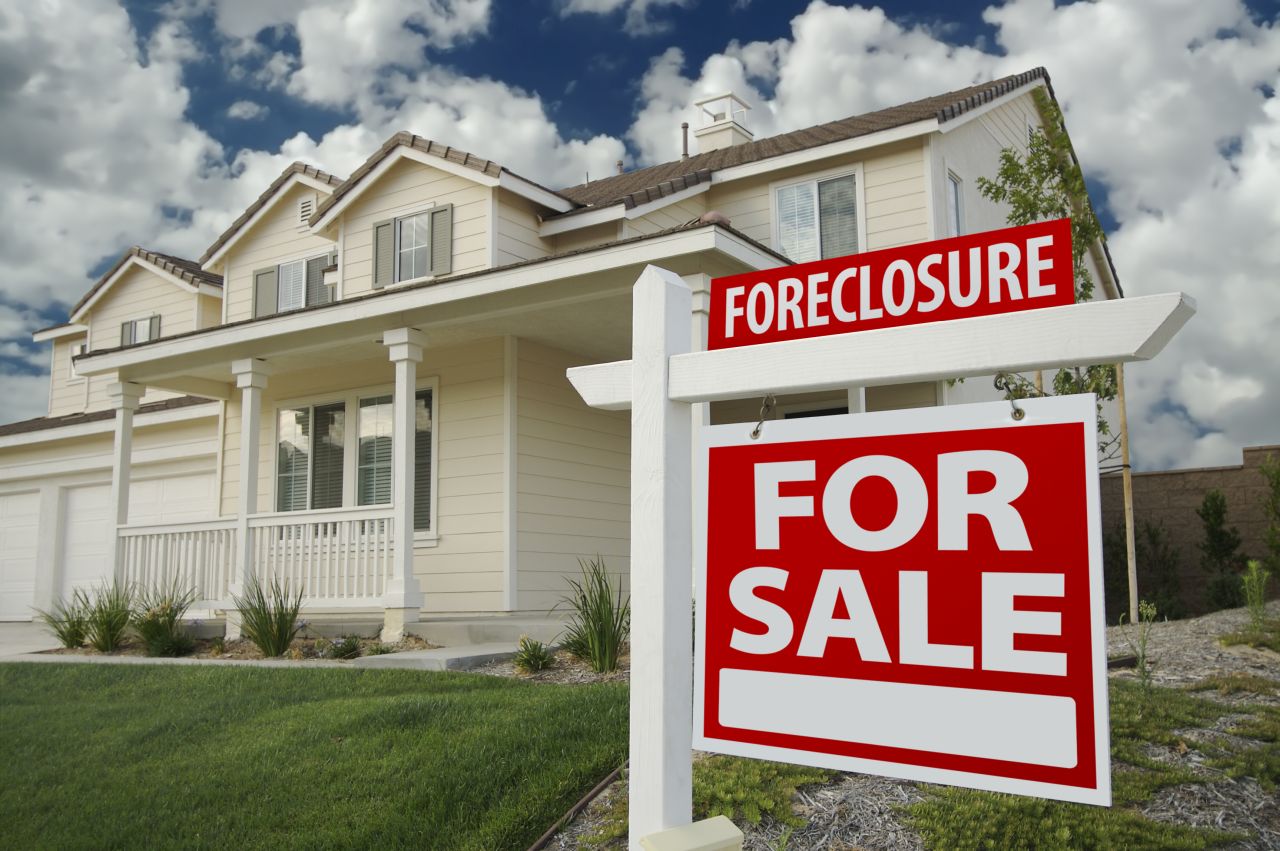
Many people who are in the market for a home consider purchasing a foreclosure for various reasons. The two most common motivating factors include getting an inexpensive place to live and purchasing so-called "investment properties" that can be renovated and sold for a nice profit. There's nothing inherently wrong with these concepts, and a good number of buyers do indeed find major bargains.
But like everything else in the world of real estate, there are pros and cons to purchasing a house that is in foreclosure. The best way to approach the question is to look at what it means for a property to be categorized as "foreclosed," and what the most common advantages and disadvantages are when it comes to buying foreclosed properties. Learning how to invest in real estate can be an important tool for any consumer.
What is a Foreclosure?
In the broadest terms, a property becomes a foreclosure when the original owners can no longer make the payments and the bank takes ownership and possession of the home. At that point, buyers aren't dealing with the former owners of the house. They're buying directly from the bank (different than a short sale discussed below).
Banks don't like being in the home-selling business, so they're often anxious to unload whatever houses they are holding in inventory. There are lots of reasons a home can go into foreclosure, but the inability of the original owners to honor the terms of the original note is the most common scenario.
What are the Main Advantages of Buying a Foreclosure?
Foreclosures can be attractive buys for a number of reasons:
Low price: The most common advantage for buyers is a price that could be lower than market value. In some cases, banks are willing to accept offers that are less than you would pay if the home were being sold by its original owners. As far as banks are concerned, the high level goal of selling a home is to recoup their investment. If they can do that, and if there aren't several other buyers bidding the price up, then they're usually glad to get the asset off their books and into your possession through a sale. Prices on foreclosures can be lower than market value.
Title can still be clear: If you are buying an REO from a real estate broker and there is a standard escrow you can often get title insurance on it guaranteeing that the title is free of clouds.
Financing is virtually the same: In many cases, you can still use FHA, VA or conventional financing options to purchase a foreclosure. The only difference is that you're submitting your bid to a bank rather than a person. Expect the bank to make a counter-offer if they aren't happy with your first bid.
Investment opportunities: If you don't plan to live in the house and have the funds for upgrading or repairing it, then a foreclosure can be a smart way to invest in a potentially profitable piece of real estate. Some people have slowly built up a small portfolio of homes for sale by acquiring low-cost foreclosures and having them repaired.
What are the Disadvantages of Buying a Foreclosed Home?
There's a downside to buying foreclosed homes. Here are common disadvantages:
Closing can take a long time: Depending on the reason the home went into foreclosure, it might take you several months to close on the property after you decide to buy it. If you're in a hurry, or need to use the house as your main residence, time may not be on your side.
This is more true with a short sale. A short sale is different from a bank-owned foreclosure because the seller is not the lender in a short sale. The reason that short sales can take a longer amount of time to go through is because in a short sale, the seller needs approval from their lender to sell the property for less than the amount owed on the home. This third-party approval can take time to process.
Condition is usually "as-is": This is the main disadvantage of buying a foreclosed home. The condition is often quite bad and you have to do your best to figure out how much it will cost to bring it up to par. Generally banks selling foreclosures are exempt from providing a buyer with many of the disclosures that you would otherwise get from the prior owner. That means a thorough inspection at the very least. Next, you'll need to hire one or more contractors to give you estimates for repair work. Perhaps the roof needs to be replaced or there are plumbing problems.
You'll need to be approved and have good credit: You need to check with your lender and see if you can get approved for financing on a foreclosure. That typically means you'll need at least "good" credit and perhaps much better than good. Like any real estate deal, do not venture into the foreclosure market until you get a go-ahead from your own lender.
There's a reason it's still on the market: Foreclosed properties that have been up for bids for a may have "hidden problems." Think of it this way: why have so many other potential buyers passed on the chance to buy the house? By far, the most common reason is the condition and the potential cost to repair it.
The Big Picture
The key point to keep in mind is that buying a foreclosed property can be either a very good or very bad financial move. You have to perform your own due diligence and find out what the pros and cons of a specific property are. Are extensive repairs needed? Do you have the funds to bring the house up to a high standard of quality and sell it for a profit, or live in it comfortably? Will your lender approve your application to purchase a foreclosed property? Are you ready to have the home inspected and take care of the necessary repairs? Are there unknown facts about why the property has been on the market, with no buyers, for x number of days?
Be sure to do a thorough analysis and try to get answers to all your questions. One thing that can be of great help is working with a Realtor who specializes in foreclosures. That way, you'll have the added advantage of expert advice every step of the way. What's the bottom line on buying foreclosures? If you take your time, work with a professional and do plenty of research, it's possible to find good deals. But never approach the process if you're in a rush, know nothing about the real estate market or are expecting to guarantee yourself a quick profit.
If you are interested in learning more about the real estate market or becoming a real estate agent so you can invest on your own, call us at 888-768-5285.
Love,
Kartik
|

Referrals are perhaps the most powerful tool you have for building your real estate career. While you can market heavily online and locally, there is nothing more powerful and meaningful than having an Read more...
Referrals are perhaps the most powerful tool you have for building your real estate career. While you can market heavily online and locally, there is nothing more powerful and meaningful than having an existing client recommend you to their friends and family. Consumers trust other consumers in every business. The question is, how do you encourage your clients, then, to recommend your services to others?
Be the Type of Person People Will Want to Recommend
The first step in getting referrals is the most challenging. You have to go above and beyond, exceed expectations, and deliver more than what the client expects. That’s a lot to ask for, of course, but it is what helps people to remember you and want to tell the world about you and what you did for them.
At the very heart of this, you should provide excellent service to your clients:
⦁ Respond to them as soon as possible.
⦁ Find solutions to their concerns.
⦁ Work outside of the normal business hours if they need you to.
⦁ If they are worried about the cost of a repair on a home, set up a quote for them.
⦁ Provide recommendations for service providers they may need within their budget.
There are many simple things you can do to address the needs of your client. Most importantly, listen to them. See what their goals or concerns are and provide solutions.
Ask for the Recommendation
When a transaction is successful, it is always important for you to thank your customers. Yet, that is not enough. Take a few minutes and talk about how important they are to you. Ask that if they have friends or family planning to buy or sell that they take the time to recommend you.
You can also ask for your satisfied clients to also share a review of your services online. While real estate agents may find this to be a bit awkward, most consumers are more than willing to do so when they are happy with the service they received. Send them an email with a link to streamline it. Don’t be shy :) - Link them to your Yelp or other review pages.
Build Relationships in the Community
Whether through the local Chamber of Commerce, city council, religious organizations, or professional associations, the more connections you make, the more opportunities you create for referrals. The key is to get to know people who work or live within your ideal area.
When you got your real estate license, you knew the value of developing networks – it is a key component of learning to market your services. Now, work to build those relationships on an ongoing basis. You don’t necessarily have to donate money to create these opportunities or spend a lot of money on the process. Instead, focus on just getting to know people. Give people the opportunity to say to their friends, “I know a really good Realtor…”
Provide Follow-Up Service
When the home sells or the buyer moves into their home, your job is not done yet. While officially it may be, this is the perfect time to follow-up with the buyer or seller to get more insight and clarity. Perhaps a month later, send them a note. Provide a card with a few recommendations of local restaurants. You can even reach out to those restaurants and small businesses to request a coupon you can offer. You can also just send a bouquet of flowers.
If you want to create more of a personal relationship, connect with your clients with a formal email or even a lunch appointment. Ask them what they thought of the process. What could you have done better? Learn more about what their expectations and needs are going forward. Provide a few business cards, so they can recommend you to their friends.
Keep in Contact with Leads – Even Those That Don’t Buy
Some of the best referrals come months – even a year – after a client has approached you about the prospect of buying or selling a home. This is a big decision for most people. As a result, they need to be able to think about and work out the details of the transaction before they commit to the process.
Be sure to have your new inquiries provide an email so you can send them information about current market conditions, new opportunities that come up, or other services and offers that may help. Emails sent consistently and over a period of time, allow you to remain fresh in the minds of your would-be clients. When it is time for them to do their deal they are more likely to call you.
Give People Something to Remember You By
Another fantastic way to keep your image and name in front of people is by giving branded material away. Whether it is a water bottle they can use for years with your logo on it or a t-shirt, the goal is to keep your brand in front of them long term.
Imagine the client that buys a home from you having a branded hoodie from you – perhaps you gave it to them as a thank you gift. They wear it often. They receive questions about it and can tell their friends and family all about your business as a result. This is a fantastic way to get your clients to keep talking about you long after they purchase a home.
Ready to Get Started?
When you become a Realtor, value every relationship you create. Whether it is in meeting friends of friends or connecting with clients that call your office, you need to build a connection. When you really do connect with these leads, you create long-lasting opportunities for them to remember you and the services you offer. People love to share good things about those they know. You want to be one of the people they talk about in a positive manner.
If you are interested in learning more about a career in real estate and how to get a real estate license, call us at 888 768 5285.
Love,
Kartik
|

The truth is that becoming a real estate agent is a lot easier than becoming a successful one. Taking real estate classes online and passing the real estate exam is the easy part. After you get your Read more...
The truth is that becoming a real estate agent is a lot easier than becoming a successful one. Taking real estate classes online and passing the real estate exam is the easy part. After you get your real estate license, the next step is to get connected with a brokerage and jump into production as quickly as you can.
One way that newer Realtors accelerate their chances of making it in the business is by getting paired up with a mentor. There are many reasons why mentors work and can bend the learning curve for a newer agent. I wanted to share a few of these so you know that you aren’t going to be thrown to the wolves in most real estate offices. You’ll have help in the form of a mentor.
Mentors Increase Your Chances of Actually Staying in the Business
Ask any big broker and they will tell you that the biggest burden they face in their business isn’t actually getting sued by an angry client. It’s actually recruitment and retention. The burnout rate for newer agents is so high that most companies have a stated goal of hiring 5-10 new agents per month because so many new agents don’t end up making it. This in turn means that the broker has to put resources into recruitment leaving them less time to train their newer sales staff. It’s a vicious cycle.
A great mentor can give 1:1 advice to a mentee and help them work through concerns which helps retain great salespeople.
By keeping agent turnover low, the broker can build a strong network of experienced and qualified agents rather than dealing with the constant task of recruiting newer agents to replace the ones that leave.
Time Savings for The Broker
Imagine large real estate brokerages. I define a “large” real estate company as one with at least 100 agents. There is really no effective way that one man or woman can be there to answer questions, coach and train a staff that large and do it consistently.
For this reason, a well thought out mentorship program is an easy way to save the broker time and hassle. By leveraging mentors, newer agents with questions can look to their mentor for help as opposed to hunting down an already stretched-too-thin broker/owner. This frees the broker up to only answer those high-level questions that stump even the best of mentors.
Additionally, mentors also play a vital role in reducing the “on-the-job” training necessary for newer agents working on their first escrow. In effect, the mentor can act as a ‘project-based’ sounding board for help on a deal-by-deal basis. This will allow the broker to invest more time working on higher level training rather than putting out deal specific fires.
Mentors Offer Encouragement and Act as a Cheerleader
Great mentors should help us see those things that we would not otherwise recognize. For newer agents this means that their mentor is able to realize what you are capable of achieving and will put you on the track to realize your potential.
This is especially true in the real estate business where there are several ups and downs in the course of a day and that every deal is on life support at some point in the escrow process.
Helping a newer agent manage their emotions and keep their eye on the finish line is a critical aspect of the business.
A great mentor can give a boost to the confidence that a newer agent needs.
Mentors Have Experience That They Can Pass On
Every veteran real estate agent has had a buyer buy from someone else or a seller who didn’t give them the listing. Understanding how to navigate these emotional ups and downs is critical.
A mentor who is transparent about their experience has likely been where you are, and has made the same mistakes you might have made or are about to make.
A good mentor will share their own mistakes, so they aren’t repeated by a newer agent.
Before you get a real estate mentor, I’m guessing that you need to sign up for online real estate classes. Please call me at 888 768 5285 and I would be happy to discuss your career and help you get started in our great business of listing and selling real estate.
Love,
Kartik
|