
Part of becoming a real estate salesperson, the law requires that you work for a broker. In case you are new to the real estate industry, examples of brokers are Keller Williams, Coldwell Banker Read more...
Part of becoming a real estate salesperson, the law requires that you work for a broker. In case you are new to the real estate industry, examples of brokers are Keller Williams, Coldwell Banker and Century 21. It’s important to company to work for - and making the right decision to that end - can absolutely turn into something of an existential question for any new salesperson.
But at the same time, all hope is certainly not lost. By asking yourself a few key questions at the beginning of this process, and by understanding the potential pitfalls you could fall into if you make this decision haphazardly, you'll go a long way towards making the best possible choice in terms of both your career and your future.
Do this company's values line up with my own?
Obviously, the most important question you want to ask yourself before you choose a real estate broker to work for is, in many ways, the most immediate. Does the option you have in front of you line up with your own values? Meaning, is this the type of company you would feel good about working for to begin with?
If you're the type of agent who likes to take a more personal and intimate approach to what you do, obviously you wouldn't want to work for a "real estate mill" who is simply trying to turn over agents as quickly as possible. Likewise, do the social values of the company and its leadership line up with your own?
Making the wrong choice here could get you into some hot water. Don’t fall prey to the broker who claims to give you all the support in the world but then disappears when you actually need help. Make sure that you talk to some other agents at the company who have been there for at least a year and get the scoop on what it’s really like to work there.
What are the opportunities to learn and grow within the organization?
Another important question to consider before you choose a real estate broker to work with has to do not with the position you'll be starting at, but what that job might grow and evolve into over time.
Obviously, the "right answer" here is going to vary in large part depending on the career trajectory you see yourself in. Some people aspire to be a part-time real estate agent - that's it - and they're totally fine sticking with those basic responsibilities for the duration of their career. But others want the opportunity to find a mentor and maybe even start their own team or have ownership in a brokerage. This will likely require that you get in touch with someone who will teach you the "tricks of the trade" and who can help mold you into a far more sophisticated agent than you could ever be on their own.
Which of these two camps you fall into depends on what type of real estate broker you should look for. Again, some leave very little room for growth in the long-term and you may hit your ceiling pretty fast as far as advancement is concerned. Depending on your perspective, that may be okay - but if it isn't, you'll want to find the type of brokerage that actually offers those opportunities.
Why Picking the Right Broker Matters More Than You Realize
Again, all of this matters so much in large part because picking the right broker can absolutely set the tone for the rest of your career. This is especially true if you're a new agent, as you don't really have a standard definition of what "normal" is supposed to look like yet. You don't want to find yourself short-changed right away, or worse yet forced to accept that this is all there is to your career. You want to pick a company with a vision that aligns with your own to help bring that vision into reality. Likewise, being around a group of productive, like-minded people can definitely help put your career on the right track.
But most importantly, starting with what might seem like a better offer initially - and then having to restart with a whole new firm later when you realize that wasn't true - may very well set you back. It's nothing if not costly to switch brokerages, mostly because the broker often makes the agent pay for things like their own business cards, "For Sale" signs and other collateral material.
Therefore, picking the right broker today can help you avoid a lot of major issues and potential career setbacks tomorrow.
Need help picking a broker? Reach out to me and I would be happy to talk through it with you.
Love,
Kartik
|

According to one recent study, the vast majority of all experiences between a services provider and customers still begin in the exact same way: with a search engine. If you needed just a single statistic Read more...
According to one recent study, the vast majority of all experiences between a services provider and customers still begin in the exact same way: with a search engine. If you needed just a single statistic to underline the importance of your online presence as a realtor, let it be that one.
Thanks to the rate at which technology continues to advance, consumers are doing more research before purchases than ever before. They want to collect as much information as possible and weigh all of their options carefully before making the decision to part with their hard-earned money. If they're putting in hours upon hours of careful research before investing in something like a new computer, how much effort do you think is going towards some of the larger purchases they'll ever make like a home?
In short, quite a lot.
This is why it's critical for you to understand that, as a realtor, your online presence is one of the most important elements of your business that you need to keep a careful eye on. This is true for a wide range of different reasons, all of which are worth exploring.
Keep an Eye on Google – How Well Does Your Brand Rank?
As stated, most experiences between you as a realtor and the people you've dedicated yourself to serving are going to begin with a search engine like Google. This means that if you go to Google right now and type in your business' name, you'd better show up as high on the page as you possibly can.
This means not only creating a real estate website or using an online social media platform to showcase yourself, but elevating it above acting as a simple "virtual business card" and into the realm of a helpful online resource that people actually want to use. You need to write blog posts, record videos and offer other helpful content to help people understand why you're someone worth paying attention to in the first place. People have questions and concerns when it comes to buying a home - your website is an opportunity for you to answer them in a way that builds trust and empowers your larger SEO (search engine optimization) efforts at the same time.
Improve Your Reviews on 3rd Party Sites Like Zillow and Yelp
Of course, people aren't just going to take your word for it that you know what you're talking about when it comes to real estate - they want this confirmed from other real people that you've worked with in the past. Reviews on Zillow or even Yelp may also come in handy when servicing new clients.
Use Facebook and Instagram to Make Yourself Available 24/7
It's equally important for you to keep in mind that when it comes to the level of research people are doing ahead of a major purchase like a home, they're not limiting their activities exclusively to "normal working business hours." They're doing research early in the morning and in the middle of the night. They're pouring over options on weekends and at virtually all hours of the day. This means that a successful online presence as a realtor depends on making yourself available 24 hours a day, seven days a week via sites like Facebook and Instagram.
Think about it like this: if someone has a question, they want an answer now. They're not going to wait for you to get back to them - they're going to keep trying until they find someone who will. By giving people the opportunity to contact you anywhere at any time, you're making sure they complete the majority of their customer journey with you.
In the end, traditional word of mouth may still be the best way to secure real estate leads - but that doesn't make an online presence any less important. Still, both of these things are in service of the most important marketing opportunity of all: doing whatever it takes to generate as many satisfied customers as you can.
Love,
Kartik
|
As a first-time home buyer, one of the aspects of the process that people may not be prepared for has to do with the sheer volume of documents that will be required to get qualified for a loan. Of course, Read more...
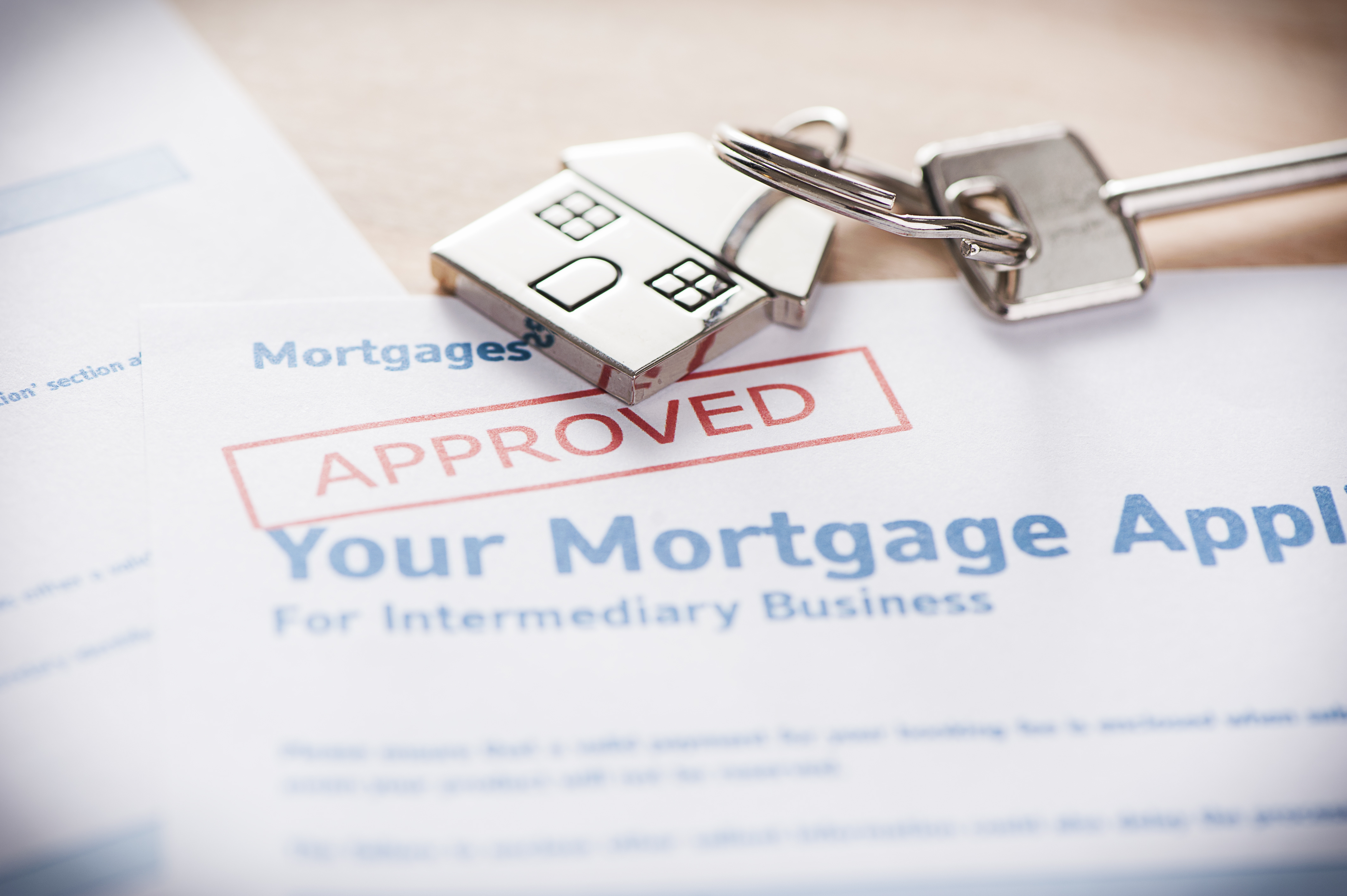
As a first-time home buyer, one of the aspects of the process that people may not be prepared for has to do with the sheer volume of documents that will be required to get qualified for a loan. Of course, it's in their best interest to get these items ready as early on as possible as most sellers expect you to have a pre-approval letter for a mortgage. Having this ready not only shows that they're serious about the process, but it also makes sure that everything goes through without delay.
Not only that, but getting pre-qualified for a mortgage can also act as a useful estimate of how much someone can actually afford to spend on a home - thus making sure that they (and you as their real estate agent) are not focusing their attention on the wrong areas. Thankfully, gathering all of these documents together won't be nearly as difficult as you may be assuming. You just need to keep a few key things in mind along the way.
Proof of Income
By far, the most important document that will be needed to qualify someone for a loan involves some type of proof of income. This will usually require that the buyer produce their W-2 wage statement from the past two years, but recent pay stubs and proof of any additional income (like bonuses) may also be needed. Likewise, buyer's will probably have to produce their most recent two years worth of tax returns.
Proof of Assets
At that point, buyers will have to produce their proof of assets - which will typically involve bank statements and investment account statements to prove that they have the money necessary for any down payments or closing costs.
A Credit Check Containing Your FICO Score
Typically speaking, buyers will also have to have good credit in order to qualify for a loan - which means that they'll need to produce what is necessary to run a credit check. For a conventional loan, this means having a FICO score of at least 620 if not higher. If the buyer will be getting a Federal Housing Administration loan, they can usually get by with a score of at least 580.
Employment Verification
Next, buyers will have to provide some type of employment verification as lenders usually only deal with people who have stable employment. In addition to providing pay stubs, a lender will likely call the buyer's employer to verify that they actually work there.
Driver’s License and Social Security
Finally, buyers will have to produce a copy of their driver's license and their Social Security number. In addition to being necessary for running a credit score, this will help make sure that the lender has everything they need to confirm that someone is capable of paying back the type of mortgage they are requesting.
Final Step: Getting a Mortgage Preapproval Letter from the Lender
Once the buyer has all of these documents prepared, their lender will have everything they need to approve a specific loan amount and that will be valid for somewhere between 60 and 90 days. Loan officers will use these documents, along with their own internal systems, to qualify the buyer based on what they've provided and underwriters will be a big part of this process, too.
As a real estate agent, you should always ask buyers if they are pre-qualified for a loan BEFORE putting a lot of work in to help them find a home. If nothing else, this will be a useful indicator of what types of potential homes you should be steering them towards. It will also instantly help you separate the more serious home buyers from people who may just be casually looking, thus freeing up as much of your own time as possible to focus on those matters that really need you.
Love,
Kartik
|

Regardless of the type of business you're running or even the industry that you're operating in, marketing is all about getting the right message in front of the right person at exactly the right time. Read more...
Regardless of the type of business you're running or even the industry that you're operating in, marketing is all about getting the right message in front of the right person at exactly the right time. This is especially true with regards to the real estate industry, where listings need to do everything they can to differentiate themselves from every other house available on the market in an effort to move as quickly as possible.
Once you've put in the hard work of collecting all information about the property you're trying to sell, taking stunning photographs and putting together that perfect listing, you then need to pull out all the stops to make sure that people actually see it. Therefore, if you really want to craft the perfect marketing campaign to make sure your listing moves quickly, there are a number of factors you'll want to take into consideration.
1. Take Full Advantage of the MLS
The first step you should take when marketing a new real estate listing involves using a multiple listing service, also commonly referred to as an MLS, to get the word out about your property. This is a database built by cooperating real estate brokers to provide data about homes for sale in a particular area. This lets agents see each other's listings of properties for sale, commission and agent details, all in the name of connecting buyers to sellers as efficiently as possible.
Important Note: The MLS and Zillow are not equal
Note that an MLS and a site like Zillow are NOT the same thing and should never be treated as such. That's not to say that sites like Zillow won't be effective for getting the word out about your property, because they will be. Buyers can visit Zillow on their own and see great information and pictures of homes currently for sale, all without ever leaving their computer chairs, but also direct them to use www.realtor.com. This provides access to the MLS database on a user side.
2. Get Active on Social Media - Connect with Your Audience
Another important step you'll want to take involves harnessing the full power of social media sites to your advantage. Sites like Facebook, Instagram and even Twitter don't just connect you to countless potential buyers - you can also use social media to target your efforts to specific geographic areas and even towards precise demographics to help get your message in front of as many of the RIGHT potential clients as you can. Be sure to include an overview of the property and as many of your standout photos as possible. Even if someone sees your information on Facebook and isn't ready to buy a home, they may know someone who is - thus allowing them to share the post and get people to contact you as well.
3. Send Emails to Past and Current Clients
Along the same lines, you should also send out email blasts to both current and past clients, as well as to all real estate contacts you've established. Again, you never know who is ready to buy a home and you shouldn't write anybody off at any point. By making people aware of the property, you could end up motivating someone who was "thinking of maybe moving in the next year or so" to get excited about doing so sooner rather than later.
4. Send Postcards to Your Real Estate Farm
Finally, be sure to send postcards to farm the area to drum up as much attention for the listing as possible. In real estate, farming is when you pick a particular geographic area and establish yourself as the local market authority. By bringing this new listing to everyone's attention, you'll likely increase the chances of selling it as quickly as you can. If nothing else, this is a way to stay in contact with those current and past clients to show them how active you are in their community.
So from that perspective, it's killing two birds with one stone, so to speak. You're not only selling your listing quickly, but you're further cementing yourself as the authority that people in the area can trust.
Love,
Kartik
|

As a real estate agent, one of your main jobs is to help people navigate through what will undoubtedly be one of the biggest financial transactions of their life: buying a new home. But keep in mind that Read more...
As a real estate agent, one of your main jobs is to help people navigate through what will undoubtedly be one of the biggest financial transactions of their life: buying a new home. But keep in mind that you need to approach this in more than just a literal sense. Yes, the "nuts and bolts" process of buying a home is as difficult as it is time consuming, so people are going to need someone they trust (read: you) to help make sure that everything proceeds exactly as it should.
But there are a lot of agents out there who can help people BUY a house. They're also going to need your assistance in terms of FINDING that perfect house to begin with. They don't just want any old house - they want "the one" that is everything they've been searching for and then some. Therefore, in an effort to help your clients choose that home of their dreams and walk away as satisfied with the process as they'd always hoped they would be, there are a few key things you'll want to keep in mind.
Provide Objective, Constructive Insight About the Home
By far, the most critical thing you can offer your clients as they search for a new home involves objective, constructive insight whenever possible. Even if a client walks through the door and is immediately enthusiastic about the property, you still need to make sure that they're thinking clearly.
Help Them Weigh the Pros and Cons of the Home
This means helping them weigh both the pros and the cons. Consider things like the status of the property and even the age and let them know what they might expect five or even ten years down the line. No home is perfect by any means and part of being a homeowner involves dealing with unexpected issues. Use your experience to offer guidance about THIS property in particular and make sure they understand the situation from all angles.
Determine the “Wants” and “Needs” of Their Dream Home
Likewise, go through a checklist of "wants" and "needs" with your clients and see how a particular property aligns with those goals. What are the elements that a client's "absolute perfect" home MUST have? How any of those boxes does this particular property check? What are the odds that they're going to be able to find a home that meets every last qualification on their list? These are the things you need to be thinking about to help someone make the most informed decision possible.
Assess How Your Client is Feeling About the Home
Of course, there are certain questions you need to ask of yourself during this period, too. Chief among them is simply "how is the client feeling right now?" Are they excited to the point where they can't stop thinking about the property? Are they already to the point where they're thinking about furniture placement and they can see themselves building a life in this house? If they are, the chances are high that you might have helped them find "the one." If they're not, you'll likely want to continue your search, at least for awhile.
Consider the Aspect of Time
Finally, you need to consider things from the perspective of time - something there just isn't as much of as people want. How much longer can the client keep looking? What are the current market conditions, and how fast is a property like this one likely to stay on the market? Is inventory high enough where it's even possible to keep looking for a new home indefinitely? Even if someone looks at a home and doesn't consider it to be "the one," can they work with a general contractor and eventually get it to that point one day? This may be what you need to recommend if this property is likely to move fast.
While it's possible to follow all of the best practices outlined above and STILL not locate "the one," doing so will still put you in an excellent position to offer as much value to your clients as possible and help them get over the house that got away. That's not just how you help someone buy the home of their dreams - it's also how you turn them into a loyal, lifelong client who will continue to return to you for years to come.
Love,
Kartik
|

The ongoing COVID-19 pandemic has changed just about every industry you can think of dramatically over the last year, but that's especially true in the world of real estate.
Gone are the days where Read more...
The ongoing COVID-19 pandemic has changed just about every industry you can think of dramatically over the last year, but that's especially true in the world of real estate.
Gone are the days where you could comfortably hold massive open houses on a Saturday or Sunday afternoon, gathering everyone together in a confined space to try to drum up as much attention as possible. Thanks to COVID-19, you'd be hard pressed to find anyone enthusiastic about drawing that many people together - to the point where some might not feel comfortable stepping into a stranger's home at all.
However, all hope is not lost. As savvy real estate professionals have shown, it is entirely possible to manage a successful listing during COVID-19. You just have to keep a few key things in mind to help people stay as safe as possible before, during and after the period in which your listing goes live.
Be Prepared and Purchase Personal Protection Products: Hand Sanitizer, Face Masks and More
At a bare minimum, real estate agents should purchase general hygiene and other personal protection products when both pulling together the information needed for a listing, as well as when showing off the home at a later date.
This means bringing along hand sanitizer with at least 60% alcohol, for example. Likewise, face masks and other coverings should be worn for all in-person activities. Experts also agree that you should bring along plastic bags for the disposal of all personal protective equipment and related items that you have brought onto a property.
Best Practices to Follow if an Inspection is Needed
When it comes to the listing appointments themselves, keep in mind that any initial listing interviews need to take place remotely for the foreseeable future. If any type of inspection needs to be done of the property to guarantee accurate pricing or to assess safety issues, you should keep all of the following best practices in mind:
Limit the number of people who will be present for the in-person listing appointment as much as possible. Generally speaking, there should be no more than three people: the agent and the two parties involved in the sale of the home, if applicable.
Anyone who lives in the home but who is not directly related to the sale should be asked to leave until the appointment has been completed. If that isn't possible, adequate social distancing rules (staying at least six feet apart at all times) should be followed.
Anyone who is going to be at the listing appointment should be prepared to complete a verbal health screening prior to it beginning.
All people at the listing appointment need to use hand sanitizer and wear face masks.
How to Hold an Open House During COVID-19
With regards to actually showing off the property to potential buyers once the listing has gone live, it is recommended that you encourage the use of virtual showings whenever possible. Yes, this is a significant change from the way things are typically done. But to look on the bright side, virtual showings could attract the attention of a wider range of potential buyers who may not have otherwise been able to see the property. This is especially true for any buyer who may be out of state but who can't travel right now for obvious reasons.
Finally, all showings must be held by appointment only and you should schedule at least 30 minutes in between showings for proper sanitization of the environment.
If possible, you may want to consider limiting potential showings to only people who have been pre-approved by a mortgage lender. Or, you could do so for people who demonstrate that they have the money and/or financing available to actually buy the property. Doing so isn't just a great way to maximize the use of your time - it can also help significantly cut down on the risk by making sure that you're only showing to people who are actually interested buyers in the first place.
Love,
Kartik
|

As a real estate agent, the importance of keeping in contact with your past clients is something that simply cannot be overstated. On the one hand, if you've just put someone in a new home that they're Read more...
As a real estate agent, the importance of keeping in contact with your past clients is something that simply cannot be overstated. On the one hand, if you've just put someone in a new home that they're overwhelmingly enthusiastic about, you may be asking yourself "what's the point?"
Why Staying in Touch with Real Estate Clients is So Important
The point is, unless they've told you that they are 100% confident that this is their "forever home," they're eventually going to move again one day or even purchase income property. By staying in consistent contact with them over the years, you'll increase the chances that when that day comes, the first person they pick up the phone and call is YOU. Along the same lines, just because THEY aren't looking for a property doesn't mean they don't know someone who is - and with real estate being a word of mouth business, this is one effective way to generate as much of it as you can and a great way to create a real estate referral system.
All of this is to say that keeping your clients for life means staying in contact with them, and email campaigns for your past and current clients are an effective way to accomplish precisely that. Creating the most helpful and effective campaigns, however, requires you to keep a few key things in mind.
How Often Should You Email Your Real Estate Clients
One of the most important things to consider throughout all of this has to do less with the type of emails you're sending and more about how often you're sending them to begin with.
Running these types of email campaigns depends on consistency, but at the same time you don't want to send out messages too often or you run the risk of people tuning out. Typically, be prepared to send a few general updates once a month, or every two months, just to keep people informed as to what is going on in the community around them. This will help you stay at the top of their mind, all while continuing to establish yourself as the local market authority.
4 Email Campaigns You Should Send to Past and Current Clients
1.Reach Out to Your Real Estate Clients During the Holidays or to Celebrate Birthdays
Having said that, there are certain situations where you should break from this consistency and send out messages more frequently. Whenever the holidays come along, for example, you'll absolutely want to check in with everyone and wish them well. If you know that one of your past clients has a birthday coming up, you'll also want to reach out to them with a personal message to show them that you're still thinking of them and paying attention. Any other types of big life events (if you know a past client just welcomed a baby into the world, for example) will absolutely fall under this umbrella.
2. When the Seasons Change, Share Home Décor Tips
If you DON'T have a new listing on the market that you want to show off to people, you can still use these periodic check ins as a way to bring something of value to past clients, too. You could always send out an email message dedicated to nothing but home decor tips, for example - especially as the seasons change and people are thinking of switching up their current look.
3. Share Home Renovation Project Ideas
If you know a certain number of your past clients have been in their homes longer than five years, you could also offer insight on potential renovation projects they may want to participate in. This would have been particularly helpful if you were able to do it at the onset of the COVID-19 pandemic, as people suddenly found themselves stuck indoors with a lot of free time on their hands.
4. Send Delicious Recipes That Pair Well with the Holidays
You could even just send out messages with recipes that people might want to try when they get the chance. Did you sell a lot of homes to first time homebuyers last year? With the holidays here, you could send out a message giving them all the ins and outs of cooking the perfect holiday treats to really "break in" their new home in style.
Remember to Keep in Touch
Regardless, you'll always want to capitalize on any opportunity you have to remind people that you're out there, and these are the types of email campaigns that allow you to do precisely that.
Love,
Kartik
|
To say that the stakes are high when purchasing a home is an understatement.
Not only is any new home purchase one of the turning points in most people's lives, but it also represents an enormous financial Read more...
To say that the stakes are high when purchasing a home is an understatement.
Not only is any new home purchase one of the turning points in most people's lives, but it also represents an enormous financial investment - the likes of which you may never actually make again. One of the most critical parts of this process is also, unfortunately, the one that a lot of people tend to overlook until it's too late:
The home inspection.
Why Buyers Should Never Skip a Home Inspection
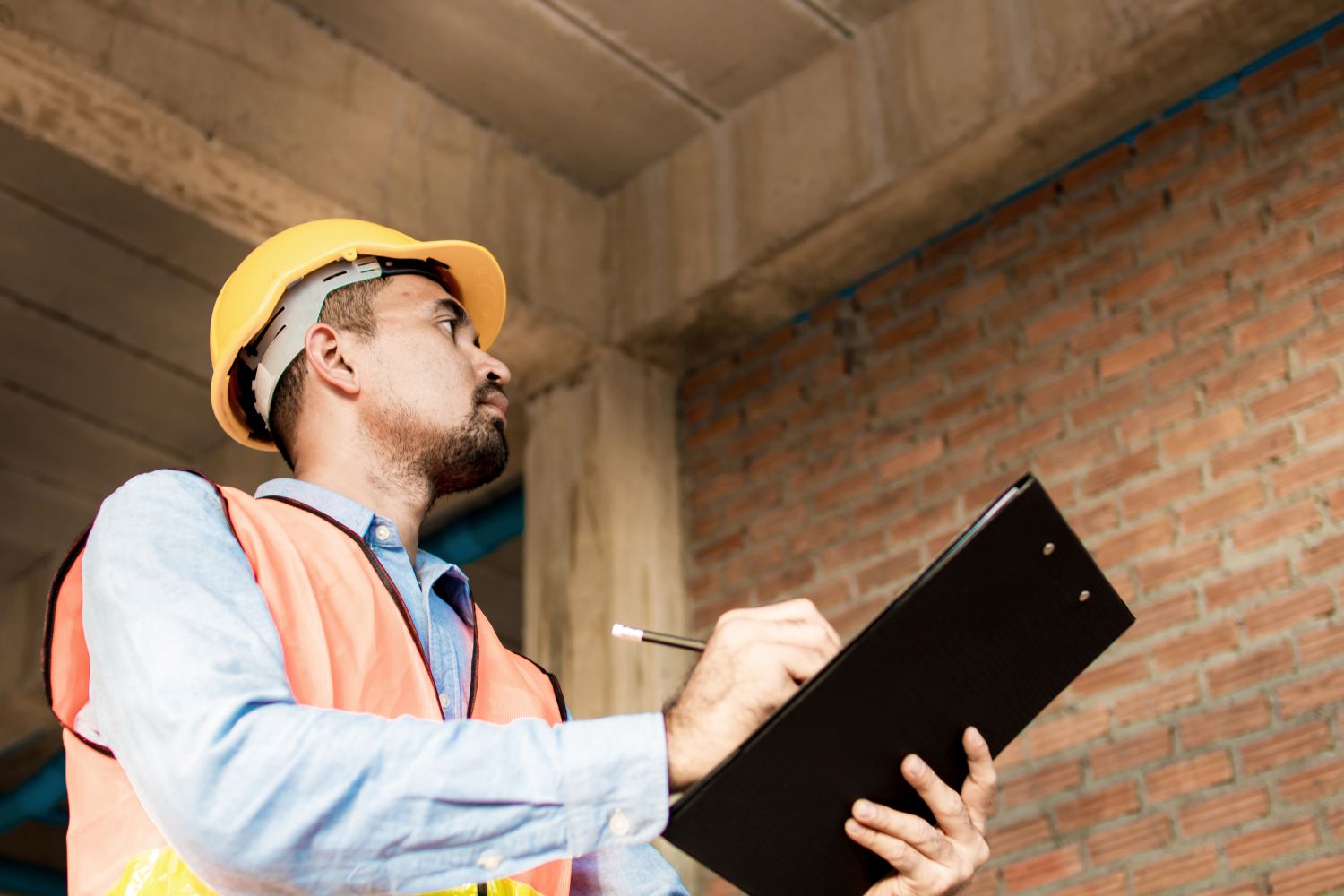
Buying a home is costly, yes, to the point where you may be tempted to capitalize on any opportunity to save a little money where you can. But you shouldn't do so with regards to your home inspection. A good home inspector is worth their weight in gold and the inspection brings an array of benefits that you literally cannot afford to ignore.
Reason 1: It Protects the Buyer by Identifying Potential Safety Issues
By far, one of the biggest reasons why a home inspection is so important comes down to how it can protect the buyer before they move in. A trained home inspector can help detect issues that you won't necessarily see on a simple walk-through, ranging from radon to carbon monoxide problems to mold and more. A home inspector will also be on the lookout for any work that was done on the house without a proper permit, or in a way that wasn't up to code.
For example, this expertise can be critical in terms of the home's electrical system, which should only ever be worked on by a qualified electrician. Just because the lights work or because "the house hasn't burned down yet" doesn't mean you're out of the woods from a safety perspective.
Even if there are no major issues but you still have work that wasn't completed without the proper permits, it could impact the amount you'll pay in insurance, taxes and even your ability to re-sell the house again in the future. All of this is to say that if you needed a single reason to underline the importance of a home inspection, let it be that one.
Reason 2: It Uncovers Costly Repairs in the Future
Of course, the benefits certainly don't stop there. A home inspector can also give you valuable information about the age (and condition) of the home your Realtor might not even have. They'll be able to take a closer look at things like plumbing, your HVAC system and more - all so that you can get a better idea of how much (and when) you'll have to pay for upgrades in the future.
Reason 3: It Can Be Used as a Negotiation Tool
On that point, this can also be a particularly useful negotiating tool before the sale itself goes through. If a home inspector tells you that the heating and cooling system needs to be replaced and it'll cost an estimated $3,000, you could potentially have your real estate agent negotiate to have the seller take care of it (or, conversely, have them drop the price or credit you by that same amount to get the sale completed faster).
Reason 4: The Inspector Can Give Valuable Homeowner Advice
Your home inspector should also be able to suggest specific, actionable tips for how to maintain your home as well - which itself could save you thousands of dollars over the lifetime of your ownership.
Additional Considerations About Your Home Inspection
One thing to keep in mind, however, is that home inspectors in the state of California aren't actually licensed by the state - meaning that anyone can start their own home inspection business without any type of regulatory oversight to speak of. Therefore, you should do your research before deciding on a home inspector to go with.
In the end, a new home is one of the most important investments you'll ever make - and that investment deserves to be protected. Getting a home inspection is a great way to accomplish precisely that, all while giving you enough actionable information necessary to make smarter and more informed decisions through the purchasing process.
Love,
Kartik
|

Without a doubt, real estate is primarily a sales-driven job. Regardless of how skilled a particular agent happens to be, getting objections from both buyers and sellers is a common part in the daily life Read more...
Without a doubt, real estate is primarily a sales-driven job. Regardless of how skilled a particular agent happens to be, getting objections from both buyers and sellers is a common part in the daily life of a Realtor . Sometimes they'll be completely legitimate concerns and it's part of your job to ease the client’s mind. On the other hand, on occasion there are instances where the client may be acting more out of emotion and not reason, and you'll need to figure out how to deal with those types of situations, too.
How to Handle Common Real Estate Objections
Still, HOW these objections are handled - and knowing what to say and how to say it - will no doubt lead to more sales moving forward. Therefore, if you want to get better at handling objections from both buyers and sellers, there are a few key things you'll want to keep in mind.
Take the Time to Understand Their Point of View
By far, the most important thing to keep in mind when fielding an objection from anyone is that you need to be proactive about trying to understand someone's position. Don't just think literally about what the objection is - try to go beyond the words and really get a sense of where this is actually coming from.
Buying or selling a home is a major transaction (not to mention a significant moment in someone's life), and that's naturally going to put people on edge. Likewise, some people are simply more risk adverse than others. By really trying to understand someone's position and by getting a better sense of their point of view, it can help focus on exactly what you need to say to move forward with the deal, and how to best present it moving forward.
Be Sure to Validate Their Opinions
Similarly, you'll also want to make sure that the prospect feels validated. Don't simply write off their concern as irrelevant because that's only going to put you farther away from your goal, not closer to it. Even if an objection is coming up simply because of someone's fear of change, that's okay - you can't help that someone feels the way they feel.
As an example I’m writing this six months into the Coronavirus pandemic and prior to a presidential election. Your buyer might want to wait until after the election to make a buying decision. This may or may not be a wise decision but I would dig deeper into their motivation for buying a home. Do they want to get wrapped up into a one year lease and pay a year worth of rent while they “wait it out”. Are they willing to risk interest rates increasing while they try and wrap their minds around the market? Are they willing to risk losing out on their dream home if one is available now?
The major reason why all of this is important is because your ability to handle objections to everyone's satisfaction also helps build trust, an invaluable part of the relationships you're currently navigating. Remember that trusting someone isn't as simple as turning on a light switch - it ultimately takes time and care to build.
Build Trust by Actively Listening
By showing buyers and sellers that you're really listening to them and that you're paying attention to what they have to say, you're naturally in a better position to use trust to overcome the objection. Because at that point, they'll be able to see that you care about their success and that you clearly have their best interest in mind. Most of the time, that's all someone is looking for in the first place and sometimes objections happen when that sense of trust just isn't there yet.
As Always, Remain Positive
Whenever objections come up, try to remind both buyers and sellers of the positive side of what is going on. With rare exception, those positives will far outweigh the negatives and if you can just get them to say focused on those qualities that really matter, the situation will undoubtedly resolve itself and you'll be able to move forward in no-time.
Love,
Kartik
|
One of the most important elements of the real estate process is also, for many people, among the most misunderstood: escrow.
At its core, escrow is simply a legal arrangement in which a third par (typically Read more...
One of the most important elements of the real estate process is also, for many people, among the most misunderstood: escrow.
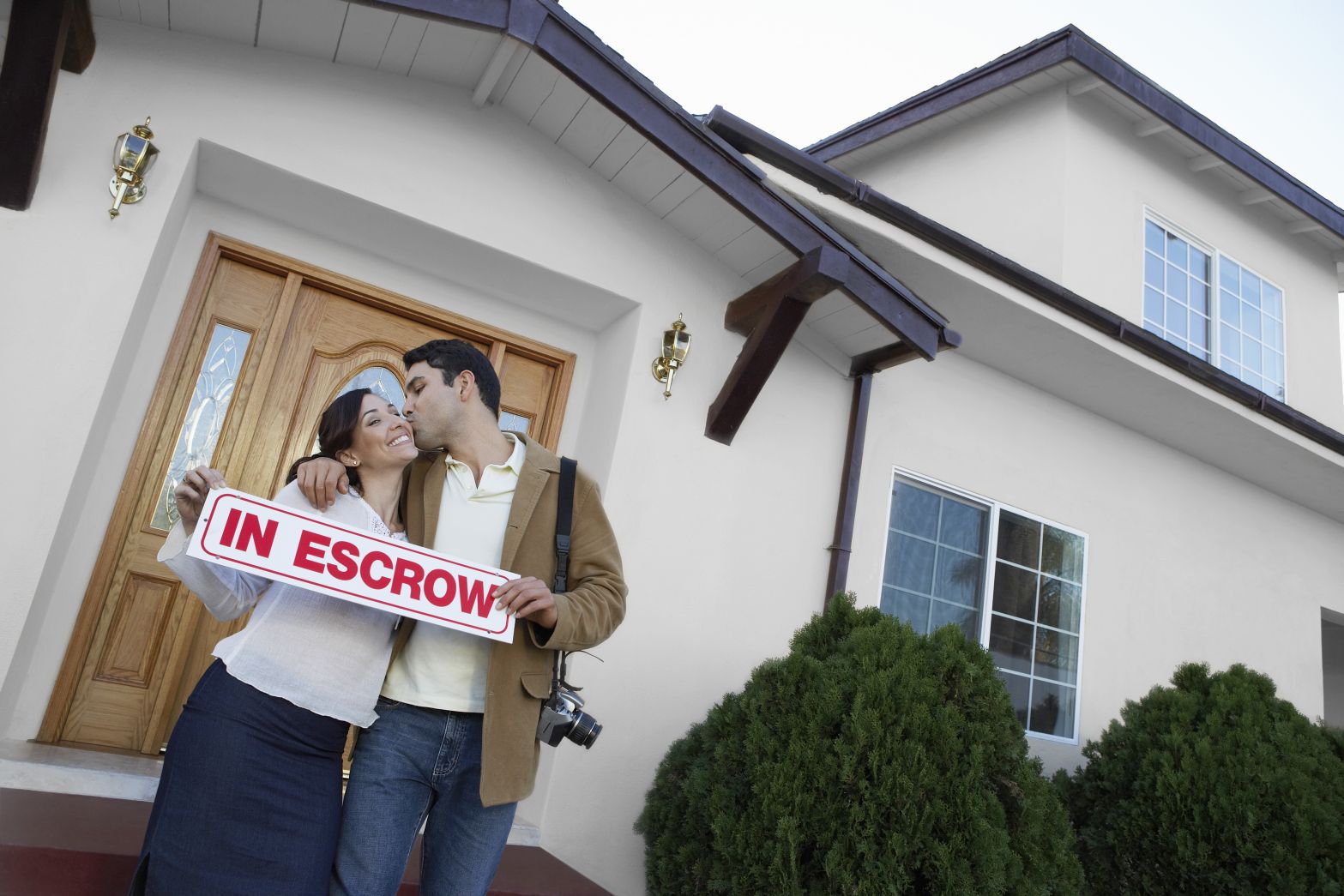
At its core, escrow is simply a legal arrangement in which a third par (typically referred to as an escrow company) temporarily holds a large sum of money or a piece of property until a particular condition has been met.
In other words, if you're about to buy a brand-new home, an escrow company might hold onto some funds until the transaction has been finalized. At that point, the money would move into the hands of the seller and the title into the hands of the buyer and everything would close exactly as it should.
Why Escrow Matters and When Is It Used?
Depending on the transaction, escrow will be used for one of two different reasons. For starters, it's a way to protect the buyer's good faith deposit (also commonly referred to as earnest money) so that the money is guaranteed to go to the seller according to the conditions that have already been laid out for the sale.
Secondly, escrow companies hold onto a homeowner's funds for the purposes of taxes and insurance for a lender and borrower - thus making sure that they actually get paid and that nothing holds up the completion of the transaction for any of the other parties.
Special note: Escrow accounts don't cover ALL of the expenses related to one's impending homeownership. Things like homeowner's association fees, or money needed to pay current utility bills, would not be covered by escrow accounts.
The key thing to understand here is that earnest money is designed to show a seller that a buyer is serious about making a sale. If the contract falls through due to anything having to do with the buyer, like if they suddenly decide to back out at the 11th hour, the seller is supposed to be able to keep that money. If no third-party escrow company was present, it's feared that buyers would try to keep funds that are no longer rightfully theirs.
Likewise, the reverse is true. If the home purchase goes through successfully, that earnest money is supposed to be applied to the buyer's down payment. If that money were just handed over to the seller ahead of time, there is a fear that they might try to find some excuse to keep it.Obviously, this is problematic because of the sheer sum of money that you might be talking about.
Additional Situations When Escrow is Critical to a Real Estate Transaction
Another related concept it's important to understand has to do with what is called an escrow holdback - or a situation where funds are held in escrow beyond the completion of a transaction.
One of the most common reasons why this might happen has to do with a buyer who may find something problematic with the home during a final walk through and home inspection . The seller may agree to fix the issue,but it will take a week or two - thus triggering the hold back and the funds to be held in escrow.
Another situation that may require a holdback is when a buyer agrees that the seller can stay in a home for a longer period of time beyond the closing date. This, too, is quite common as sometimes sellers need additional time to get their new home ready.
Likewise,if you're a buyer in the process of actually building a new home from the ground up, that money will likely remain in escrow not until the completion of the transaction, but until you've had a chance to sign off on all the work.
Remember, Escrow Companies Are There for Your Protection
Regardless, escrow (and by association, escrow companies) are essential in that they protect the best interests of ALL parties involved in a real estate transaction. They are seen as objective third parties with a tremendous amount of responsibility and they're often one of the major reasons why transactions are completed successfully at all.
|